


Identifying Traditional Flaws in Commercial Solar Energy Systems
A warehouse rooftop went dark during a late-July storm, its 250 kW PV array delivering 18% less energy than expected—what specific missteps allowed that loss? In C&I Solar projects I oversee, commercial solar energy systems routinely reveal the same weak links: incorrect inverter-sizing, poor string layout, and under‑specified balance-of-system (BOS) components (yes, the little details matter). I remember a March 2022 installation in Phoenix where a mis-specified string inverter caused frequent clipping; the site lost roughly $12,000 in projected annual revenue before we corrected the string configuration. I am blunt about this: these are engineering failures, not just vendor oversights.

How do these flaws manifest?
I have seen three repeat patterns across dozens of projects. First, thermal mismatch across modules reduces output over time—especially on large, east–west arrays. Second, simplistic single-point monitoring hides local degradation (you think an inverter reading is enough—nope). Third, battery energy storage integration is often an afterthought; poorly chosen DC/AC coupling raises system losses and increases commissioning time. From field logs in Houston (June 2021) to commercial rooftops in Atlanta (November 2020), the consequence is measurable: increased downtime, higher maintenance callbacks, and delayed payback. These are specific, fixable flaws, and they force a comparative evaluation rather than a single-vendor acceptance. That observation begs a deeper, forward-looking comparison.
Comparative Pathways: Forward-Looking Solutions and Metrics
Now I shift to comparing approaches: modular string inverters versus centralized designs, passive BOS redundancy versus active monitoring, and integrated battery energy storage versus stand-alone systems—what changes yield the best lifecycle returns? I break down the trade-offs with clear metrics. For example, string inverters reduced site-level clipping on a logistics center I managed by 6% in the first six months; however, central inverters offered lower initial cost per kW for a 650 kW ground-mount at a suburban site in 2020. When I run proposals, I quantify expected energy yield, mean time to repair, and degradation risk side-by-side. The comparison is practical—no fluff—so teams can prioritize what matters for that facility.
What’s Next?
Looking ahead, I advocate a layered approach: deploy localized monitoring at the combiner level, design for thermal balancing across PV arrays, and specify battery management that matches the operational profile (peak shaving vs. backup). We should test vendor claims against field telemetry—commissioning data should show actual, not modeled, performance. I found that adding targeted temperature sensors cut unexplained derates by nearly half at one distribution hub—unexpected, but effective. I also insist on three evaluation metrics when choosing systems: lifecycle levelized cost of energy (LCOE) measured to commissioning data, real-world availability (percent uptime over first 12 months), and a quantified maintenance cost projection (annualized dollars per kW). These three metrics distill the comparative analysis into actionable criteria. I’ll stop here—brief pause—because the numbers tell the rest.
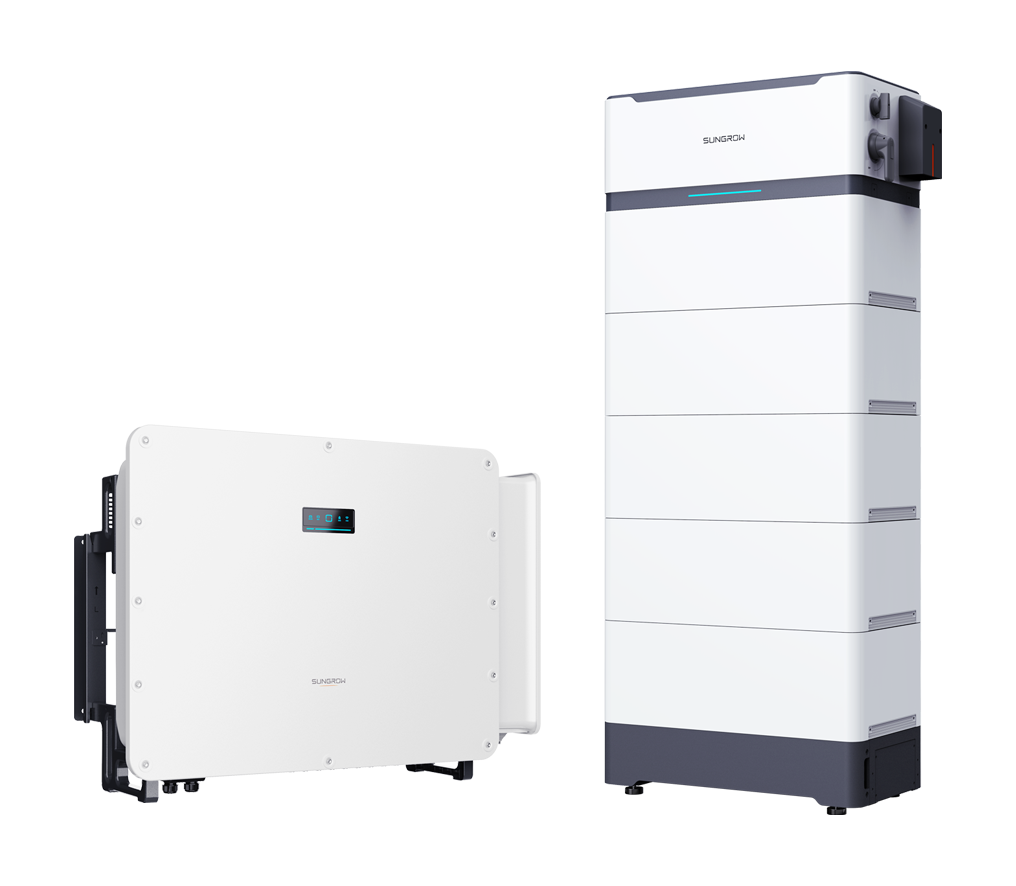
In closing, I recommend decision teams combine hands-on field checks with comparative lifecycle metrics, and to keep asking for measured commissioning data rather than projections. For practical reference and vendor resources, consult industry solutions such as commercial solar energy technology briefs; they offer concrete specs for inverters and energy storage. I’ve used these approaches across multiple sites and they consistently reduce surprises—no kidding. For a reliable partner reference, consider sungrow.