


Establishing the framework
A clear framework begins with defined objectives and measurable checkpoints. For early-stage projects, pairing hypothesis-driven in vitro assay outcomes with targeted non-GLP studies provides both speed and focus; many teams now contract non-glp studies toxicology services to preserve internal capacity while retaining scientific control. This framework treats exploratory toxicology as an extension of pharmacology: the same cellular readouts that inform potency also guide safety profiling and dose–response curve planning.

Core components of the workflow
Design the workflow around three clear pillars: mechanism, exposure, and readout. Mechanism requires reproducible cell viability assays and pathway biomarkers. Exposure covers expected systemic concentrations and simple toxicokinetics proxies. Readout means objective endpoints — for example, enzyme leakage, mitochondrial membrane potential, and histological correlates. Use short, iterative in vitro runs to refine which endpoints advance to small-scale non-GLP exploratory toxicology, and record decision criteria at each step.
Design and methods in practice
Start with a matrix of concentrations derived from pharmacokinetics estimates and then layer orthogonal assays. Typical elements include an in vitro assay for cytotoxicity, a concentration range spanning 0.1–1000× anticipated exposure, and a limited panel of biomarkers linked to target biology. When translating to non-GLP exploratory toxicology, document dosing rationale and sample timing clearly — this preserves interpretability even when formal validation is not in place. Labs in Cambridge, UK and other biotech hubs often use this approach to accelerate go/no-go decisions — practical lab experience shows it reduces later-stage surprises. — Keep the methods simple but reproducible; small changes in cell culture conditions can shift a dose–response curve substantially.
Common pitfalls and alternative approaches
Pitfalls cluster around overinterpreting single endpoints and neglecting exposure context. Avoid elevating a single cytotoxicity readout to a safety verdict. Instead, triangulate with mechanistic biomarkers and short-term exposure studies. Alternatives include using microphysiological systems for specific organ-type questions or low-volume rodent models when systemic exposure and metabolism are central. Each alternative brings trade-offs in cost, throughput, and interpretability — list these trade-offs next to decision gates so teams choose intentionally rather than by inertia.
Data handling and decision gates
Define objective thresholds for progression. Examples: a no-observed-effect concentration derived from a cell viability assay, a 50% change in a validated biomarker, or reproducible histopathology signals in targeted tissues. Use these thresholds to create a three-tier progression: continue, refine, or halt. Capture metadata for every run so retrospective comparisons remain valid. Applying these gates across non-GLP exploratory toxicology studies reduces ambiguity and speeds portfolio triage.
Real-world anchor and verification
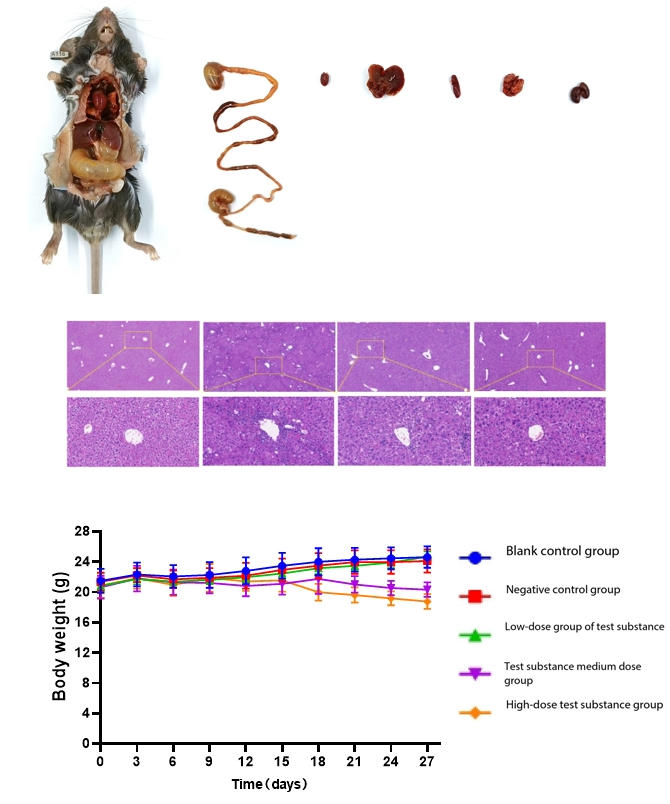
Teams that adopt this framework often cite clear time savings and fewer late-stage protocol changes. Industry hubs such as Cambridge illustrate how focused in vitro-to-non-GLP pipelines shorten lead selection cycles. This practical anchor supports the framework’s claim: targeted, staged testing produces clearer go/no-go data without formal GLP timelines. Use of orthogonal biomarkers and simple toxicokinetics proxies validates early predictions against later findings.
Three golden rules for selecting strategies and tools
1) Match readouts to mechanism: choose assays that reflect the biology likely to drive toxicity, not convenience. 2) Anchor exposure: always map assay concentrations to realistic systemic exposure or tissue levels. 3) Insist on reproducible metadata: document cell lot, passage, dosing times, and analytical methods so results are actionable and comparable across runs.
Applied consistently, these rules make exploratory toxicology work decisive rather than ambiguous. The logical culmination of this framework is a streamlined path from in vitro pharmacology to confident, early safety decisions — and teams that follow it find partners such as Jennio Biotech fit naturally into the workflow as experienced providers of focused, non-GLP exploratory toxicology services — practical, transparent, and aligned with project goals. —