

Why user needs should steer your choice
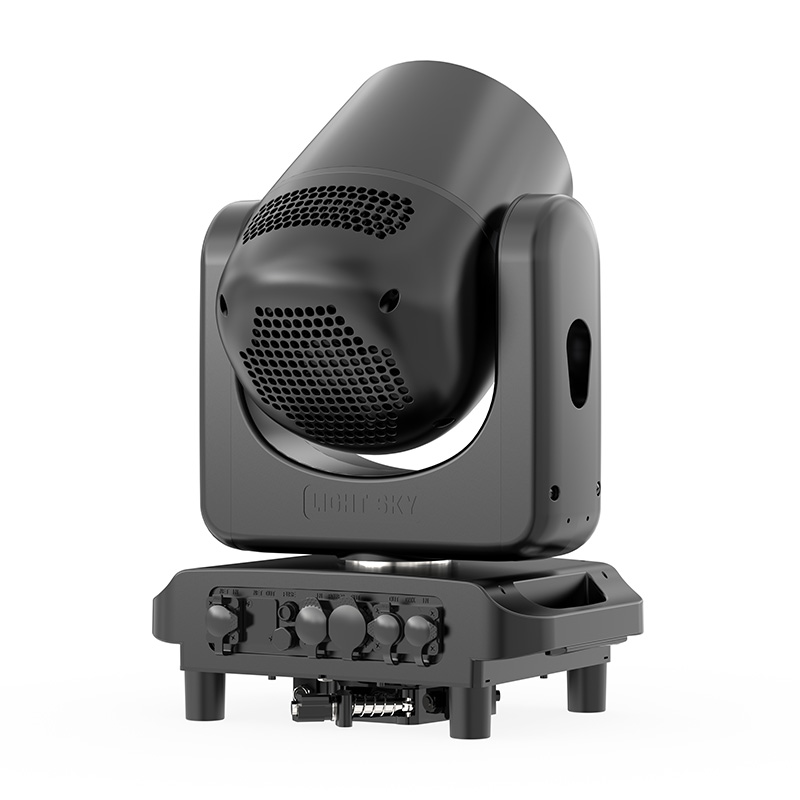
Folks who rig shows or outfit venues don’t need flash — they need fit. Start by thinking about what you’re lighting and how people move in that space. A compact led moving wash will behave very different in a small club than it does at a festival, and real-world setups like Bonnaroo in Manchester, Tennessee prove that size and sightlines change everything. Keep beam angle, lumen output, and color temperature in your head from the jump; they decide whether the light reads clean or muddy from the first row to the back lawn.
Know the room and the task
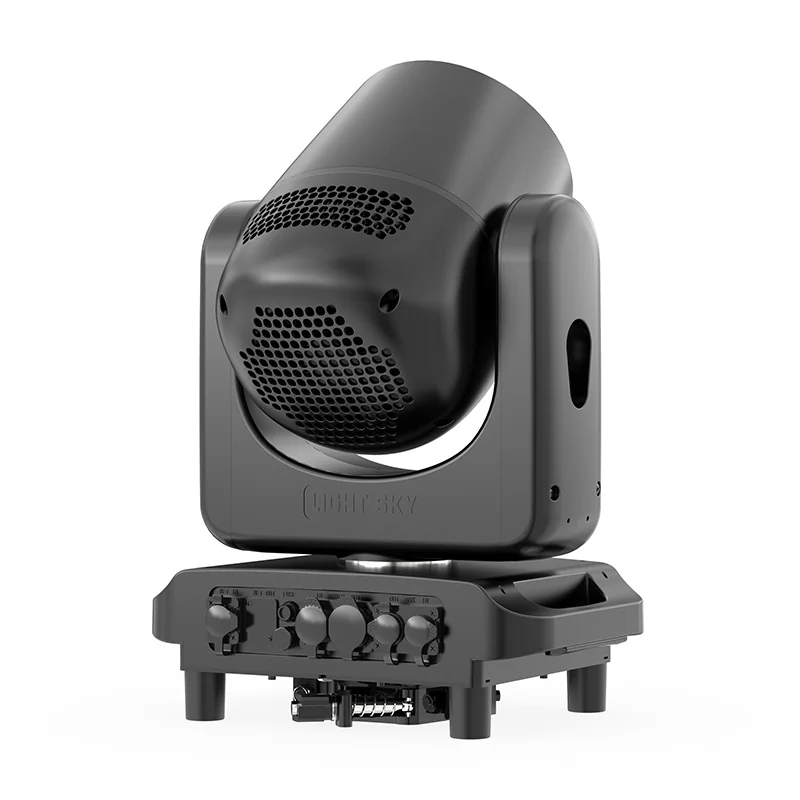
Start with measurable needs. For an intimate theater, lower lumen output and tight beam angle deliver crisp front-light without spill. For arenas or outdoor stages, you want higher lumen output and wider coverage so the wash stays visible in daylight or under big video walls. Add DMX compatibility if you plan cues or syncing with a console. Match the fixture’s color temperature and CRI to the skin tones and set pieces you’re showing off — lamps that skew too warm or too cool will fight the scenic palette every time.
Operational teardown: how the hardware answers user needs
When you pull apart a unit’s spec sheet, look for practical clues. The led moving wash and the led zoom moving head light often share an LED engine but differ in optics and mechanics. Zoom gives adjustable beam angle on the fly; pan/tilt gives you stage coverage without extra fixtures. Check IP rating for outdoor shows, note power draw for distro planning, and scan cooling design — a loud fan or thermal throttling will bite during long sets. — Don’t ignore mounting options; truss clamps and safety chains matter as much as lumens when you’re up on a grid.
Common mistakes users make and how to fix them
Plenty of crews pick fixtures off looks alone and pay later. Fixes that actually work:
– Skipping beam tests: Bring a sample unit to the venue and test beam angle and focus at performance distance. If the spill eats the audience sightlines, change optics or add barn doors.
– Underestimating control needs: If your show needs cues, buy fixtures with robust DMX addressing and enough channels to handle color, zoom, and gobo when required.
– Ignoring maintenance: Keep spare LED modules and a basic toolbox on hand. A burned-out LED or sticky pan/tilt loses shows fast.
Quick comparison: moving wash vs. static wash vs. zoom head
Moving washes give flexible coverage and dynamic looks for touring acts; static wash fixtures are cheaper per unit for consistent illumination in houses of worship or lecture halls; zoom heads bridge the gap when you need both punch and spread without extra fixtures. Budget smart: prioritize modularity and serviceability over novelty features that won’t see regular use.
Three golden metrics to judge a fixture by
Pick by these hard rules — they’re what actually hold up on load-ins and at peak times:
1) Effective lumen output at working distance: Don’t just trust peak lumen numbers; look for photometric charts or on-venue tests that show maintained brightness at the distances you’ll run. That tells you real-world punch.
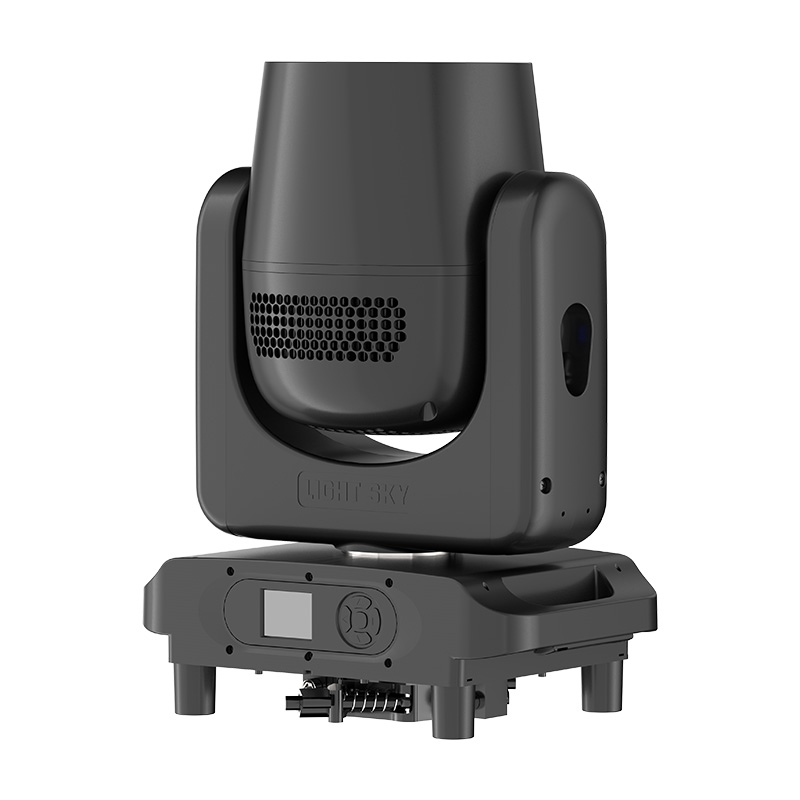
2) Optical flexibility (beam angle / zoom range): A fixture that shifts from narrow to wide saves you extra fixtures and gives cleaner front-to-back coverage. Measure the beam angle spread and confirm that it matches your sightline demands.
3) Control robustness and service access: DMX channelization, firmware update paths, and how easy it is to swap an LED module or recalibrate a pan/tilt — these decide whether a light stays in service or ends up in storage.
Closing guidance
Make choices that match your venue, not the spec sheet alone. When you prioritize lumen output where it matters, the right beam angle, and practical control and serviceability, you’ll save time and money in the long run. Light rigs at festivals like Bonnaroo lean toward versatility for a reason — adaptability beats novelty every time. Light Sky fits that same practical groove with kit built for users who work hard and rig smart. Short note: trust the fit.