

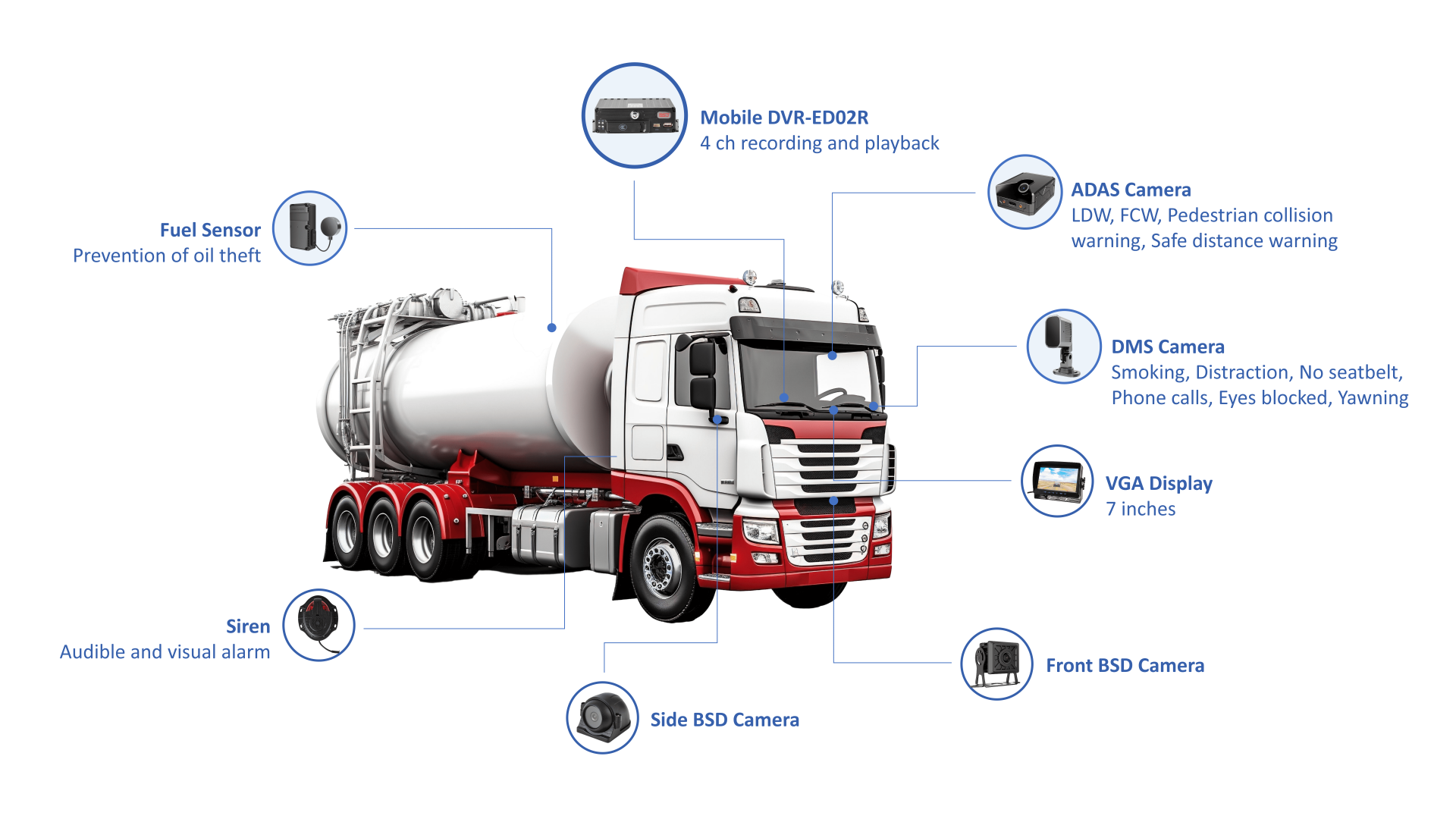
Start with the problem you need to solve
You don’t choose a system because it’s shiny — you choose because it fixes something lah. Are you losing time on manual check-ins? Is fuel burn too high? Or drivers struggling with routes? Begin by listing the top three daily headaches for your operation. If you need vendors, start conversations with reputable fleet telematics technology providers who can show real examples, not slides. Speaking from advising delivery networks and small fleets operating across Singapore, that frontline clarity saves weeks of wasted evaluation.
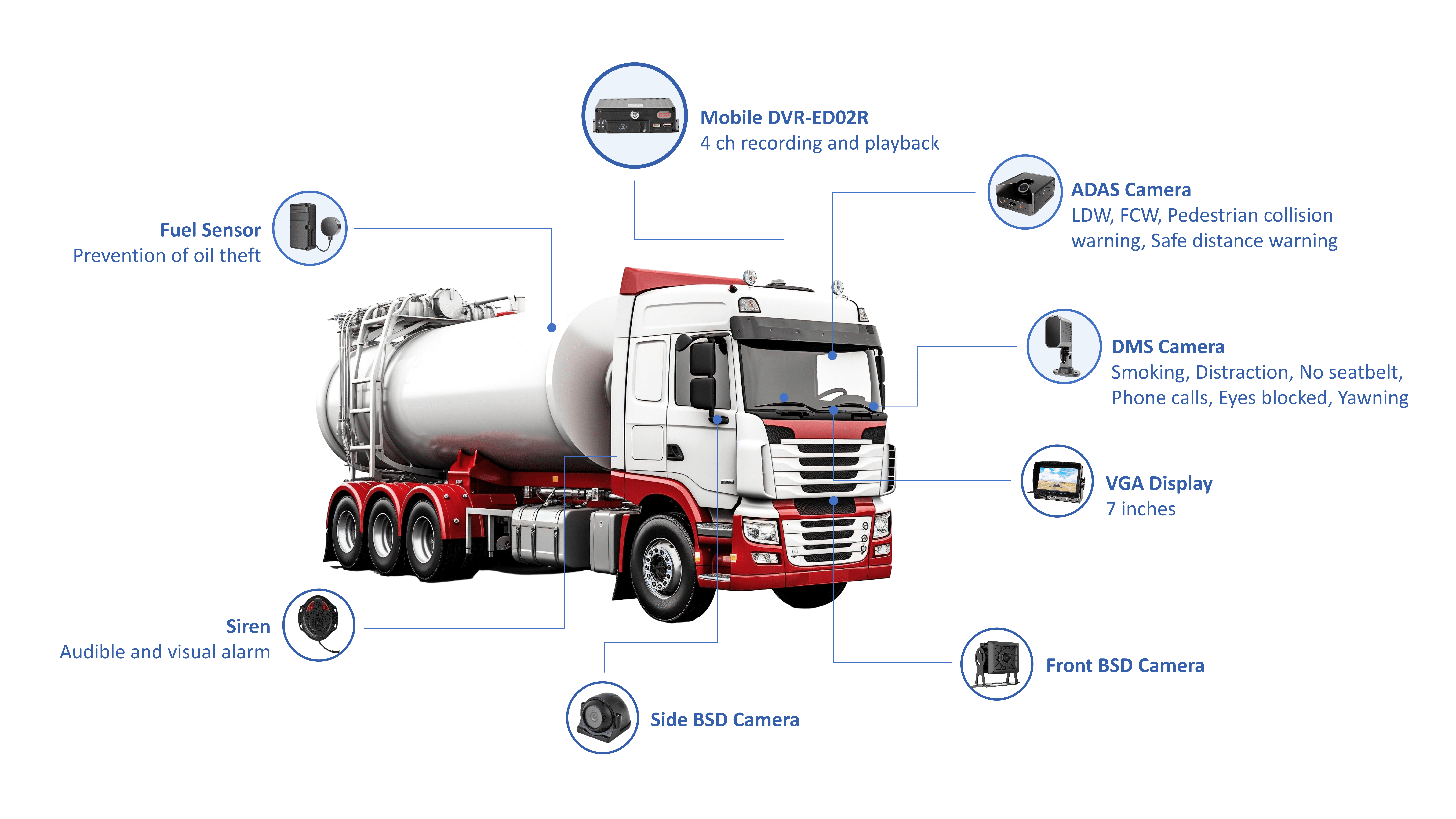
Decide the metrics that matter to you
You must measure what you want to improve. Keep it tight — three to five KPIs. Typical user-centric KPIs:• On-time delivery rate • Average fuel consumption per trip • Idle time per vehicle per day • Maintenance downtime hours Pick the ones that reflect money or customer promise. Don’t be tempted to measure everything; you’ll drown in data and lose focus.
Core features to insist on
Feature lists can be long, but these are the concrete things that actually change operations:• Real-time GPS + accurate location history. • Driver behaviour scoring (hard braking, overspeed) with clear thresholds. • Scheduled maintenance alerts tied to mileage and engine hours. • Route optimisation that allows manual overrides. • Secure data export and simple APIs for your TMS or accounting tools. For the technical backbone, ask specifically about vehicle fleet telematics standards they use and how they handle firmware upgrades — that separates hobby projects from enterprise-grade systems.
Evaluate vendor claims like a user, not a salesperson
Ask for a live demo using your routes or a short pilot with a couple of vehicles. During demos, test these things:• Can you access raw trip logs? If not, it’s probably a black box. • How fast does the system show location changes? You want sub-minute updates for urban runs. • Who owns the telemetry data and how do you retrieve it if you stop the service? • What’s the escalation path when hardware fails at 3am? Real users care about reliability and simple recovery steps. If the vendor’s answers are vague, move on.
Pilot the solution with a clear success definition
Run a paid pilot for 4–8 weeks with a defined acceptance test. Keep it small: 5–10 vehicles for local deliveries or a few long-haul trucks for highway ops. During the pilot, track the chosen KPIs daily and meet weekly to resolve problems. If you don’t see measurable improvement in the agreed KPIs or the system creates more admin work, stop the pilot early and document why.
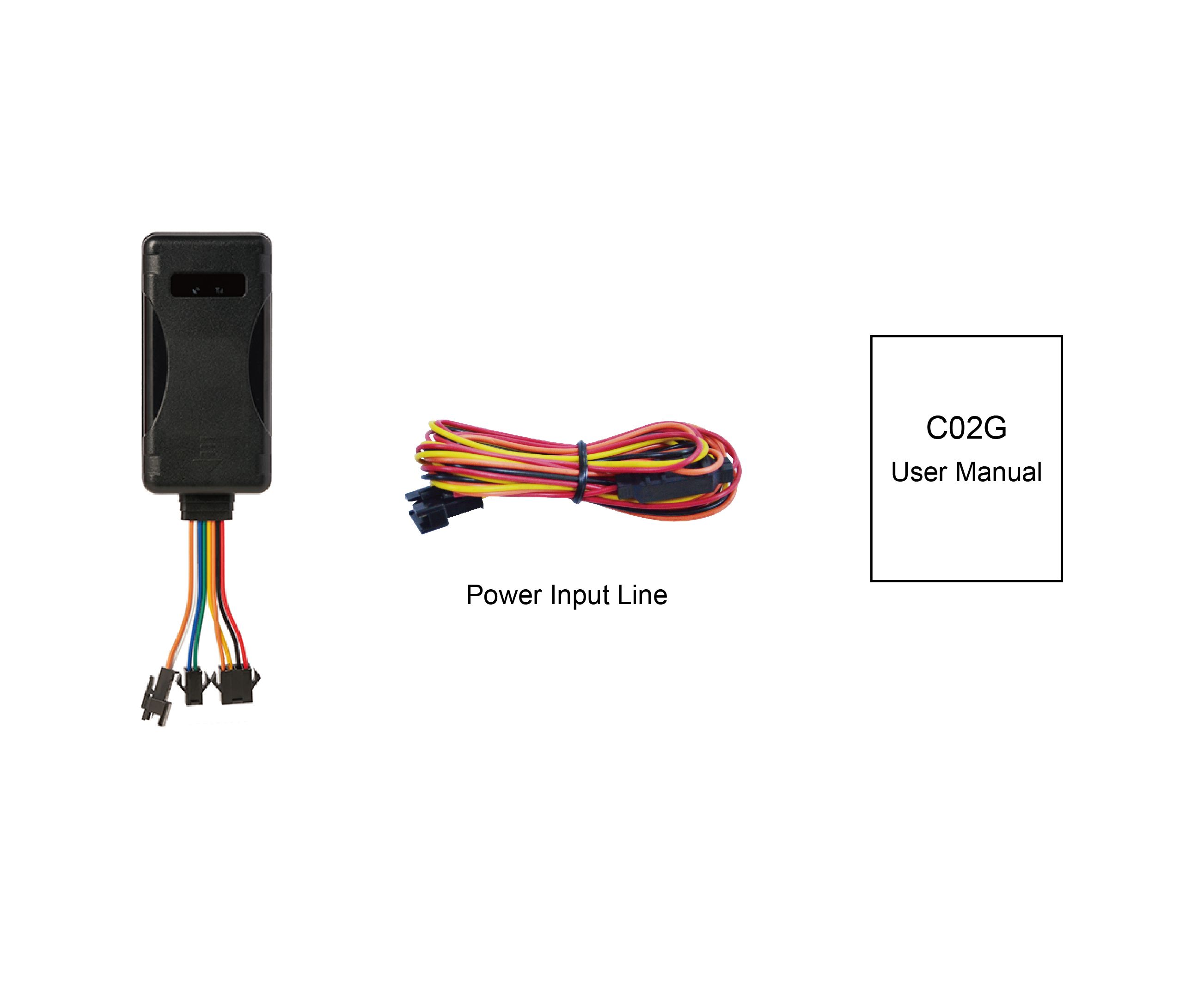
Common mistakes that waste time and money
People often do these — don’t:• Buying a system based on lowest price only. You’ll pay later in downtime. • Choosing shiny dashboards without checking data freshness or exportability. • Ignoring on-the-ground fit: if your drivers can’t use the app easily, adoption fails. • Forgetting firmware and hardware lifecycle: cheap trackers with no upgrade path become liabilities in two years.
Security, compliance and integrations — don’t treat them as optional
Ask about encryption standards, where data is hosted, and the vendor’s approach to software updates. Make sure the system integrates cleanly with your TMS, payroll, or fuel card platform — a working API beats a manual CSV export every time. Confirm who is responsible for driver privacy notices and any local compliance; you must keep customers and staff trust intact.
How to choose between similar vendors
When features look similar, decide by these concrete differences:• Quality of the pilot report and real examples from customers like you. • Speed and clarity of technical support responses. • Roadmap realism — are they promising features next year or next decade? • Pricing transparency: are there hidden costs for maps, SIM data, or firmware? Pick the vendor that answers clearly and shows you how they solved problems for operators, not the one that promises everything.
Final practical checklist before you sign
Do these last checks:• Confirm SLA for uptime and hardware replacement time. • Get written terms about data ownership and export format. • Ensure training materials and a schedule for drivers and dispatchers. • Define a rollback plan if the new system disrupts ops. Simple, direct items like these stop nasty surprises after deployment.
Wrap-up
Make decisions based on the problems you need fixed, not on features that sound impressive. Run a short, measured pilot, insist on data access and clear support, and avoid vague promises. When you want a steady partner who understands telematics and practical operations, you’ll see how pragmatic deployments align with your KPIs — the kind of steady results that teams in Singapore trust BSJ to deliver. Steady lah — pick what fixes the problem first, everything else later.