

Why drilling workflows stall and what to fix first
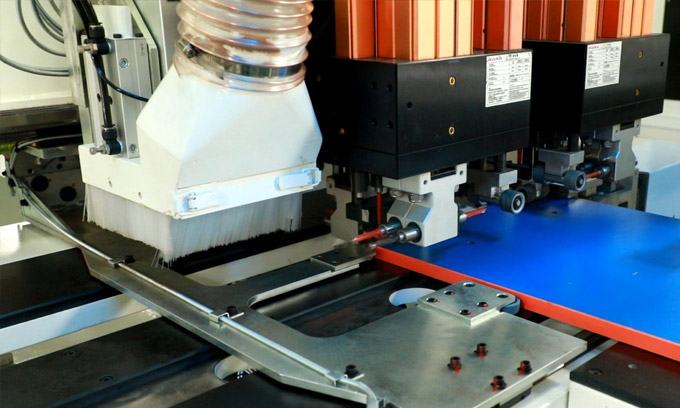
Many small-to-mid-sized plants stall not because their staff lack skill but because the drilling process is fragmented: wrong fixtures, sporadic maintenance, and frequent program edits. Start simple: map one job from raw panel to finished part and note every stop, wait and handoff. When you do that you’ll often find that a single bottleneck — a poorly configured cnc boring machine, a slow changeover, or inconsistent fixturing — creates a cascade of delays. Treat the map as the problem statement you’ll keep returning to while you test changes.
Diagnose with focused measurements
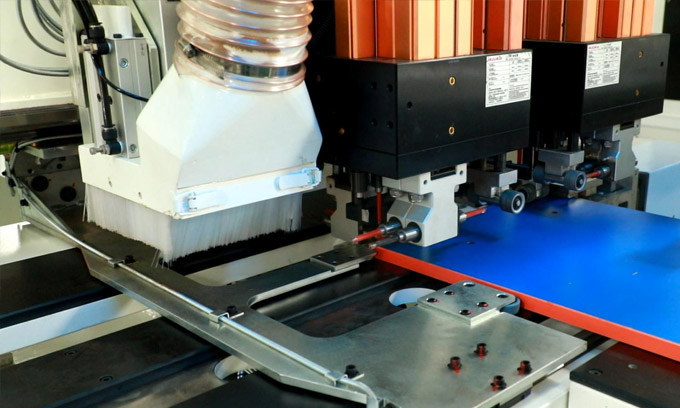
Measure cycle time, setup time, reject rate and downtime for three representative jobs over a week. Use stopwatch observations and controller logs where available. Label each delay with a cause: tooling, program, operator, or mechanical. That simple taxonomy tells you where to invest first. Documenting causes builds credibility with staff and gives you objective targets for improvement.
Machine selection and layout choices that reduce stops
Choose machines by how they eliminate your highest-ranked causes. If changeovers dominate, favour units with quick-change fixtures and larger tool magazines. If indexing and accuracy cause rejects, prioritize rigid frames and verified spindle runout specs. Space layout so finished stacks don’t block operator flow; a compact cell with parts flowing from cutting to drilling to assembly reduces manual handling. Consider whether a dedicated drilling cell or a modular CNC boring line better fits job mix and floor space.
Simple programming and tooling tactics that save minutes
Standardize program templates and store them by job family. Use macros for repetitive hole patterns. Label tools and keep a single reference sheet for feed and speed per material. Implement a rule: no program edits on the production line without a documented test piece. That prevents creeping fixes that later become sources of error. Use hardened dowels or locating pins in jigs to keep positional variance under control.
Maintenance, parts and inspection routines that keep machines running
Preventative maintenance beats crisis repairs. Create a short checklist for daily checks (air pressure, coolant level, chuck wear) and a monthly items list (spindle checks, belt tension, lubrication). Keep a small inventory of critical spares: belts, common cutters, and a spare fixture clamp. Track tool life with simple counters and replace tools before they visibly blunt; consistent cutting geometry reduces rework.
Training and staffing: make competence repeatable
Train operators on the specific machines you run, not just general skills. Run short, documented sessions on setup, basic troubleshooting and the program library. Pair new hires with an experienced operator for at least five complete job cycles. Use written checklists for first-piece approval and handoff — clarity reduces variability and helps you hold improvements steady.
Common pitfalls and realistic alternatives
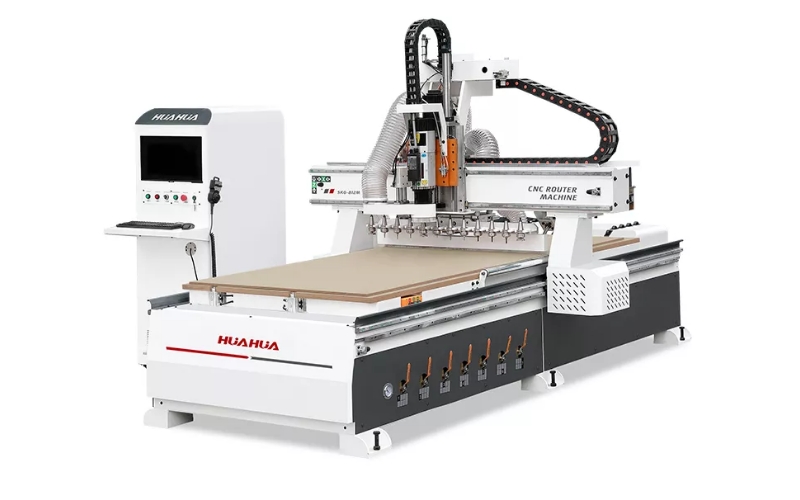
Don’t assume a bigger machine always solves throughput problems; oversized equipment can create underutilized capacity. Beware of over-automation without workforce buy-in — robots and complex feeders need structured maintenance and clear ownership. If budget’s tight, a focused retrofit (better fixtures, a tool changer, faster clamps) often delivers more measurable gains than replacing the whole cell. For plants with diverse short runs, flexible CNC boring machines usually beat single-purpose jigs for total plant throughput.
Industry signal that underlines practical choices
Conversations at major trade events show where the market is heading. For example, vendors at LIGNA highlighted how integrated control and fixture systems reduce setup time for panel processing, and demonstrations often center around the capabilities of an automatic drilling machine. Those demonstrations reflect tried solutions rather than untested ideas, and they help plants pick options that match real shop constraints.
Putting the pieces together
Fix one bottleneck at a time, measure the effect, then lock in the change before moving on. Use clear templates, predictable maintenance and targeted training to keep gains. For many local plants that means pairing well-configured machinery with practical shop rules and ownership of routine tasks — the kind of balanced solution I recommend when helping shops reorganize cells or select equipment like those from HUAHUA CNC. The result is a repeatable, defensible workflow that reduces stops, lowers rejects and makes scheduling reliable.