

Introduction — a quick scenario, some numbers, and the question
Have you ever stood on a shop floor and felt the gap between what the schedule promised and what the machine delivered? For vertical machining center manufacturers, that gap is not just frustrating — it’s measurable. Recent shop-floor audits I reviewed showed throughput variance as high as 38% between “top-performer” lines and the rest (that kind of spread costs real money). What explains such a difference: process settings, operator skill, or the machine’s baseline design?
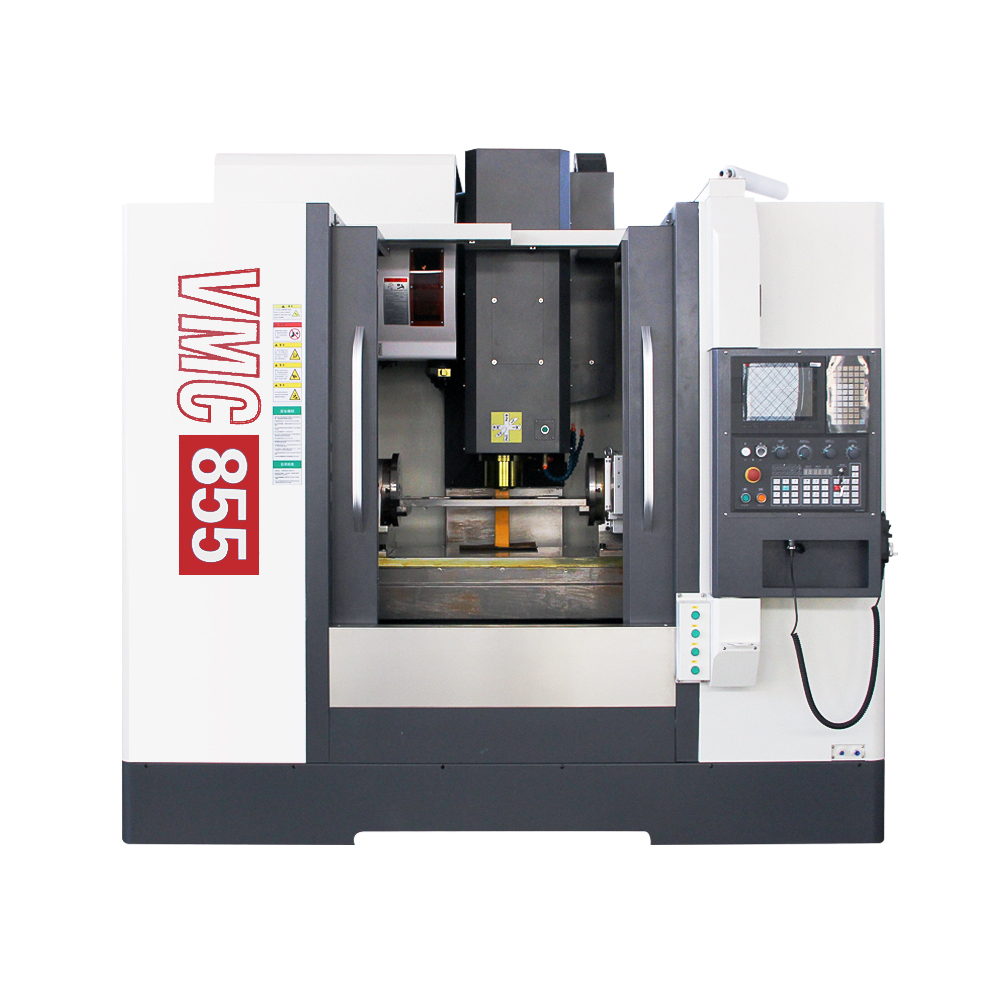
I write as someone who has clocked many hours watching spindle cycles and queue times. I want to be precise: when I say spindle, feed rate, or tool changer, I mean the specific parts of a cutting cycle that drive output and cost. This piece will compare real choices manufacturers make and the consequences of those choices — straightforward, clinical, but with a human eye. Let’s move from the numbers to the root causes.
Part 2 — Where common fixes fall short: hidden pain and flawed traditions
When we look at a vertical cnc machining center, the visible parts are easy to praise: a heavy column, a high-power spindle, a nice controller screen. But beneath that, traditional solutions often miss critical failure modes. Technical tuning tends to focus on isolated specs — faster spindle, tighter tolerance — while ignoring system-level issues like thermal drift, ball screw backlash, or degraded servo motor response. Those are the slow leaks in performance that make a cell miss takt consistently.
Why does this keep happening?
Manufacturers lean on higher RPM or a bigger chip conveyor as the cure-all. Look, it’s simpler than you think: you can pump horsepower at a problem and not fix the root cause. The real pain points live in mixed-program setups, inconsistent fixturing, and controllers that default to conservative feed profiling. G-code can be fine, but if the motion planner and spindle dynamics aren’t in sync, cycle time balloons. I’ve seen a machine rated for high throughput sit idle while crews chase inconsistent cuts — frustrating, and avoidable.
Part 3 — What to adopt next: principles and practical metrics
Now, let’s look forward. I prefer to explain new technology principles rather than sell a silver bullet. Start with closed-loop thinking: monitor the spindle torque, track thermal growth, and feed that data back into adaptive control. Modern CNC controllers can adjust feed rate live when they see chip load rising. That principle — feedforward and feedback combined — reduces scrap and stabilizes cycles. In practice, I’ve watched shops cut setup and cycle variability by double digits after applying these simple control strategies — funny how that works, right?
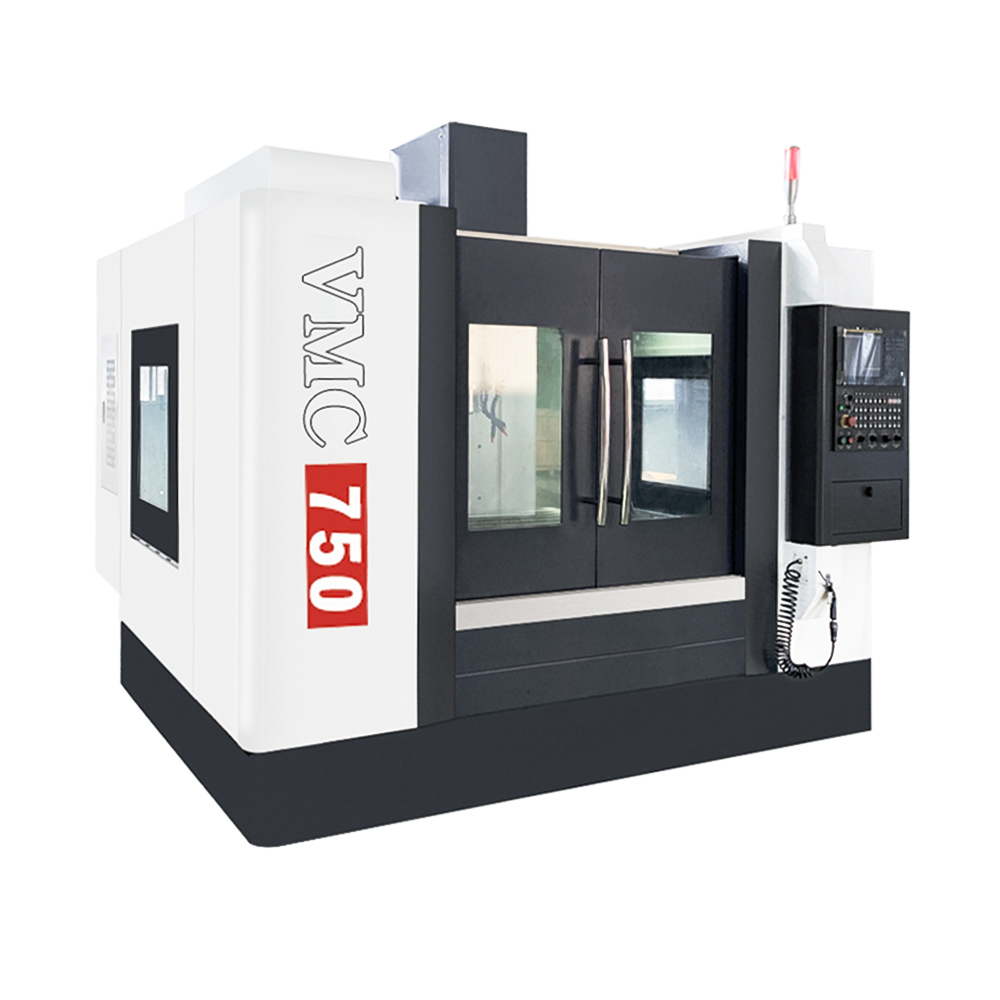
Also, consider the factory scale: a 5 axis vertical machining center factory has different constraints than a single-line job shop. On a large floor, part mix and tool inventory matter more; on a single machine, fixturing and program discipline are king. When you apply new controls, think about where you will see the most leverage. In one case study I tracked, targeted adaptive control plus better tool-life logging cut rework by 22% within three months — not just theory, measurable change.
What to measure going forward?
I’ll finish with three clear evaluation metrics I use when I advise shops — they help you tell real gains from marketing noise:
1) Cycle Consistency: monitor standard deviation of cycle time per part over 30 runs. Lower variance equals predictable output.
2) Process Yield: percent of first-pass parts meeting tolerance. This combines fixturing, tooling, and control quality.
3) Effective Utilization: ratio of cutting time to elapsed machine time, adjusted for planned maintenance. It shows whether your machines are busy with value work or just spinning idly.
I believe these three metrics cut through hype and force pragmatic choices. We must be honest: no single upgrade fixes everything. But if you set clear targets and measure the right things, you’ll see real movement. I’ve advised teams that went from reactive to proactive in months — and the people felt the difference. For practical support and a trusted partner, consider Leichman.