

Why this is urgent
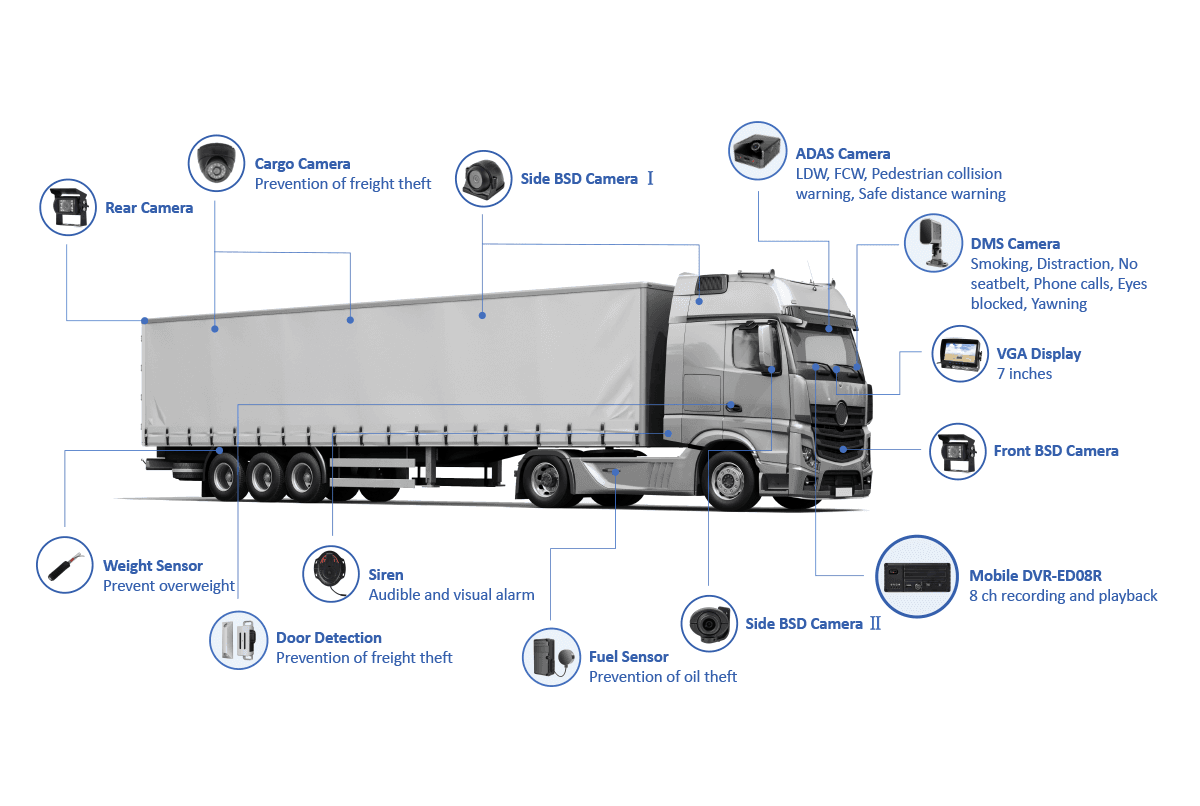
If you’re running a cold chain fleet management operation, one bad link in the telematics chain can mean wasted product, regulator headaches, or worse. During the COVID-19 vaccine distribution push in 2020–2021, teams learned fast that a single telemetry gap or an unlocked device could halt deliveries. This piece walks through the concrete problems teams hit, why they happen, and what to do about them—no fluff, just practical steps you can use today.
The core problems you’re actually facing
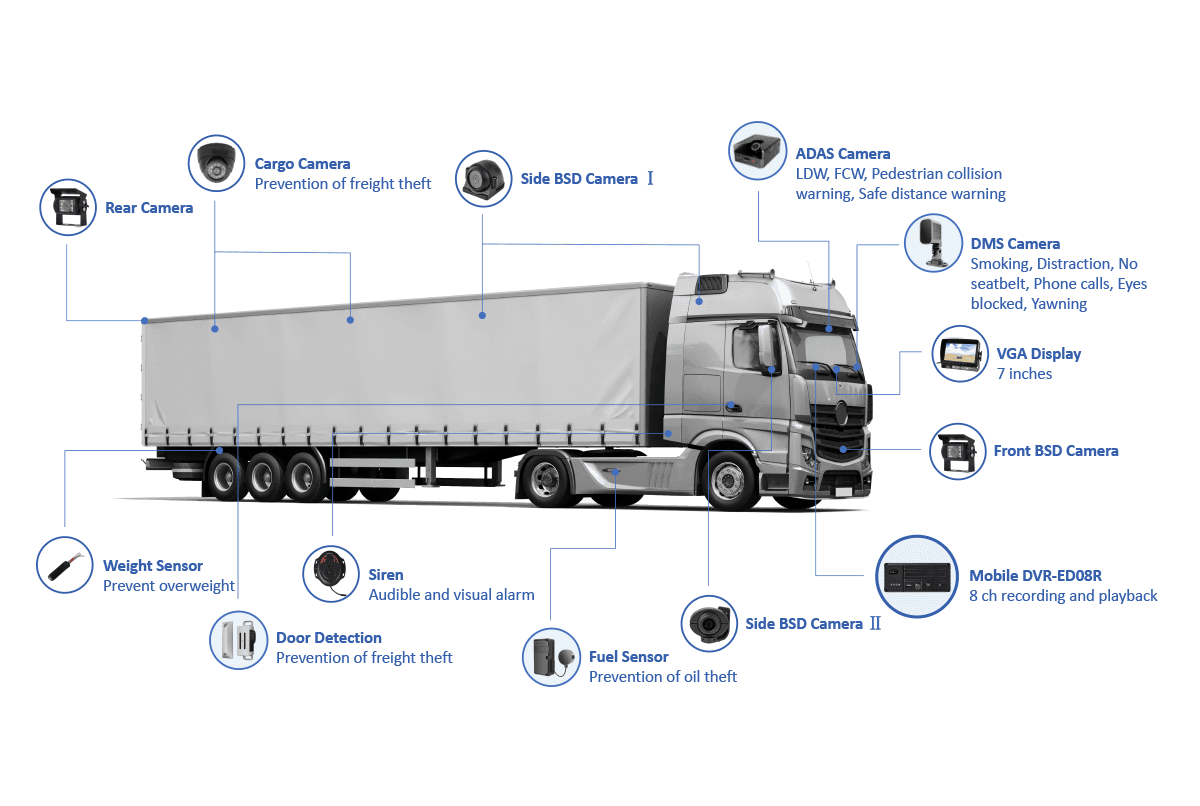
Problems usually fall into three real-world buckets: device-level compromise, data integrity gaps, and poor access control. Device compromise looks like tampered GPS or spoofed temperature readings. Data integrity gaps mean someone notices a suspicious spike but can’t prove whether it’s sensor drift or an attack. Poor access control shows up as too-many admins, shared credentials, or missing audit trails. Those failures cost you time and often product — not hypothetical losses.
Common mistakes teams keep making
– Assuming a basic password or SIM lock is enough.
– Sending telemetry unencrypted while trusting “carrier security.”
– Mixing roles so drivers, operations, and IT all share admin access.
– No secure OTA (over-the-air) process for firmware, so updates become a new attack vector.
– Treating alerts as noise without automated anomaly checks, so real incidents get ignored.
Each of these looks small until a shipment shows up warm or a regulator wants logs you don’t have.

Fast, practical fixes that actually reduce risk
Start with device identity and encryption: provision each telematics unit with a hardware-backed identity and use TLS or DTLS to protect telemetry in transit. Use short-lived tokens and automated rotation instead of static keys. Add edge validation so local controllers can flag impossible temp jumps before data hits the cloud. Enforce role-based access with least privilege and require MFA for any sensitive console. Finally, harden OTA via signed images and staged rollouts so a bad update can’t brick a fleet.
What to ask vendors and how to compare them
Use a tight checklist when you evaluate telematics providers. Key questions: do devices support hardware root-of-trust? Is telemetry encrypted end-to-end? Can you get immutable logs and export them for audits? How granular is RBAC, and are session events logged with tamper-evident timestamps? Also confirm whether the solution integrates native cold chain temperature monitoring so temperature feeds are treated as first-class, auditable data streams. If a vendor dodges any of these, they’re not ready for regulated cold chain work.
Operational pitfalls and mistakes to avoid
Don’t overcentralize alert handling; train local teams to act on trusted edge alerts. Don’t keep long-lived service accounts—rotate and revoke. Don’t assume vendor SLAs cover your regulatory needs; get reporting specifics in writing. And don’t skip realistic failure drills: simulate a device compromise or a telemetry blackout and time how quickly you can prove chain-of-custody. These drills are the difference between shrugging and fixing when it matters.
Quick technical checklist to implement this week
– Provision devices with unique hardware-backed identity.
– Enforce TLS/DTLS and token rotation for telemetry.
– Sign and verify OTA images; use staged rollouts.
– Implement RBAC with MFA and fine-grained permissions.
– Store tamper-evident logs and export capability for audits.
Pick two items from that list and get them live this week—small wins stack up fast.
Why this approach actually works
These steps stop the usual failure modes: they make spoofing harder, give you proof when a shipment goes bad, and let you control who touches what. They’re technical, yes, but also operational—policy plus tech. I’ve seen teams move from reactive firefighting to measurable control by applying these fixes and running simple simulation exercises that expose hidden gaps.
Wrap-up
Cold chain fleets break when identity, integrity, and access are treated as afterthoughts. Fix those three and you shrink the attack surface, lower spoilage, and keep regulators satisfied. If you want a partner that designs systems with those exact controls in mind, BSJ shows how to tie secure telematics into audit-ready cold chain workflows without turning your team inside out.