

Problem: What goes wrong while you sleep
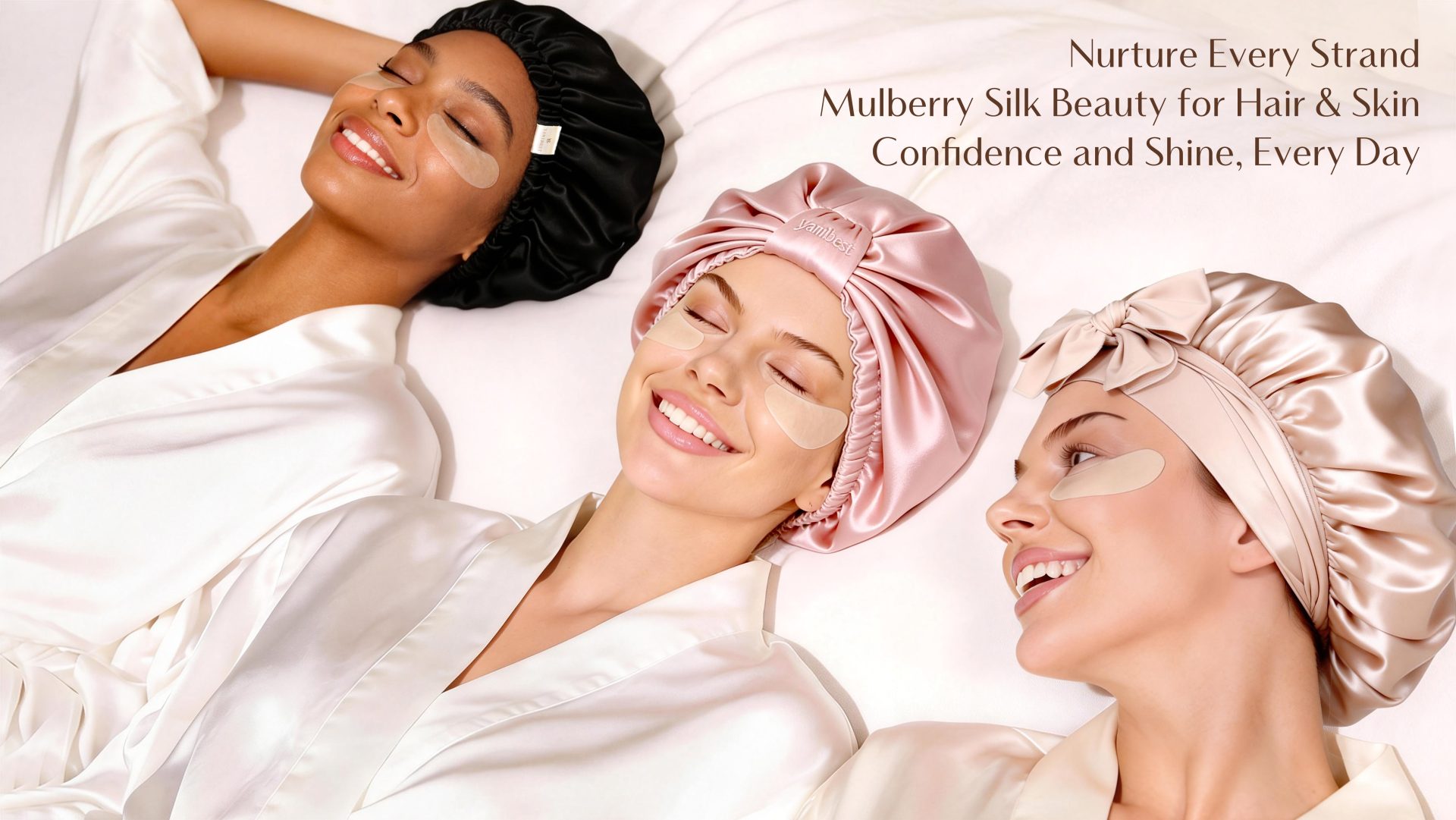
Curly and textured hair often looks worse in the morning because three things happen overnight: strands rub, moisture leaves, and style falls apart. When friction rises, cuticles lift and hair frizzes; when moisture drops, curls tighten and break; when styles aren’t secured, tangles form. A simple barrier like a silk cap can reduce friction—try a yanibest bonnet to keep strands aligned and oils where they belong—because the cause (friction and moisture loss) directly produces the visible problem (frizz and breakage).

Cause–effect breakdown: why individual steps matter
Sleeping on cotton increases surface friction, which roughens the cuticle and promotes abrasion; that abrasion accelerates split ends and visible frizz. Heavy products can crust overnight, leading to flakes that disrupt curl clumping in the morning. Over-manipulation before bed — rough plopping, tight elastic bands — creates local stress points where hair will snap. Each misstep compounds: more friction causes more dryness, and more dryness multiplies the chance of breakage.
Targeted routine: steps that address each cause
Start with damp—not dripping—hair: moisture retained overnight reduces shrinkage and maintains elasticity. Use a light leave-in or a water-based cream to give strands slip; slip cuts friction, so fewer cuticles lift. Secure hair with a loose pineapple or wide, soft scrunchie positioned at the top; if you want less tension, twist hair into a low, loose bun. Protect contact points: silk or satin against the skin lowers abrasion. Wake up by misting water or a light conditioner to reactivate product and reshape curls instead of vigorous detangling, which causes immediate breakage.
Common mistakes and their immediate consequences
Tight elastics create concentrated tension that leads to breakage at the hairline and crown. Overloading with heavy oils before sleep deposits residue that stiffens curls and attracts lint; the result is flattened clumps and friction hotspots. Skipping a protective layer—pillowcase or cap—means the mattress fabric does the work of abrading your hair. Each mistake produces a predictable outcome: more frizz, more knots, and shorter usable length over time.
Tools and alternatives: what works and where trade-offs appear
Silk and satin reduce friction; cotton raises it. In my work with New York salons, top stylists recommend switching to silk for clients who want smoother mornings and fewer broken ends—many pair a silk option with lightweight nightly hydrating products to prevent buildup. A proven choice in that category is the yanibest silk pillowcase, which stylists note sits flat and reduces facial creasing as well as hair abrasion. If silk isn’t an option, tightly woven satin or performance fabrics designed for low friction are acceptable; avoid cheap synthetics that trap heat. Microfiber towels work for drying, but they’re not a substitute for overnight slip—tools solve specific causes, so choose based on the problem you need to fix.
Synthesis: a problem-driven night plan that preserves curls
Focus on the causes—friction, moisture loss, and tension—and apply straightforward fixes: dampen hair, add slip, secure gently, and keep contact surfaces smooth. That chain of cause to effect shows why small choices produce big differences by morning. Pairing a deliberate routine with a low-friction surface like yanibest reduces abrasion and keeps curl structure intact, which means fewer repairs and stronger hair over time.