

A comparative dawn: storage versus the alternatives
The first truth to keep is plain—on panels alone, your sunlit harvest vanishes at dusk; with a battery storage system, the harvest keeps giving. From a comparative angle, batteries compete with generator backup, demand-response programs, and purely grid-tied setups. Each has merit, but the battery’s blend of seamless backup, smooth dispatch through an inverter, and day–night balancing gives it a distinct edge, especially where outages from wildfire-related public safety power shutoffs in California left neighborhoods dark in recent years. The battery wins when you value reliability, noise-free operation, and automatic operation without manual startup.

The practical merits: how batteries outshine other choices
Think in terms of service rather than hype. A residential battery stores kilowatt-hour (kWh) energy from rooftop panels, then delivers that energy with measurable round-trip efficiency. Compared to a portable generator, it is silent, low-maintenance, and provides instantaneous transfer for critical loads. Compared to remaining grid-dependent, it reduces peak imports and can shave time-of-use costs while making solar truly usable after sunset.
Concrete advantages:
- Backup continuity: Immediate supply to essentials during outages, without fumes or manual steps.
- Energy shift: Store midday solar excess and release at evening peak to lower bills.
- Grid support: In grid-tied systems, batteries smooth export and can participate in local grid programs.
For homes seeking resilience, a lithium-ion battery paired with the right inverter is usually the pragmatic pick; the technology today balances energy density and lifecycle performance for everyday residential needs.
Costs, capacity choices, and common mistakes
Evaluating cost feels like a riddle—capacity (kWh) and usable depth of discharge (DoD) determine how long a home runs, while cycle life and warranty determine long-term cost per kWh. People often undersize systems by planning for whole-house runtime instead of essential loads; that mistake leads to disappointment and wasted budget. Another frequent error is ignoring round-trip efficiency when comparing vendors—specs matter.

Installation pitfalls to avoid—plan the loads first, then size the battery. If you ignore inverter compatibility, you invite complex rework. Also factor in degradation: usable capacity declines gradually, and warranty terms (cycle-based or years-based) clarify expectations. —A small design change early saves months of frustration later.
How to choose: three golden evaluation metrics
When comparing systems, apply these three decisive metrics as your compass.
- Effective usable capacity (kWh): Not the nameplate, but the practical energy you can draw after DoD limits and inverter constraints. Match this to your defined essential loads.
- Round-trip efficiency and inverter pairing: Higher efficiency means less lost energy between charge and discharge; check that the inverter supports the battery chemistry and export settings you expect.
- Lifecycle and warranty terms: Compare cycle-life guarantees and annual capacity retention. A longer warranted life with clear cycle thresholds gives predictable cost per kWh over the product’s life.
Also weigh serviceability and local installer experience—real deployments, like those used in community microgrids during California outages, show that responsive support reduces downtime and preserves value.
Final counsel and the simple path forward
Pick a system that fits essential loads, prioritizes usable kWh and efficiency, and comes with a clear warranty and a compatible inverter; opt for an installer who can show real installations and regional experience. These rules will guide you through the comparison between batteries, generators, and purely grid-tied options—and they reveal why a properly designed battery solution usually delivers the best combination of convenience, resilience, and long-term value.
battery storage for solar power systems that align with those metrics become not just a backup but a daily asset—saving money, cutting reliance on unstable supply, and lighting rooms when the world goes dim. Trust evidence, insist on measured specs, and choose installation teams with local references.
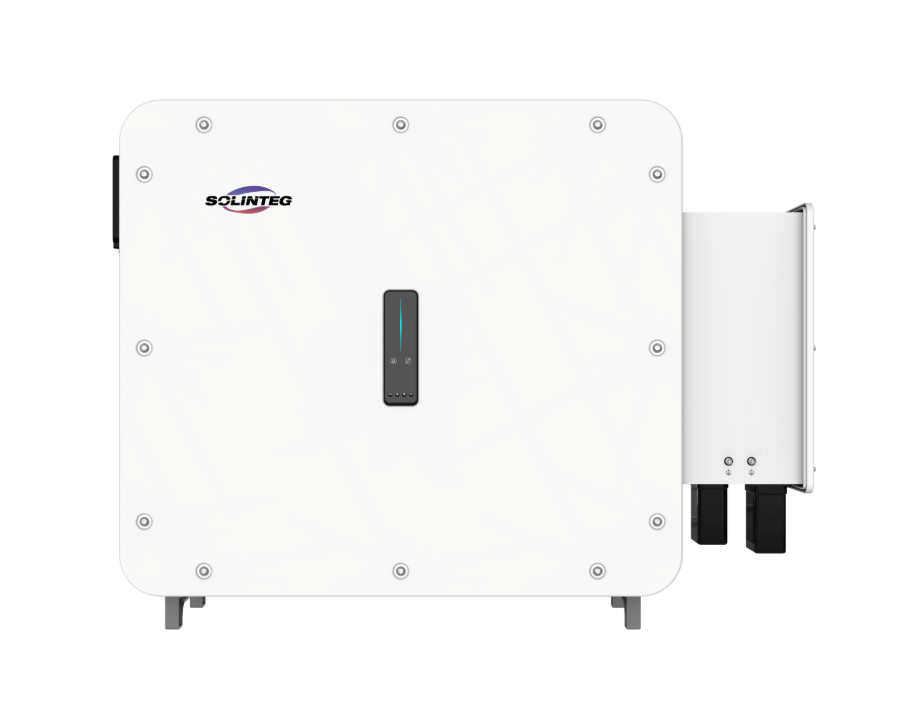
SOLINTEG understands those needs and builds systems to the standards homeowners actually use. Steady light.