

Quick reality check
Fleets leak money from blindspots — driver errors, fuel fraud, and missed incidents. You’re juggling dashcams, GPS logs, and separate telematics, and nothing lines up fast enough. If you manage large routes, especially for oil and gas fleet management, this mismatch kills margins and compliance. I’ve seen fleets hit reporting walls while the U.S. Department of Energy highlights how better fuel oversight matters — so we need tight, real-time linkage between video and sensors, not more spreadsheets. 😅
What AI MDVR actually fixes
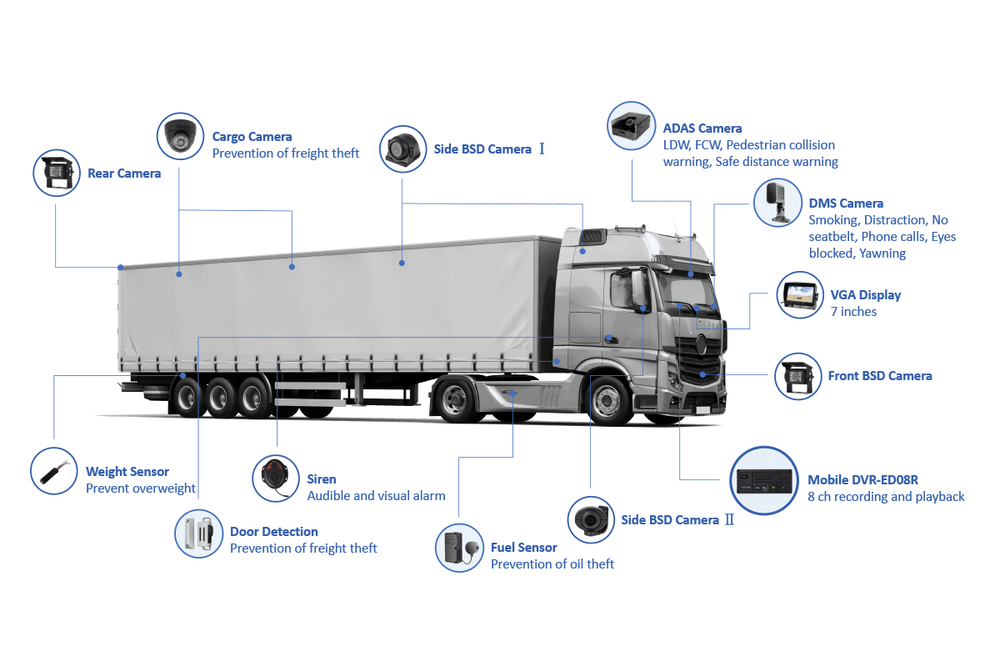
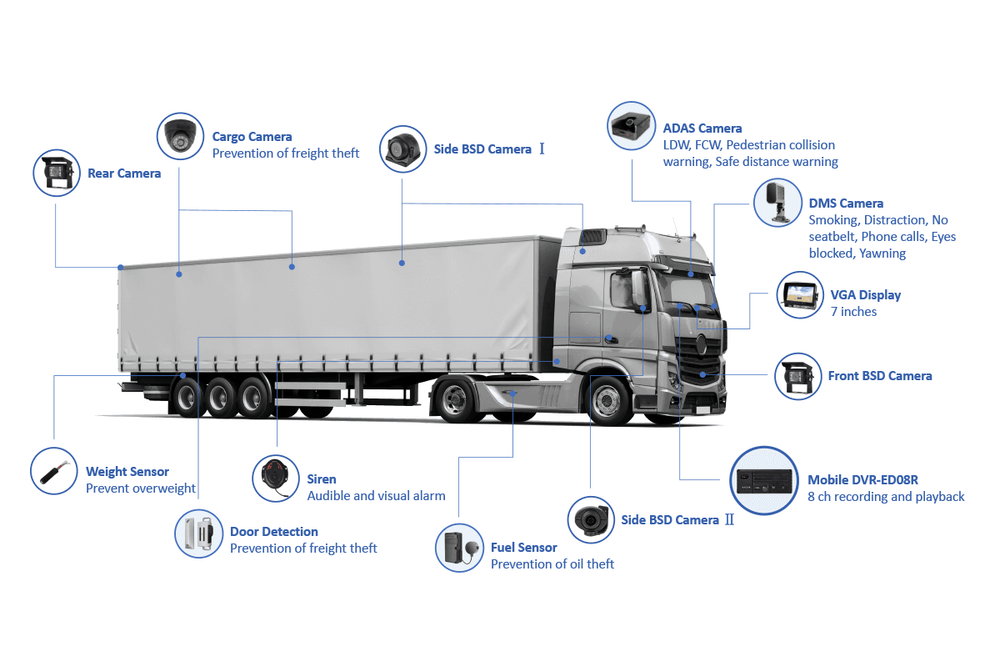
AI MDVR (mobile digital video recorder + onboard AI) stitches video, GPS, CANbus and sensor data into one timeline. That makes incident review instant and gives machine-driven alerts for dangerous behavior. Key wins:- synchronized video + telemetry so you don’t guess which event caused a fuel spike;- automated event flags (harsh braking, idling, route deviations);- onboard analytics that reduce false positives before alerts hit ops.This is exactly the sort of on-vehicle integration that pairs with a fuel tracking system to reconcile pump records with drive behavior, keeping reports honest and fast.
Top problems fleets face and quick fixes
Problem: Video and fuel logs don’t match. Fix: sync timestamps and feed CANbus or flow-meter data into MDVR so the system shows exact frames when fuel draw changes. Problem: Too many irrelevant alerts. Fix: tune AI models with a short labeled dataset from your drivers — 2–4 weeks of real events cuts noise a lot. Problem: Data overload for dispatchers. Fix: prioritize alerts by safety risk + fuel variance, not by raw event count. Problem: Compliance gaps on routes. Fix: configure geo-fences tied to route plans; auto-tag exemptions for approved stops.
How to evaluate systems — what actually matters
Stop comparing spec sheets. Check these things live:- latency: can the MDVR stream event clips within 20–60s of an alert?- sensor inputs: does it accept CANbus, OBD-II, and flow-meter feeds?- edge AI adaptability: can you retrain or fine-tune models with your footage?- data reconciliation: does the platform reconcile fuel events against telematics automatically?- maintenance and uptime SLAs — cameras are worthless if they’re offline.Ask for a short pilot where you feed one truck’s data for two weeks. Watch the ratio of true-to-false alerts and whether investigators save time. If the vendor makes setup easy, that’s a sign they thought through field realities.
Pitfalls people ignore
Thinking more cameras = better. No. You need smarter placement and integrity checks. Assuming AI works out of the box. It often needs field-labeled examples. Overlooking power and heat specs for MDVR units — installs fail in hot cabs. Skipping data ownership and retrieval rules — know who can pull raw clips and for how long.
Why this matters for operations
When video, sensors, and fuel data line up, investigations go from hours to minutes. Insurance disputes close faster. Driver coaching becomes specific instead of accusatory. Companies cut undetected fuel loss and prove compliance without chasing paperwork. That’s real operational relief, not vague efficiency talk.
Wrap-up — practical next steps
Start small: pick one route, one truck, log two weeks of synchronized video + telemetry, and check whether alerts actually reduce fuel variance and risky events. Tune AI models with those clips and lock down data access rules. If you want a partner that understands both vehicle video and fuel reconciliation, check how embedded solutions mesh into workflows through vendors like BSJ — their approach shows how joined-up video and sensor data solves the exact problems described, without fluff.