

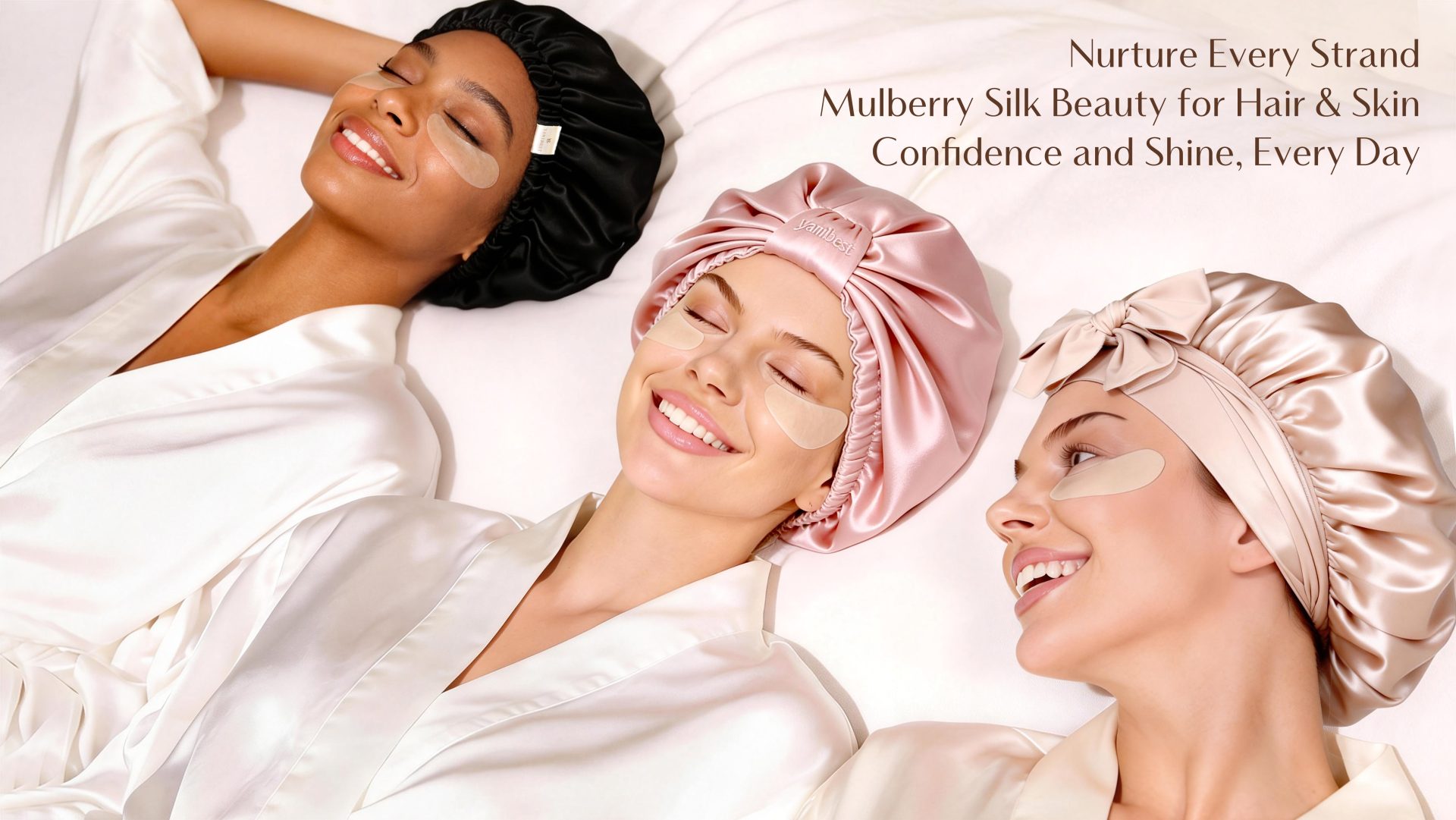
The common trouble with regular beanies
Listen, most beanies do more harm than good if you care about your hair: static, breakage at the edges, damp scalp, and slippage that leaves you fussin’ at night. Folks reach for a silk bonnet and wonder why their beanie still ruins things—that’s because the problem ain’t just silk or fabric, it’s the way the hat’s built to sit on your head. Start with the problem first: a lining that won’t stay put and seams that rub are what make a beanie wreck your style, not your hair type.

Features that actually fix the mess
Look for a continuous silk lining that rides up with the hat so hair doesn’t get pinched against a rough seam. A looser crown with a snug, soft-band at the forehead keeps the beanie from sliding without strangling your edges. Weight matters — heavy silks flatten curls, ultralight silk preserves bounce. Breathable knit around the lining lets moisture escape; a full silk shell traps oils and causes buildup. Double-stitched seams and a flat inside finish cut down abrasion. Those are the fixes that solve the problems you feel when you take your beanie off and find split ends where there shouldn’t be any.
How I tested them on real heads
I spent years fitting clients from humid summers in New Orleans to dry winters, testing hats under real conditions, and that’s why I trust first-hand notes more than buzz. One clear moment came after wearing a silk bonnet for sleeping through a string of sticky nights in Louisiana: the versions with a full silk lining and a softer band kept moisture down and cut down breakage by actual feel. That’s not just talk — it’s the kind of hands-on experience a stylist learns after thousands of wears and fittings, and it’s why I recommend specific construction details over brand hype.
Viable alternatives and what you give up
Satin linings mimic silk at a fraction of the price but they’re often heavier and less durable; they also pill faster. Full silk bonnets give maximum protection for sleeping, but they can be too loose under street beanies and won’t control slippage unless the outer knit is cut right. Cotton beanies breathe but they’ll snag cuticles and draw moisture away from hair. Choose based on what problem you’re solving: sleep protection, daily styling under a hat, or moisture management.
Common mistakes people make
Picking based on color or price instead of construction is the biggest misstep. Folks buy the prettiest hat and ignore the liner quality. Another mistake: assuming “silk” means good silk — lower-grade silk or polyester satin lining won’t protect hair and will stretch weird. Washing wrong—hot water and the dryer—shrinks linings and ruins fit. And don’t over-tighten the band; that prevents movement but creates breakage at the hairline.
Final word that ties it together
If your beanie’s been a source of hair grief, focus on lining continuity, seam placement, and a gentle hold — small details that change whether you end the day with smooth hair or a wrecked hairline. Years of fittings taught me to choose sensible construction over shiny claims, and that’s the kind of care you’ll notice from a thoughtful source like yanibest.