

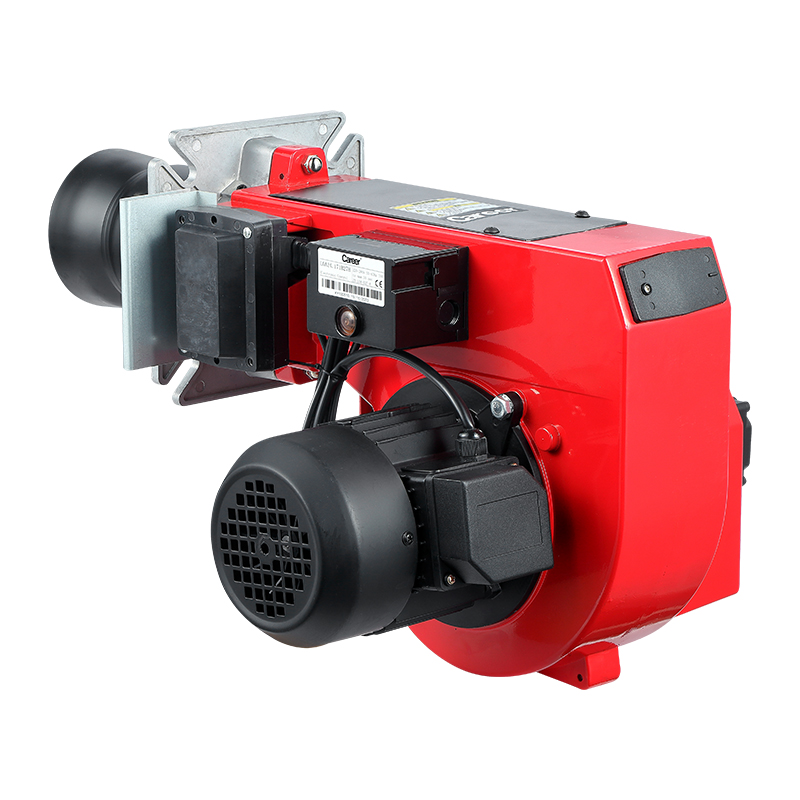
The problem that keeps plant operators awake
I’ve stood beside service techs watching a furnace cycle itself into a shutdown at 3 AM, and the core issue was rarely a single failed part. It’s a cluster: inconsistent fuel, poor atomization, outdated controls, and pressure swings that create soot and wasted fuel. When the need is predictable heat under unpredictable conditions, an industrial oil burner still appears on the clean list because it addresses those immediate, practical failures.

Where systems break — the specific faults to chase
Operators report the same malfunctions: clogged nozzles, unstable flame, drifting draft, and sensors that can’t distinguish a slow seal leak from a primary airflow problem. Each symptom maps to an engineering fault. Clogged nozzles ruin spray pattern and boost carbon; poor draft causes incomplete combustion; outdated controllers can’t modulate to partial loads. These aren’t abstract issues — they show up as higher fuel bills, forced downtime, and premature refractory wear.
A real-world anchor: what happens during harsh heating seasons
In New England winters, demand surges and older systems get pushed beyond their tuning windows, which is exactly when a properly set up heating oil burner proves its value. Field teams there routinely report fewer emergency callouts when burners are matched to nozzle size, draft control, and the local fuel quality. That geographic pattern is simple proof: right design and routine tuning reduce failures under extreme load.
How modern burners fix the core problems
Today’s oil burners tackle the root causes directly. Better atomizers produce uniform droplet size so combustion is complete at lower excess air. Modulating controls maintain stable flame across load cycles. Integrated sensors provide real-time feedback for tuning instead of guesswork. Material improvements resist corrosion from bio-blended fuels. Each upgrade reduces soot, improves efficiency, and shortens maintenance time—practical wins, not marketing claims.

Common mistakes and the corrective steps I recommend
Stop treating the burner as a black box. Mistakes I see often: using the wrong nozzle, postponing combustion analysis, and assuming a draft controller is “set and forget.” Do this instead: establish a combustion-tuning schedule, stock matched nozzle kits, verify chimney draft under operating conditions, and log sensor baselines so deviations show up early. Small checks prevent weekend emergency replacements.
When to consider alternatives — and when not to
Gas lines and heat pumps have advantages, but they don’t eliminate the problems listed above; they change them. If consistent fuel supply, high turndown capability, or retrofit constraints matter, oil burners remain the pragmatic choice. Choose alternatives when infrastructure, emissions regulations, or long-term fuel economics clearly favor the switch. Otherwise, focus on modern burner controls and maintenance to get the most out of existing systems.
Putting the solution within reach
Fix the problem set, not just a failed part. Match nozzle, draft, and control algorithm to the real load profile, and train crews to read combustion signatures. Practical component specs and service guides from Career Burners help teams make those matches confidently, cutting downtime and keeping combustion predictable when operating conditions turn difficult.