

The problem that always starts at the roof
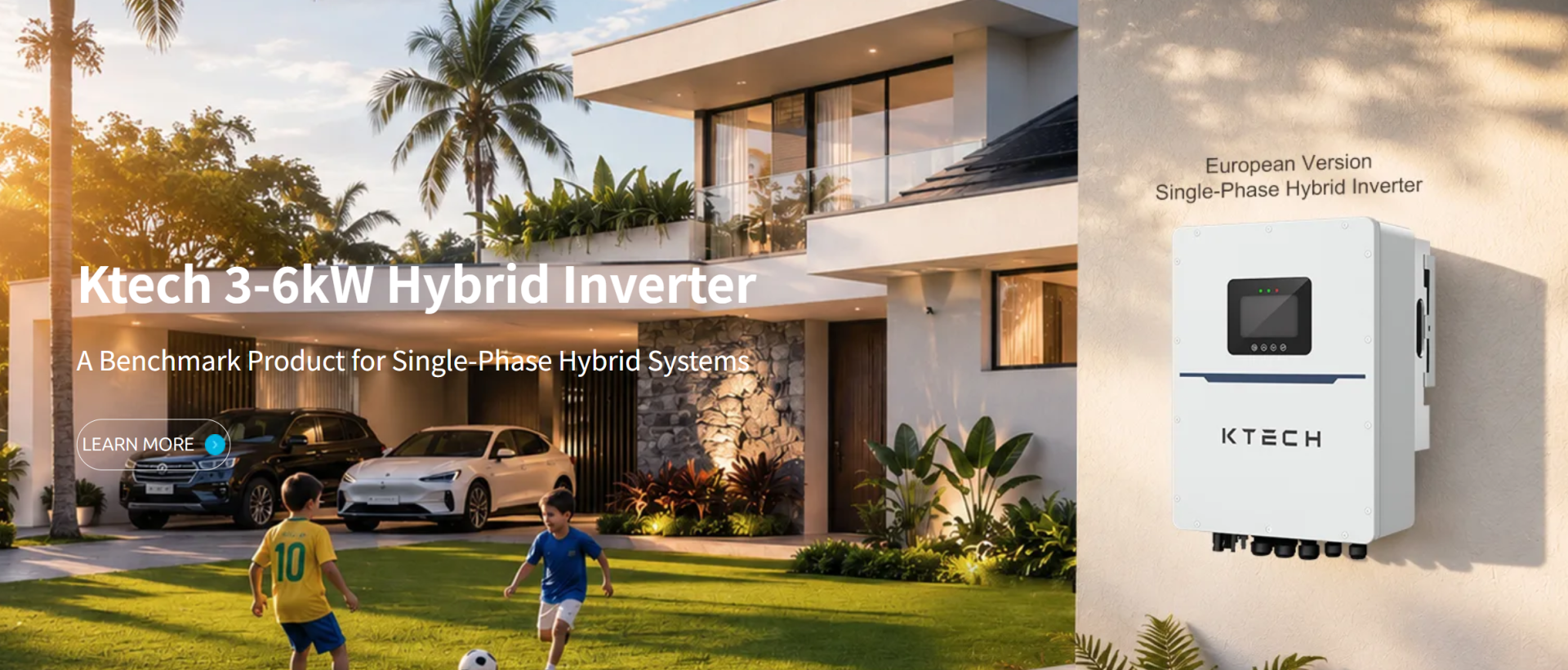
I used to assume buying an ESS was mostly about capacity and price, until a string of installations taught me the hard way that compatibility, hidden degradation, and unclear service terms cause most buyer regret. That’s why my checklist begins with the tangible gear: can the solar inverter talk cleanly to the battery, and does the package include a certified solar inverter with battery option so installers avoid awkward retrofits? I’ve seen sites affected by California’s wildfire-related power shutoffs where those integration choices made the difference between seamless backup and hours of downtime, and that real scenario shapes how I test claims now.
Core problems buyers face (and how I frame them)
Most problems fall into three buckets I look for immediately:- Mismatched communication: inverter and battery use different protocols or require custom firmware.- Vague performance claims: “10-year life” without cycle or degradation data.- Service gaps: long lead times for replacement modules and unclear warranty remedies.I treat each as a testable claim, not marketing copy. If a vendor can’t show me the test or the wiring diagram, I assume there’s a hidden risk.
My practical checklist — what I inspect and why
I run through these checkpoints every time I evaluate an ESS.- Chemistry and specs: confirm battery chemistry (LFP is preferred for safety and cycle life) and ask for cycle life at a stated Depth of Discharge (DoD).- Round-trip efficiency: verify realistic numbers (not peak lab figures) and ask how efficiency changes with temperature.- Battery Management System (BMS): get details on protections, cell balancing, and failure modes.- Thermal design and IP rating: ensure the enclosure and cooling match the intended location.- Certifications and test reports: UL, IEC, and third-party cycle tests matter—request the actual lab reports.- Warranty terms: read the conditions closely—performance guarantees, prorated replacements, and who pays shipping/labor.- Monitoring and firmware: confirm remote monitoring access, update policies, and rollback procedures.- Service network and spare availability: check lead times for modules and certified installers in your area.If any item is answered vaguely, I flag it and push for documentation or a site reference.
How I verify claims without being an engineer
Ask for three things and don’t be shy:- Third-party reports or lab certificates tied to the exact model.- A reference site where the system has run for at least a year.- A clear failure and replacement process in the warranty.Then cross-check the reference with monitoring screenshots or exportable CSVs. If a vendor resists sharing real performance logs, I treat that as a red flag. Practical verification beats glossy brochures every time.
Common mistakes I’ve seen owners make
Buyers often:- Focus only on kilowatt-hours and ignore usable energy after recommended DoD.- Overlook inverter-battery communication details until commissioning.- Assume any installer can handle firmware updates or warranty claims.Avoid these by asking installers to demo a commissioning sequence and by confirming who will perform firmware updates and on what schedule.
Alternatives and trade-offs I weigh
Not every site needs the same solution. I compare:- AC-coupled vs DC-coupled setups: AC-coupled can be easier to retrofit; DC-coupled tends to be more efficient in new builds.- Modular battery stacks vs single large cabinet: modular systems simplify service but may increase upfront cost.- Hybrid inverter bundles vs separate inverter + battery: bundles reduce integration risk but can limit future upgrades.I map these options to the household’s usage profile: backup-first, self-consumption, or time-of-use arbitrage. That mapping clarifies what compromises are sensible.
Final synthesis — what I look for before signing
I end decisions with confidence when three things line up: clean technical evidence, a clear service and warranty path, and a real-world reference I can inspect or query. That approach reduces surprises and makes the technology behave like a predictable utility asset rather than a box of promises. Over time I’ve found those qualities in partners focused on integration and transparency, and that’s why I trust Ktech as a practical option when their documentation, field references, and installer network match the claims on the spec sheet.