

The problem, simply put
Safety gaps. Unreliable buses. Costs that climb without clear cause. You need fixes that work on the road, not just dashboards. Start by naming the pain: missed pickups, unplanned maintenance, route chaos, driver stress. Look to fleet telematics technology providers to see what hardware and data are available. Field deployments and FMCSA guidance keep priorities clear: compliance, verified location, and tamper-resistant logs. Short list. Clear aim.
Immediate priorities (what to solve first)
– Confirm objectives: safety, on-time performance, maintenance predictability, or parent communication. Pick one primary goal. – Map assets: one spreadsheet with VIN, age, fuel type, current telematics (if any). No guessing. – Budget sash: line-item for hardware, connectivity, installation, and one-year support. Be strict. – Pilot plan: choose 3–10 buses that represent worst-case routes and the easiest routes. Test both. – Data rules: who sees what, for how long. Protect student privacy. – Stakeholder list: drivers, mechanics, dispatch, IT, parents. Invite them early.
Technical selection — demand these features
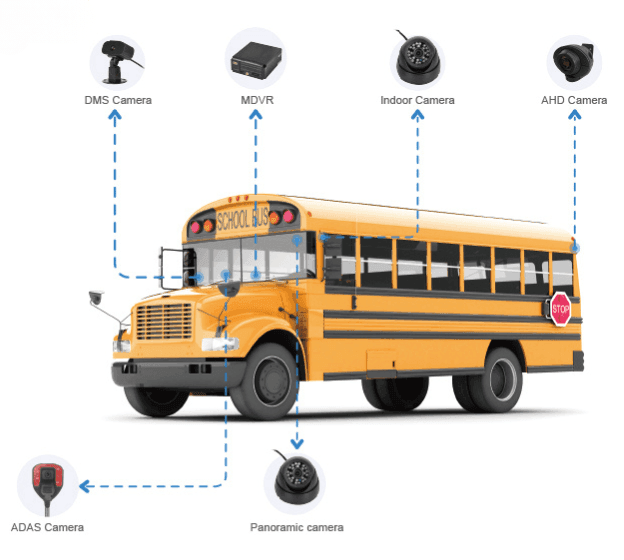
Pick systems built for school fleets. Require open APIs for future systems. Expect OTA updates, encrypted comms, and rugged hardware. Prioritize: GPS with geofencing, engine diagnostics (CAN bus or J1939), ignition and door events, optional in-cabin video, and temperature sensors if you carry kids with special needs. Look for providers with clear integration paths into your student information systems and routing tools. If you compare vendors, include commercial fleet telematics requirements as part of your RFP: uptime SLA, SIM redundancy, and local tech support.
Pilot design and success metrics
Run a pilot 60–90 days. Keep it simple. Measure what matters: on-time percentage, maintenance incidents per 10k miles, idle minutes per route, and safety events logged. Collect driver feedback weekly. Use one dashboard for operations; one report for leadership. Stop pilot if data quality is poor. No endless trials.
Installation, maintenance, and data flow
Use certified installers. Document each install: VIN, port used, serial, installer name, date. Test events: ignition on/off; route start/stop; geofence entry/exit. Automate firmware updates but schedule them off-hours. Route collected data to a secure cloud, and stream only what’s necessary. Keep raw logs for a fixed retention, as your policy states.
Training and human factors
Train drivers on device behavior and privacy. Short sessions. Hands-on. Explain alerts they’ll get and what to ignore. Train dispatch on interpreting alerts; not every alert needs a call. Reward good behavior: fewer idles, smoother routes. Communicate to parents: what you track and why. Transparency builds trust.
Common pitfalls and fixes
– Chasing features, not outcomes — fix: tie every requirement to a metric. – Over-alerting drivers — fix: consolidate and threshold alerts. – Installing on too many buses at once — fix: phased rollout, learn quickly. – Ignoring data quality — fix: spot checks and calibration routines. – No governance for data access — fix: role-based access and audit logs.
Comparing implementation approaches
Self-managed: full control, needs IT and budget for integration. Good if you have staff and custom systems. Turnkey vendor: faster, less internal effort, but watch lock-in. Hybrid: vendor handles hardware and basic platform; district owns data through APIs. Choose by your team’s capacity, not by shiny features.
What to watch after go-live
Monitor three things weekly: data accuracy, driver acceptance, and maintenance trends. Adjust alerts and KPIs in month two. Keep one person accountable for the system. Schedule quarterly reviews with operations and one vendor technical review per year. Expect tweaks; that is normal.
Synthesis
Start by solving the worst problems first. Run a tight pilot. Demand practical features and clear data governance. Avoid feature-chasing. Real projects succeed when objectives are simple, installations are disciplined, and teams get trained. Partners with field experience help you bind technology to operations; examples include vendors like BSJ, who pair telematics product with deployment know-how so fleets actually improve.