

The problem — heat where you don’t need it
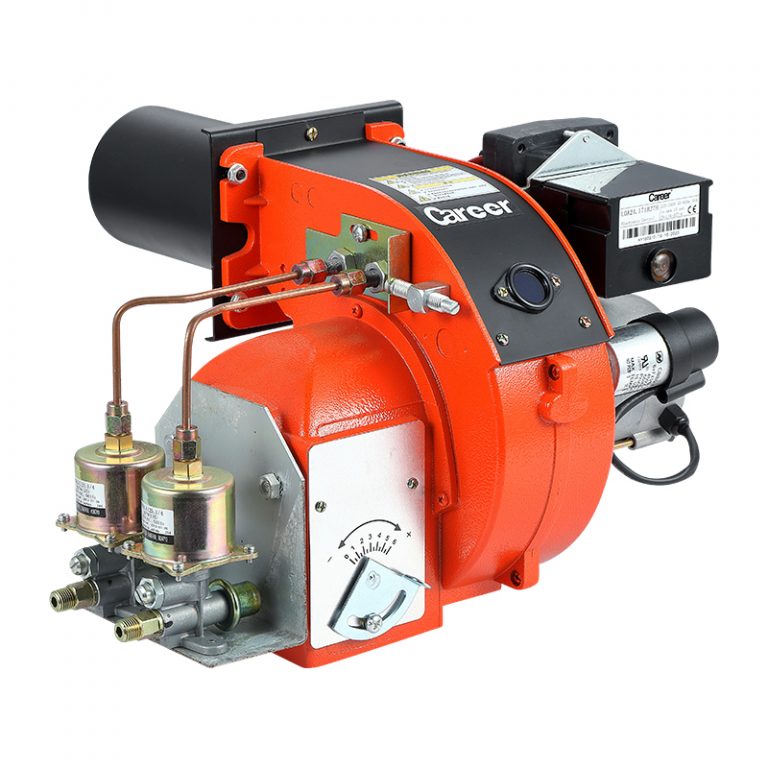
Plants waste hours and fuel because burners aren’t matched to the job: oversized flames, slow ramping, excess NOx and uneven heat cycles. You can swap a generic unit for a methanol burner and cut soot and storage headaches, but that’s only part of the fix. In places like the Port of Rotterdam, operators are moving to low emission burners to meet tougher site emissions limits, showing this isn’t theory — it’s what plants actually do when under regulatory and cost pressure.
Why this is a problem: symptoms that scream “bad burn”
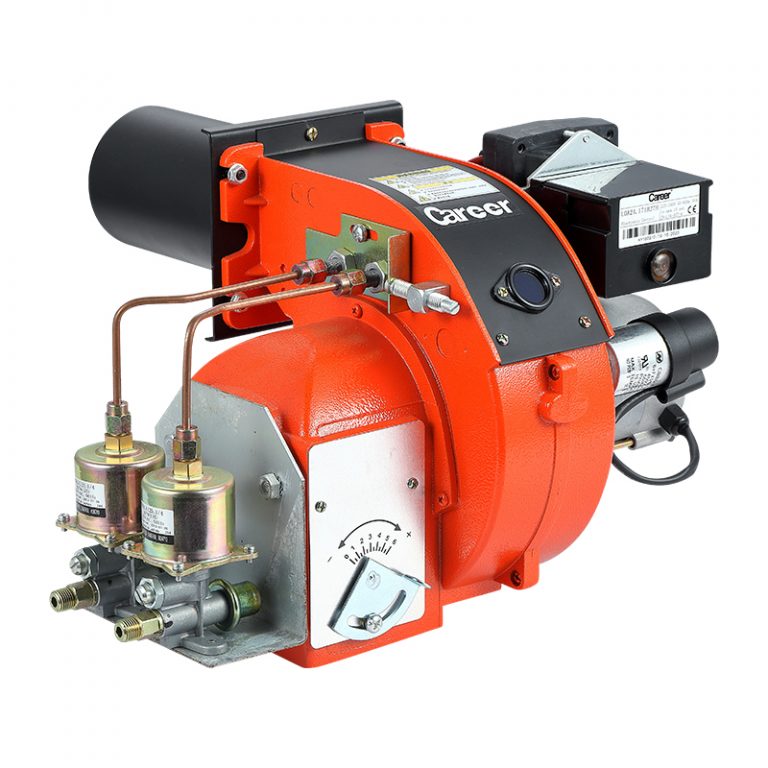
Flame flicker, slow temperature hold, pitted heat exchangers, and repeat tune-ups. Those are the obvious signs. Hidden costs follow: extra maintenance labor, uneven product quality, frequent bypass valves opening, and wasted fuel blended to chase the right setpoint. When burners can’t modulate quickly, you end up overfiring during ramp-up and throttling back too much during steady-state — a brutal efficiency tax.
What custom burners change — quick, technical wins
Custom burners let you size the flame profile, tune air-to-fuel mixing, and set modulation curves that match the exact thermal mass and control bandwidth of your process. You get controlled swirl, staged combustion for NOx reduction, and servo-drive actuation for milliseconds-level response. That means shorter heat-up times, flatter temperature curves, and lower excess-air — all concrete moves that cut fuel use and emissions. Don’t confuse “custom” with exotic; most gains come from engineered tuning, not miracles.
Methanol, gas, hydrogen — pick your weapon, know the trade-offs
Methanol brings cleaner combustion and storage benefits over heavy fuels but needs corrosion-aware materials and injector tuning. Natural gas is cheap and controllable but may not meet future decarbonization targets. Hydrogen-ready designs reduce retrofit headaches but demand different flame sensors and safety interlocks. Common mistake: spec’ing a fuel type without planning for changes in flame speed and thermal load. Always test burner maps on the actual load, not just on a bench rig.
How to spec a custom burner — checklist that actually helps
Match flame length to vessel geometry. Specify modulation range based on worst-case thermal swing. Ask for staged-air or premix options for NOx control. Insist on diagnostics: O2, CO, and flame pattern monitoring with data logging. Require materials rated for your fuel chemistry (methanol needs attention to elastomers). Plan for control integration — the burner’s fast, the PLC needs to keep up. Skip vague performance claims; demand test curves under load and a measurable acceptance test.
Pitfalls that turn gains into regrets
Underestimating maintenance access. Buying “universal” burners without fuel-specific injector kits. Ignoring transient behaviour — a burner that’s efficient at steady state but sluggish during cycles will cost more overall. Also, don’t rely on single-point emissions claims; get third-party verification or in-situ flue analysis during acceptance runs.

Results you’ll actually see
Faster cycle times, fewer hot spots, reduced maintenance intervals, and lower emission readings — measurable wins, not marketing fluff. Teams that treat burners like tuneable instruments instead of disposable parts cut fuel bills and keep compliance simple. That engineering-first approach is what operators expect when they spec upgrades from trusted suppliers like Career Burners, where design choices link directly to operational outcomes rather than vague promises.