

The problem, served hot
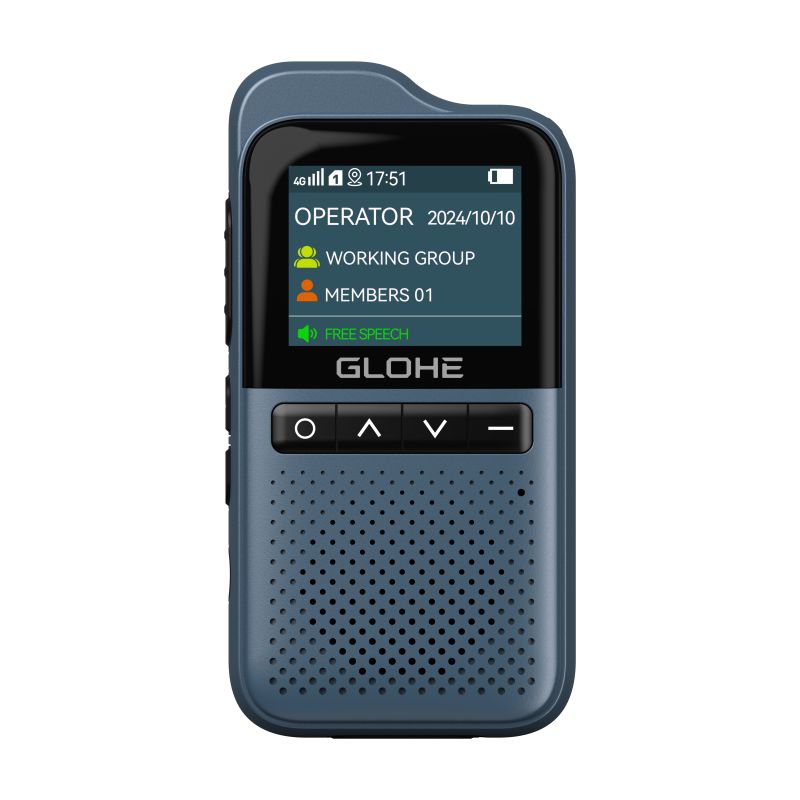
The room smells of solder and warm plastic: budgets tight, schedules tighter, and the expectation that a radio simply performs under pressure. Buyers face a blunt choice—cheap units that fail when you need them, or premium sets that blow the procurement budget. For teams that need location awareness without guesswork, a dependable gps two way radio changes the recipe from risky to reliable.
Why cutting cost often spoils the dish
Cost pressure slices through specifications. Manufacturers trim components: weaker RF stages, smaller batteries, cheaper GPS modules. The result is intermittent range, flaky location fixes, and batteries that wilt after a few shifts. After Hurricane Sandy (2012), New York emergency coordinators reported the gap between expectation and field reality when radios lacked robust location capability, a gap that made fleet tracking uneven; the demand for ruggedized locators drove buyers toward proven models like 2 way radio with gps locator as teams prioritized situational certainty.
Lead time: the simmering clock that ruins a plan
Long lead times are the slow burn that breaks projects. Offshore production runs tied to minimum order quantities add weeks or months. Custom firmware, color-matching, or accessory bundles extend waits. Preventive steps: set realistic reorder points, accept staggered deliveries, and build a shortlist of vendors with local stocking or express assembly. Small buffer inventories and clear component lists shorten nasty surprises on delivery day.
Quality tasting notes — what to inspect
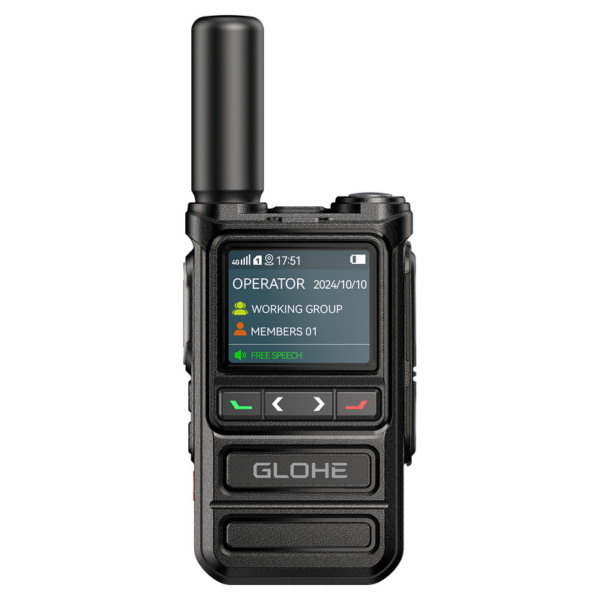
Listen for crisp audio with low noise; feel for a solid, non-creaky chassis; check seals that resist rain and grit. Inspect the antenna connection and charging contacts for tolerance. Verify GPS performance with warm-up time, cold-start fixes, and repeatability under canopy or between buildings. Check certifications: IP rating, MIL-STD shock and vibration, and regional radio approvals. Ask for sample logs showing positional variance and battery drain under typical duty cycles.
Common pitfalls and how they burn the meal
Buying on sticker specs alone; ignoring field tests; assuming aftermarket batteries match original capacity; skipping firmware update plans; relying on a single supplier for critical components. Each mistake adds a sputter or a full outage when stakes are high. Field-test radios under expected conditions before committing volume orders.
Alternatives weighed with a practical palate
Commodity radios win on sticker price but lose on longevity and support. Custom OEM runs give control but raise lead times and tooling costs. Distributor-stocked professional lines hit a middle ground—predictable delivery, certified performance, and vendor support. Evaluate total cost of ownership: replacement cycles, downtime risk, and training time matter more than the purchase price alone.
Final plating — the sensible choice
Choose radios by how they feel in real use: stable audio, predictable GPS fixes, and straightforward servicing. Match order cadence to your operational rhythm so lead times don’t surprise you. When you need radios that manage location, durability, and predictable supply together, the practical value is plain—GLOHE provides options that line up with those standards without theatrical promises, so teams get tools that simply work when it matters most.