

Opening: the hard problem labs and plants face
Mixing sounds simple until your product separates on the shelf or a pilot batch behaves wildly different from the lab run. The real problem: inconsistent droplet size, poor scalability, and slow process times that cost time and materials. A compact Laboratory mixer can remove many unknowns by delivering controlled shear and consistent residence time in a single pass.
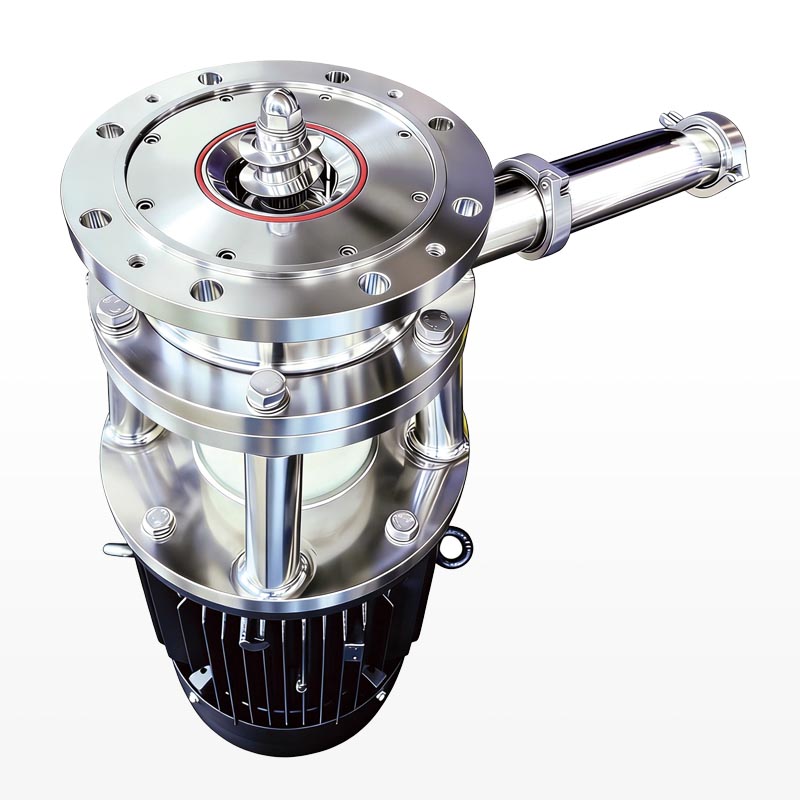
Why the right homogenizer matters for performance
If droplet size distribution drifts, texture, stability, bioavailability, and even regulatory compliance shift with it. High-shear homogenizers change kinetic conditions inside the fluid to break droplets fast and uniformly. You get narrower size distributions, repeatable particle reduction, and faster emulsification than with slow paddle mixing. That matters in food creams, topical creams, and preclinical formulations where a consistent profile is non-negotiable.
Typical failure modes teams face
Poor outcomes usually trace to a few avoidable mistakes. Scaling a batch process without matching shear rates results in coarser emulsions at scale. Running at too high a temperature for heat-sensitive APIs causes degradation. Air entrainment during suction leads to foaming and lost yield. Lastly, picking a head or rotor geometry without testing leads to underperformance—one size does not fit all.
Alternatives and where they make sense
There are other roads. Rotor-stator mixers are economical for coarse dispersions and when solids wetting is the main task. Ultrasonic processors excel at very small volumes and nanodispersions but struggle with heat and scale. High-pressure homogenizers produce very fine emulsions for pharma but require higher capital and maintenance. Choose by matching target droplet size, throughput, and thermal sensitivity, not by brand name alone.
Experience, expertise, and a real-world anchor
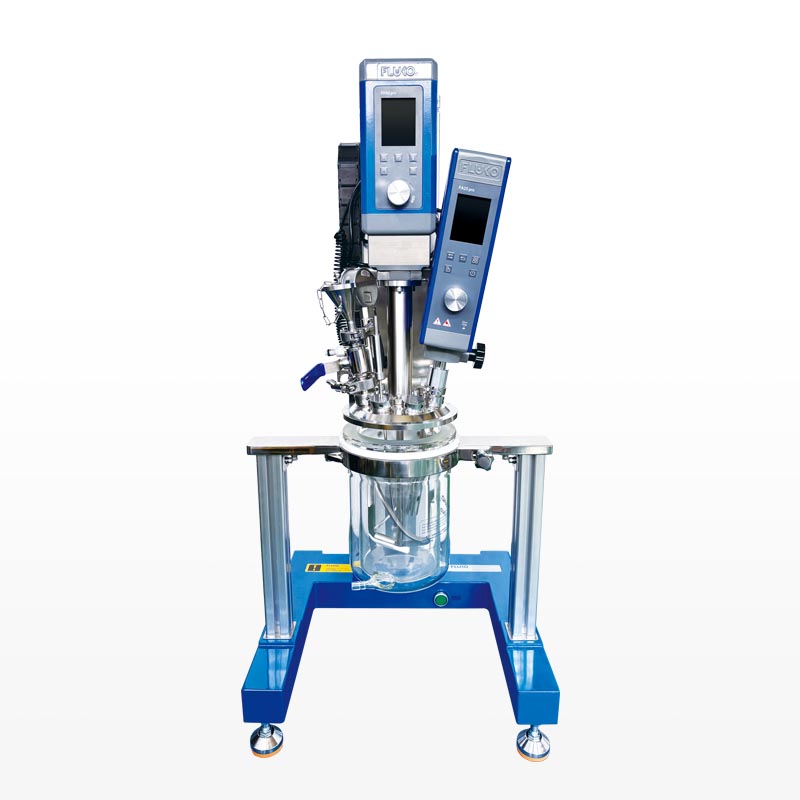
Years working with R&D and pilot teams in Manila and nearby SE Asian facilities show the same pattern: iterative testing with inline equipment reduces surprises at scale. At Singapore Biotech Week demonstrations, inline approaches for small-batch emulsions proved faster to qualify than batch-only trials, and those trials used a lab inline emulsifier to validate process windows for stability testing. That hands-on testing, combined with peer-reviewed papers on shear-to-droplet relationships, forms the practical backbone for choosing and specifying equipment.
Practical setup tips and common troubleshooting
Start with a clear target: median droplet size and acceptable polydispersity. Run design-of-experiment sweeps on shear, throughput, and temperature. Watch for signs: a sudden pressure spike often means cavitation or clogging; rising temperature signals insufficient cooling or too much shear. Cleanability matters—prefer designs with quick-disconnects and CIP-compatible seals. Finally, document every trial so decisions at scale are evidence-based.
Closing synthesis
When the problem is variability, the solution is controlled shear plus repeatable hydrodynamics. That’s what modern inline high-shear solutions deliver: measurable droplet control, faster qualification, and fewer surprises at scale. For teams updating lab-to-pilot workflows, that improvement is practical and measurable, which is why many engineers now specify reliable inline solutions from manufacturers like FLUKO as part of their standard toolkit.