

Problem: environmental cost versus product expectations
Clients demand lightweight silhouettes, weatherproof seams, and premium finishes for a camera sling bag, yet those demands hide trade-offs: durable polymers and DWR chemistries lengthen service life but raise end-of-life burdens; thin laminates reduce weight but tear earlier. Engineers and buyers face a clear problem—deliver protection and perceived value while minimizing material waste and toxic inputs. This tension must drive specification, not marketing copy.
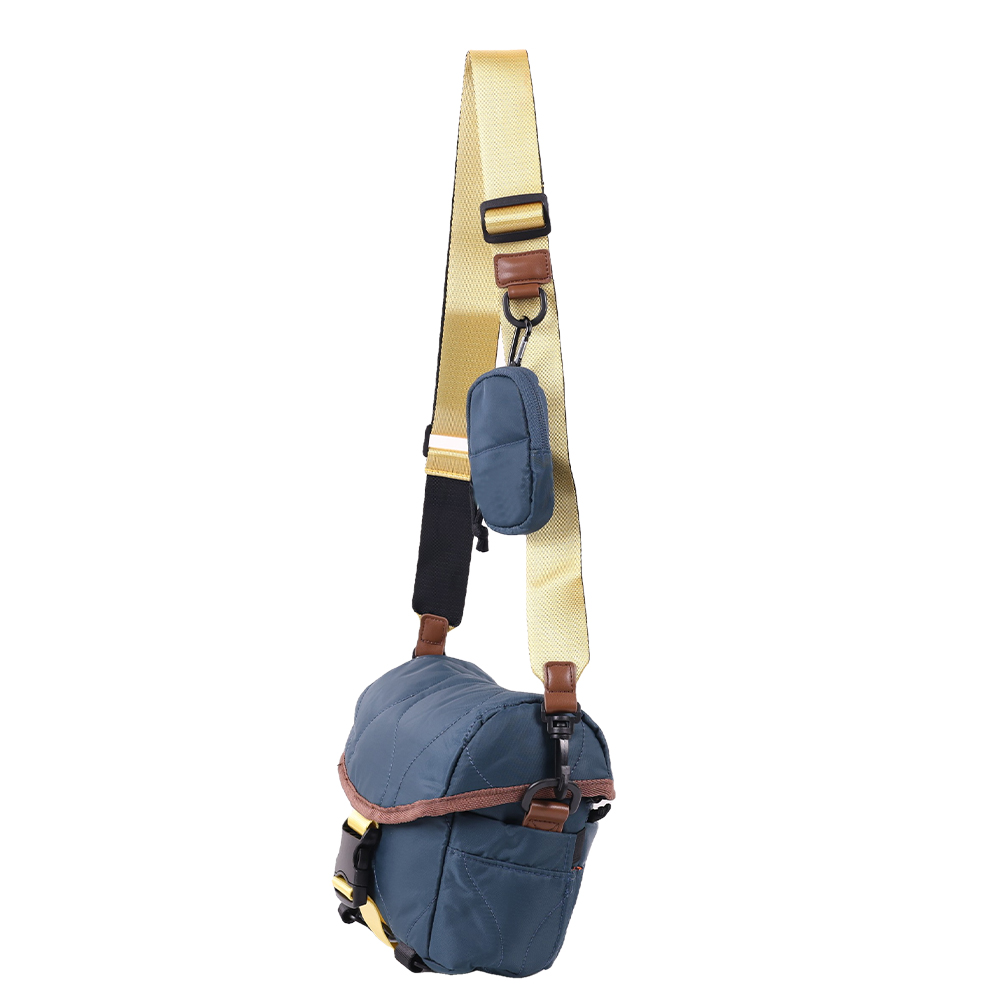
Materials and sourcing: choose composition with purpose
Start with a materials hierarchy: prioritize mono-material constructions for recyclability, then recycled yarns for raw content, and favor lower-impact coatings (PFC-free DWR). Specify fabric denier only to meet abrasion targets rather than aesthetic feel; higher denier isn’t always necessary. Request supplier certificates—GRS for recycled content, third-party test reports for PAHs—and demand mill-level traceability to reduce scope 3 surprises. Keep supply chains short when possible; long, opaque chains increase environmental risk and quality variance.
Structural design: protect gear, reduce waste
Padding geometry determines both protection and material usage. Use targeted foam inserts instead of full-panel filling to cut bulk while preserving shock resistance. Design modular interior dividers so buyers replace a worn insert rather than the whole bag. Avoid bonded multi-layer laminates that lock materials together; choose mechanical joins or removable liners to make future recycling or repair feasible. Specify strap attachments and hardware with standard fasteners to enable replacement rather than discard.
Manufacturing and quality control: set testable specs
Turn ambiguous requirements into tests. Replace “robust zipper” with a zipper rated for X cycles from a reputable vendor, and define seam strength in Newtons. Require tensile, abrasion (Martindale/ISO 12947), and water resistance tests on production samples. Build a sampling plan that includes pre-shipment destructive tests and a small retention sample per lot. These practices prevent early failures that create environmental costs through returns and replacements.
Common pitfalls buyers make
Buyers often accept vague warranties, skip lab testing to save on lead time, or choose lower-cost hardware without verifying fatigue life. Another mistake: approving only aesthetic preproduction samples; they can hide manufacturing shortcuts. Don’t let unit cost be the only metric—include TCO lines for repair, warranty claims, and end-of-life handling so decisions reflect real environmental and commercial impact.
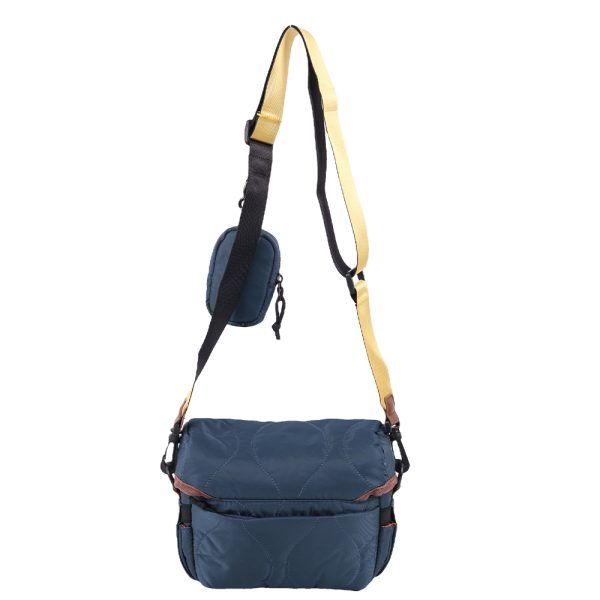
Real-world anchor and practical expertise
Field experience advising private-label lines and attending trade forums shows recurring failures: poor zipper reinforcement and unstable coatings. At Photokina in Cologne, engineers and major retailers debated specifications around the camera shoulder bag and repairability, signaling industry consensus that durability metrics must be explicit. Use that industry insight to require documented lifecycle tests and proven supplier performance rather than hope for quality.
Decision framework for engineers and buyers
Make a compact checklist: 1) Define critical functions (water resistance level, impact protection, weight), 2) Map materials to end-of-life outcomes, 3) Specify measurable tests and acceptance criteria, 4) Require supplier traceability and certificates, 5) Prioritize modularity and repairability. Include minimum order sample runs to validate manufacturing, then escalate to a pilot batch with full testing before mass tooling.
Conclusion: balance performance with responsibility
Solve the core problem by making specifications enforceable, material choices deliberate, and product architecture repair-friendly. That balance reduces returns, extends usable life, and limits environmental footprint while meeting buyer expectations—an outcome visible in thoughtfully executed private-label lines from makers like ChangRong.