

Problem-first—why testing ain’t optional
When a show, shop window, or branded stunt gotta flex flawless light, you can’t let pixels ghost or colors trip the vibe. Testing ain’t about nitpicking—it’s about avoiding public flops, expensive rework, and awkward client calls. If you’re sizing up a led curtain display for a façade or stage drop, you need a test plan that catches the real failures before the crowd shows up.
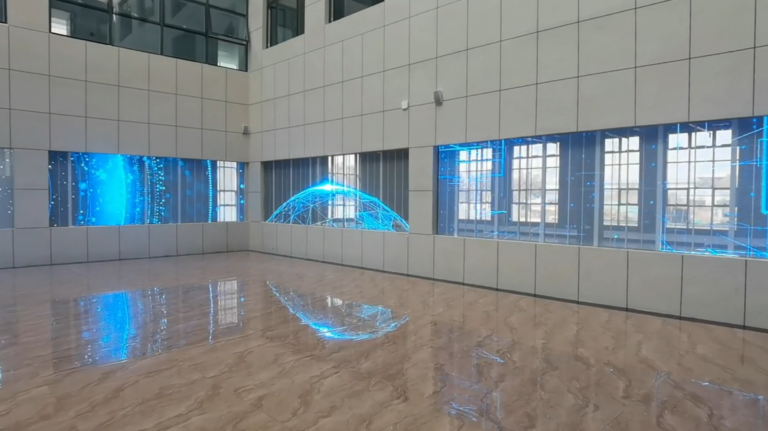
What usually goes wrong
Dead pixels and inconsistent brightness steal the look. Color shift between modules breaks brand identity. Sync and latency issues mess with motion and camera capture. Power faults, poor grounding, and loose cabling spark intermittent blackouts. Weather and vibration beat down enclosures that weren’t stress-tested. Any one of those problems can turn a premium install into a drama clip.
Essential tests to run—exact, practical checks
Run visual test patterns across the whole panel at multiple brightness levels; scan for dead pixels, mura and seam contrast. Measure luminance uniformity with a photometer at standard viewing distance and map hotspots. Check color accuracy with a colorimeter and aim for tight Delta E across modules. Verify refresh and PWM behavior with an oscilloscope—confirm no visible or camera-captured flicker. Test end-to-end video paths: scaler, media player, cabling, sending cards and receivers under real content. Stress the system with burn-in at max safe brightness, then cool-down cycles to catch thermal drift. Do ingress and IP checks if it’s outdoors, plus vibration and mounting torque tests for rigging. Validate firmware update and rollback procedures so field fixes don’t brick the wall.
How to set accept/reject gates without overthinking
Define tolerances you can measure: pixel count thresholds, luminance variation limits, and clear pass/fail for sync and latency. Use objective metrics, not feelings. If a module shows intermittent artifacts under test content or fails repeatability after thermal cycling, it’s a reject until fixed. Document thresholds and test receipts so fixes don’t get reintroduced later.
Common mistakes teams make
Skipping the full video chain test and blaming the panel. Trusting lab results without a field simulation (ambient light, camera angles, power variance). Letting firmware updates go untested on a production stack. Weak cable management and grounding—those are silent killers. Not scheduling burn-in long enough for steady-state faults to appear. Not keeping a clear rollback plan for software fixes.

Experience, expertise, and one big industry anchor
I’ve run QC on LED rigs used for retail rollouts and live events; the same failure modes repeat unless you test the whole system. Major showcases like CES Las Vegas often expose how transparent displays behave under broadcast cameras and mixed lighting, and that’s why engineers demonstrate robust test suites for led curtain wall display setups there. Follow standards for electrical safety and environmental ratings, pair that with systematic measurements, and record everything—those records are what separate guesswork from reliable delivery.
Wrap it up—keep your rep and the show tight
Don’t gamble with looks that carry brand value. Test visually and instrumentally, stress the whole chain, lock in clear pass/fail rules, and fix root causes not symptoms. Teams that do this avoid late-night scrambles and get consistent results, the kind of practical reliability clients expect when they work with HDC.