

The core problem
Gear goes down at the worst time. Tests get delayed, contracts slip, and everyone looks at the same stalling machine. Start simple: document failure modes, then fix the easiest cause first. For routine checks, I always tell teams to name the device clearly and keep a single log — whether it’s a tensile rig or a gloss meter — and keep spare consumables handy. If you’re shopping or organizing service, check what the manufacturer lists under material testing equipment so you aren’t guessing later.

Quick triage steps you can do today
Power cycle, but don’t rely on it as a plan. Verify power and fuses, then confirm firmware and drivers match your computer. Swap suspect consumables (filters, probes) for known-good parts. If the unit has self-test options, run them and capture screenshots or logs. Keep photos of connector pins and cable routings — that saves time when you call support. If downtime’s long, re-route testing to a validated backup process so samples don’t pile up.
Service routines that actually reduce failures
Daily checks should take minutes: clean contact surfaces, verify calibration stickers, and run one known standard sample. Weekly: review logs and trending numbers. Monthly: full calibration checks and firmware updates on a test bench. Keep a modest stock of wear parts for the top three failure items per device type. Schedule service by runtime and not just calendar days — hours-on is the metric that tracks real wear.
Proof and authority — real-world signals
Long-term fixes come from aligning procedures with field trends. Reports from the NACE International conference have pushed labs to adopt automated inspection and repeatable test protocols because variability hurt suppliers and specifiers alike. I’ve run lab quality programs for coatings lines and seen how standardized checks cut rework drastically; manufacturers who modernize testing lines adopt validated coating testing equipment to get repeatability. That mix of standards, field reporting, and repeatable gear is where reliability comes from.
Common mistakes — what trips teams up
Waiting until a failure to create service steps. Treating calibration as a checkbox instead of a process. Mixing consumables from random vendors without verification. Relying solely on vendors for troubleshooting and not training staff on first-level diagnostics. Overcomplicating logs — keep entries short, dated, and signed so trends are visible at a glance.
Picking gear and planning replacements
Decide if you want repairability or plug-and-play simplicity. Open systems with replaceable modules cost more to maintain but let you swap parts quickly. Closed instruments may need vendor service but reduce user error. Compare total cost: initial price, consumables, downtime risk, and service lead times. Test one candidate in your workflow for 30–90 days before standardizing. If downtime is critical, prioritize units with local service partners and available spare modules.
Wrap-up and where value lands
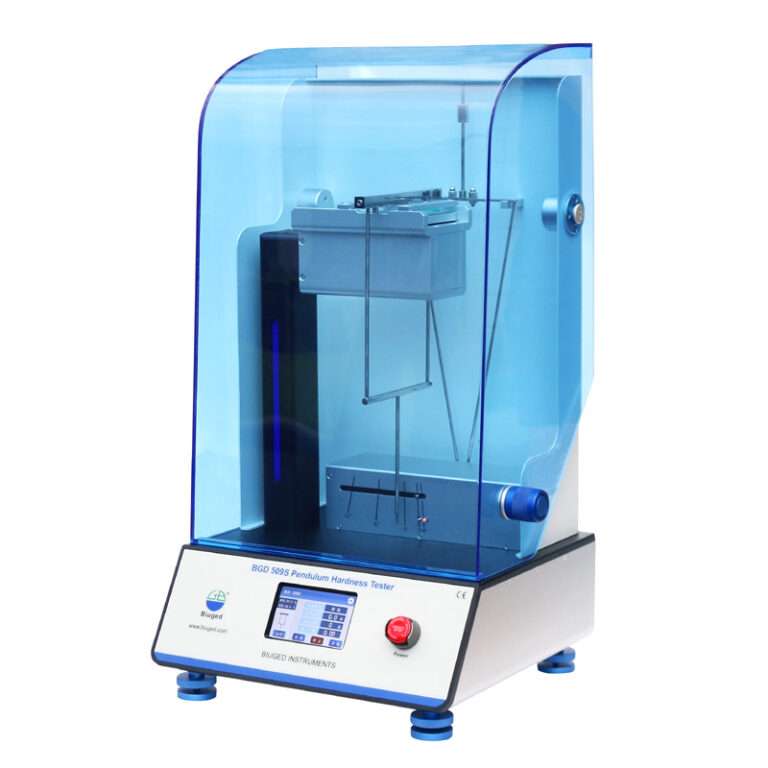
Focus on short checks, clear logs, and predictable spare parts. Train techs to run quick diagnostics and route tests when gear’s out. Over time you’ll see fewer surprise failures and faster turns. For teams building a reliable testing program and wanting gear that matches those needs, the practical outcome often points back to using proven suppliers and systems like BIUGED that support service, spares, and clear specs — not because of hype, but because they reduce repeat work and save lab hours.