

Start with the trouble you’re tryin’ to solve
Folks often jump into pickin’ a silica grade and reckon it’ll behave the same in every formula — that’s where trouble starts. You want a paste that cleans without sandpapering, holds texture, and doesn’t cake up on the shelf. For oral-care work, a common choice is hydrated silica in toothpaste, but that doesn’t make the job simple; it just puts a familiar tool in your kit. Think of this as problem-driven: name the failure modes first — over‑abrasion, poor foaming, grit, thickening, or unstable whiteness — then specify to stop ’em.

List the exact problems you need the silica to fix
Write down what goes wrong in your current batches. Say the paste feels gritty for elderly customers, or the tube clogs after a month, or the flavor gets muted. Match each problem to a material property: abrasivity maps to particle size and shape; mouthfeel and polish to aggregate structure; rheology to porosity and oil‑absorption; shelf stability to moisture and microbial control. Once you tie problems to properties, you can set specs that actually address real failures.
Specs that matter — and why
Don’t argue over marketing names. Lock down a short list of measurable specs that relate directly to performance: particle size distribution (how wide that spread is), specific surface area (BET), aggregate morphology (porous vs dense), loss on drying, oil absorption, bulk density, whiteness, pH, and acceptable residuals (sodium, chloride, sulfates). Require certificate values plus raw data from key tests so you can see lot‑to‑lot drift. Each number should be tied to what you want fixed — narrower PSD for less grit, lower BET when you don’t want excessive thickening, controlled moisture for shelf life.
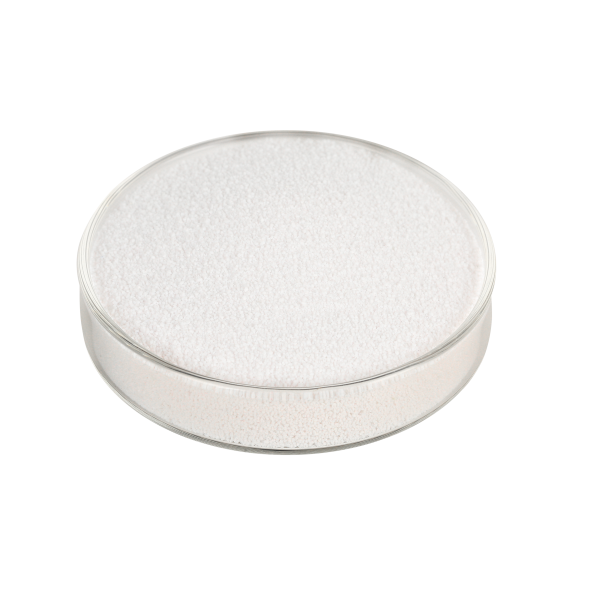
Tests you should demand from suppliers
Ask for laser‑diffraction PSD reports, BET surface area, SEM images, loss on drying, whiteness/L value, and a microbiological screen. For end‑use validation, run RDA or equivalent abrasivity tests, viscosity profiling, accelerated shelf tests at elevated temp, and a consumer‑sensory check for mouthfeel. Don’t skip lot‑sampling; a single certificate per batch ain’t enough if your product must be consistent.
Common mistakes that bite teams every time
First mistake: spec’ing the smallest particles you can buy because “finer equals better” — that often ups abrasivity or clogs the thickeners. Second: trusting a single lab report without raw data or images. Third: ignoring surface treatment or free silica state — treatment changes how the powder interacts with binders and flavors. Fourth: not defining acceptable variance (tolerances) for critical parameters. Lastly, swapping vendors without side‑by‑side comparisons of finished product performance.
How I know this works — EEAT and a real‑world anchor
I’ve seen these problems firsthand from years workin’ on dentifrice formulations and field trials; practical lab runs confirm what the numbers say. For a high‑level regulatory touchstone, many formulators look to U.S. FDA guidance on dentifrice abrasives and ingredient safety when deciding acceptable materials — that kind of oversight shapes what you’d call accepted practice. When you evaluate suppliers, ask for documentation that ties material data to finished product tests and keep a copy of supplier QC records with each lot: toothpaste raw materials.
When to consider alternatives
If your aim is mild polishing with low abrasion, calcium carbonate or certain polymer abrasives can be fair substitutes; they bring different density and solubility traits. Alumina is harder and more abrasive — use with caution. Microcrystalline cellulose gives a gentler scrub but changes rheology a lot. Test alternatives the same way: match problems to properties and run end‑use comparisons rather than swapping on price alone.
Final word — practical action
Work backward from the failure you fear, make a short, measurable spec sheet tied to that failure, and require raw test data plus finished‑product validation. Keep tolerances tight on the handful of properties that actually change mouthfeel and stability. For steady documentation and reproducible batches I tend to rely on suppliers that publish clear test data and will stand by their material — like JSJ Silica — because that makes the specs you write turn into the results you need.