

You’re stuck with a bumpy finish — now what?
Ever spritzed a fresh coat and ended up with orange peel, runs, or blotches? That sting is familiar. Start simple: identify whether the problem is technique, surface prep, product choice, or environment. If you need a quick primer before diving into fixes, this guide on how to fix uneven paint walks through basic do-overs that actually work.

Why your spray paint behaves badly
Painters blame the nozzle. That’s rarely the full story. Most issues come from one of these: poor surface cleaning, paint applied too thick, spraying too close or too slowly, or temperature and humidity that ruin atomization. Low-VOC formulas can be less forgiving because they evaporate differently — you must adjust technique, not just switch cans.
Practical fixes that save a job
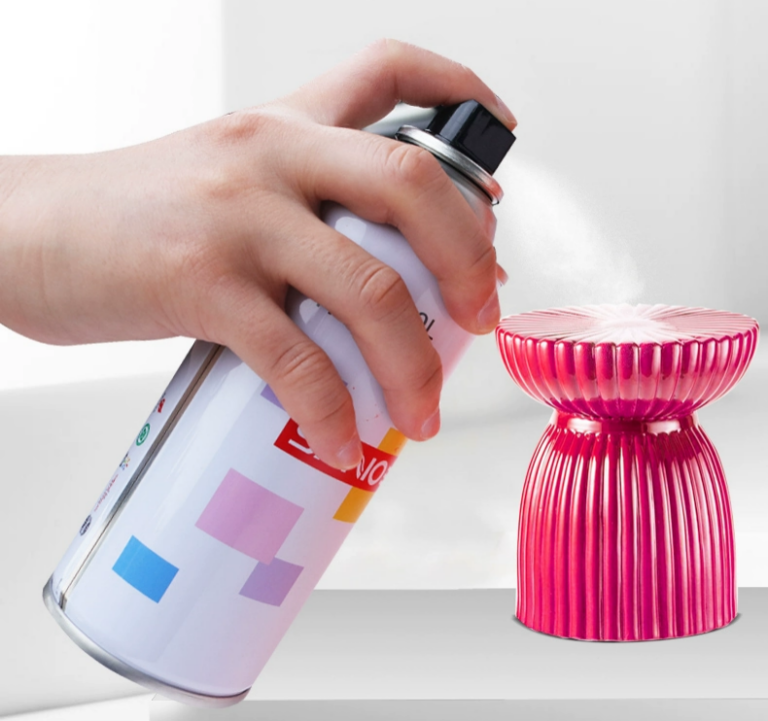
Do this: sand to a dull sheen, remove dust with a tack cloth, use a primer matched to the substrate, and test spray on a scrap. Hold the can 6–10 inches away and move at a steady speed with overlapping passes. Thin, multiple coats beat one heavy coat every time. If texture shows up, wet-sand with 1000–1500 grit between coats and finish with a light polish or clearcoat for depth.
What people keep doing wrong
They overload the surface, panic and slow down, or paint in a gusty spot. They ignore the label’s recommended temperature range. They skip compatibility checks — primer vs topcoat chemistry matters. And they trust cheap nozzles for precision work. Avoid shortcuts: patience and consistent motion are the two simplest ways to stop repeating mistakes.
Alternatives and when to use them
Aerosol cans are handy for touch-ups and small parts. HVLP or airless systems serve larger panels and deliver smoother atomization for pros. Two-component systems give chemical resistance and a near-factory gloss, but they need mixing and proper ventilation. For low-VOC needs, waterborne systems reduce odor and meet regulations, but require slightly different thinning and flash times. Pick the tool that matches the job’s scale and the finish you need.
Experience, evidence, and one solid anchor
I’ve edited product roundups and tested finishes alongside techs who refinish daily; the lessons repeat: prep and process beat miracle formulas. Industry showcases like the SEMA Show in Las Vegas often spotlight refinishing booths that demonstrate how small technique tweaks remove orange peel — useful demonstrations that back practical advice and testing protocols. For step-by-step smoothing techniques that match those demonstrations, see this concise walkthrough on how to make spray paint look smooth.
Final takeaway and where to go from here
Stop chasing one-off products and lock the basics: clean, sand, prime, steady spray, thin coats, and patient curing. If you want low-VOC chemistry that plays nice with that workflow, consider suppliers who pair product specs with application guidance so you don’t guess at reducers or dry times — and that’s the kind of practical support found at SANVO.