

Why this is a proper headache
You dey plan to track shipments, monitor cold boxes, or keep an eye on equipment temperatures, and suddenly the spec sheet look like another language. Sensors, battery, RF range, and physical fit — everything matters. Start by checking what kind of RFID Tags the site or vendor stocks, because that early glance will save time and stop plenty wahala later.
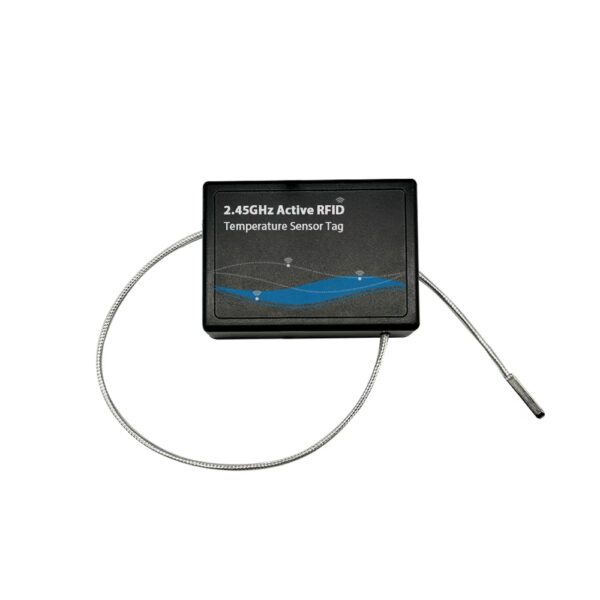
Define the problem, sharply
Say whether you need continuous temperature reads or periodic logs. Continuous streaming eats battery and needs stronger radios. Periodic sampling stretches battery life but may miss short thermal spikes. Decide acceptable accuracy (±0.5°C vs ±2°C), sampling interval, and maximum data latency before you touch the hardware list.
Key specs that decide success
Prioritise these, one by one: transmission range (line-of-sight vs through cargo), battery life (replaceable vs sealed), sensor accuracy and calibration method, on-tag storage size, environmental rating (IP67 or better for wet conditions), and certifications for your market (FCC, CE). Don’t forget antenna orientation — a small tag with poor antenna placement will read like it’s shy.

Integration checklist for systems people
Match tag protocol to reader ecosystem: are you on UHF ISO 18000-6C (EPC Gen2) or a proprietary active standard? Confirm gateway behavior for pushing telemetry to cloud or local servers; MQTT and HTTPS both common. Define payload format early — timestamp, temp, battery, and an event flag for threshold breaches. Test with real readers in the field, not just in lab benches.
Common mistakes folks make
Picking a tag because it looks cheap. Ignoring antenna placement and mounting surface. Assuming battery-life numbers from datasheets are lived experience — they’re optimistic. Forgetting to plan for firmware updates. Putting sensors behind insulating layers that skew readings. Not validating tags under the actual load and temperature swings your project will face.
Alternatives and trade-offs
If battery life is king, consider passive temperature sensors coupled with external readers — lower maintenance but short read distance and no continuous telemetry. If accuracy is the main worry, look at tags with separately calibrated sensors or models that allow field calibration. For ultra-low-cost deployments, thermal labels or data loggers could suffice, though they lack real-time alerts.
Experience, evidence, and a real-world anchor
I’ve scoped and tested tags in sea-port and cold-chain pilots where range and durability mattered most — things learned working around container yards like the Port of Rotterdam showed how physical environment changes everything. Standards and trials from those logistics hubs often reference passive deployments for baseline tracking; when passive coverage isn’t enough you step up to active solutions. For reference on baseline options, look at passive rfid tags as the low-footprint alternative when range and telemetry aren’t required.
Practical test plan before buy
Build three quick tests: one for read range and orientation using full cargo loads; one thermal soak test with controlled temperature steps to verify sensor accuracy and response time; and one endurance trial for battery life under your chosen sampling cadence. Log everything and use the same readers and gateways you plan for production.
Deployment notes and last-minute checks
Label tags with clear installation orientation. Lock down firmware and specify OTA update paths. Set realistic maintenance schedules for battery swaps. Train installation teams to avoid insulating sensor faces, and add simple hecklists so installs don’t vary from site to site.
Wrap-up
Start from the problem and work down: how often you need a temp reading, how far a reader must talk, and what environment the tag must survive. That focus will make specs sensible and procurement simple. When you want hardware that matches the field reality and a supply partner who understands those demands, consider the experienced supply and system integration perspective at RSTC as part of your planning conversation.