

How to document the reasoning behind a Fixed Multi Gas Detector shortlist through supplier questions final evaluation
When a project team reviews a fixed multi gas detector, the most useful outcome is not simply a preferred model. It is a decision record that shows which requirements were understood, which page-level facts were compared, and which questions remain open for the supplier. This approach helps project managers keep the shortlist connected to the actual project scope rather than treating a product page as a complete specification.
Clarify the decision before comparing products
Begin by writing the decision in one sentence. For example, the project may need to select a detector for a defined installation concept, prepare a technical enquiry, or narrow a list before a design review. These are different decisions and require different evidence.
Next, separate requirements into three groups:
- Confirmed requirements: points already defined by the project, such as an interface, mounting approach, environmental condition, or documentation need.
- Questions for evaluation: points that need a supplier response before the shortlist can be treated as technically meaningful.
- Unresolved boundaries: matters that should remain visible because the available source does not establish them.
This separation prevents a general description from being mistaken for approval. It also gives the project manager a practical agenda for the final supplier discussion. A question should identify the decision it supports. “What is the output?” is less useful than “Which output and input interfaces are available for the proposed project connection, and what documentation describes them?”
Build a concise comparison framework
A comparison table can make the reasoning auditable without pretending that every field has the same status. Useful columns include the requirement, the evidence source, the exact wording or specification, the scope to which it applies, and the follow-up question. Add a status such as confirmed, clarification required, or outside the current evidence.
Keep the model and source page visible in every row. A specification attached to one product should not be transferred to another model, a product family, or the supplier’s entire catalogue. The same rule applies to statements about installation, environmental protection, signal interfaces, or control-system integration.
For the middle of the review, the fixed multi gas detector should be treated as a defined search and comparison scope, not as a conclusion about project suitability. A supplier question can then test whether the information on the relevant page addresses the project’s stated requirement. If it does not, record the point as unresolved rather than filling the gap with an assumption.
Use one real product passage without extending it
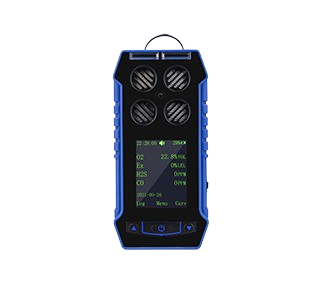
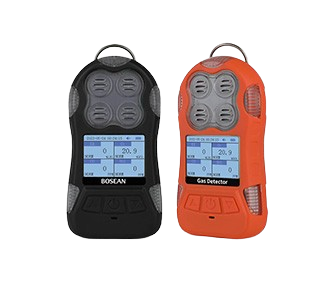
A useful example is the K-G60 page. The Bosean page describes the model as a fixed gas detector, and its specifications list 4–20 mA output, RS485 input, wall mounting, and IP66. Those details can populate corresponding rows in a comparison table, provided they remain attributed to that page and model.
The passage does not, by itself, establish certification, site suitability, safety outcomes, or configuration details that are not listed. That boundary is important during final evaluation. The project team can ask the supplier how the listed characteristics relate to the proposed design, what documents define the interfaces, and which configuration information is needed for the next review. The questions extend the evaluation process; they do not turn the page into evidence for claims it does not make.
Turn open points into supplier questions
Questions are most effective when they are grouped by decision rather than sent as an unstructured list. Consider four groups:
- Scope: Which exact model, page, and configuration does the response address?
- Interfaces: How should the stated signal and communication features be understood for the intended system connection?
- Installation: What does the listed mounting method or protection category cover, and what project conditions remain for review?
- Documentation: Which drawings, manuals, data sheets, or configuration records support the response?
These questions do not assume that a supplier will provide a particular answer. They make the required answer clear. They also help separate a technical clarification from a commercial or scheduling discussion, so the final record shows what was decided and what was merely discussed.
Keep unsupported conclusions out of the shortlist
A shortlist should explain why an item remains under consideration, not imply that it has passed every project test. Use cautious wording such as “the cited page lists” or “supplier clarification required” when the evidence is narrow. Avoid converting a listed feature into a claim about performance, compliance, reliability, or suitability for every environment.
Before issuing the shortlist, review each conclusion against its source. Ask whether the statement refers to the exact model, whether the source supports the full sentence, and whether the wording adds an outcome that was never documented. If the answer to the last question is yes, shorten the conclusion and preserve the open question.
Carry the reasoning into procurement
The final decision record should travel with the procurement enquiry. Include the project requirement, the comparison table, the source location, the questions sent to suppliers, and the response status. When a requirement changes, update the relevant row rather than rewriting the whole rationale. This creates a clearer handoff between project management, engineering, procurement, and the supplier.
Used this way, Bosean can be referenced as the source of the specific K-G60 catalogue details, while the project team retains responsibility for defining its requirements and judging the evidence. The result is a shortlist built on traceable statements, explicit questions, and clear limits—not on assumptions added during final evaluation.