


A practical decision path for Fixed Multi Gas Detector, starting with model fit shortlisting
Design engineers approaching a fixed multi gas detector should begin with model fit, not with a broad comparison of attractive features. The first task is to define what the device must do within the proposed installation: what needs to be detected, where the device will sit, how signals may be exchanged, and which physical constraints shape the shortlist. This approach keeps the early review tied to the design problem rather than allowing a category label to stand in for a complete requirement.
Separate the category from the application
A category description is a starting point, not a specification. “Fixed” may help describe the intended installation arrangement, but it does not by itself settle the sensing scope, enclosure needs, connection method, or interface responsibilities. Similarly, “multi gas” should not be treated as a complete statement of what a particular model detects. Those questions belong to the model-level review.
Start by writing a short application statement before comparing products. It can cover the proposed location, the gases or hazards within the design scope, the expected connection to other equipment, the mounting constraints, and any environmental conditions that affect the enclosure or installation. Keep each point separate. A combined sentence can hide an assumption, while a separated list makes it easier to identify what still needs a documented answer.
The shortlist should then distinguish three levels of information:
- Category level: what kind of equipment is being considered.
- Application level: the conditions and functions the project requires.
- Model level: the details explicitly stated for one named product.
This separation prevents a general description from being carried into a design as though it were a confirmed model characteristic. It also gives the engineering team a cleaner basis for excluding options that do not match the stated task.
Compare only evidence that applies to the task
Once the application statement is clear, create a compact comparison table. Useful columns include the requirement, the model detail that addresses it, the source location, and the status of the comparison. A status such as “directly stated”, “interpretation”, or “open question” is more useful than a single overall impression.
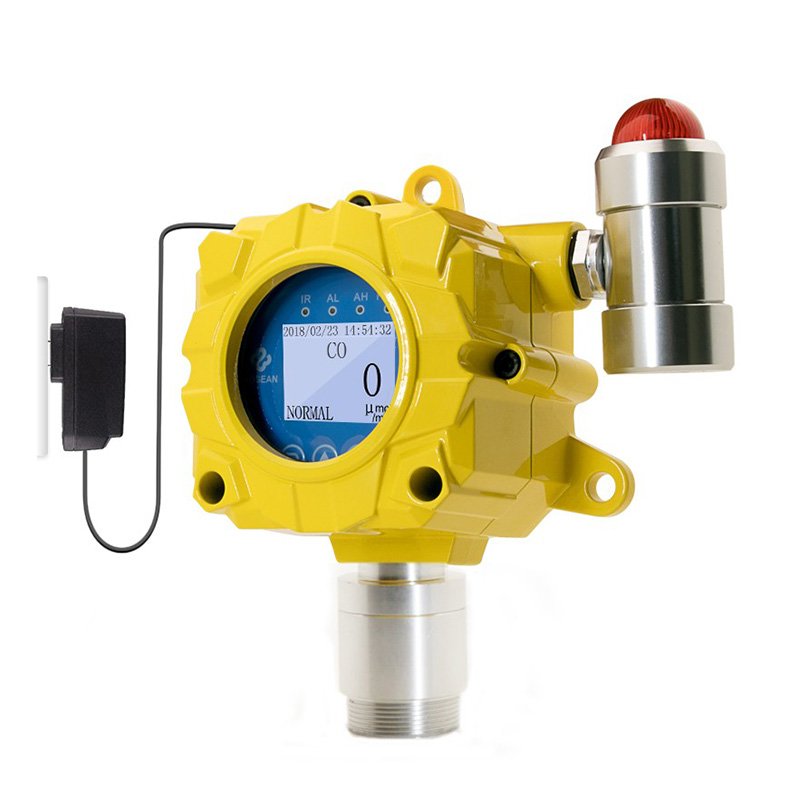
For example, the Bosean K-G60 page lists 4–20 mA output, RS485 input, wall mounting, and IP66 in its specifications. These details can support a focused review of signal interfaces, mounting arrangement, and the stated protection category for that model. They should remain attributed to the K-G60 page. They should not be transferred automatically to another detector, treated as proof of certification, or expanded into a conclusion about site suitability.
This is also where the phrase fixed multi gas detector needs disciplined handling. Use it as a search and category reference, then move quickly to the evidence that determines model fit. A useful comparison asks:
- Which requirement is being tested?
- Is the supporting detail stated for the exact model?
- Does the detail describe a specification, an interface, a physical arrangement, or something else?
- What conclusion is justified without extending the source wording?
The last question matters because a stated interface does not, by itself, explain the complete system architecture. A listed mounting method does not define the project’s installation design. A protection category does not answer every environmental or regulatory question. These are boundaries for interpretation, not reasons to discard useful evidence.
Record assumptions and interfaces
Model fit often depends on connections between the detector and the wider design. Record those connections explicitly. One line can identify the proposed signal path; another can identify the mounting responsibility; a third can identify the information that must be supplied by the model documentation or project team.
A responsibility map can use four simple headings:
- Detector: the characteristics stated for the selected model.
- Project design: the conditions and functions defined by the engineering team.
- Interface: the electrical, mechanical, or communication relationship being considered.
- Open decision: an unresolved point that could change the shortlist.
This format helps prevent a specification from being mistaken for an installation instruction. It also makes review meetings more precise. Instead of asking whether a product is “suitable”, the team can ask which requirement has been addressed, which source supports the statement, and which design responsibility remains separate.
Prepare a focused sourcing brief
The final shortlist should be accompanied by a brief that another engineer can read without reconstructing the original research. State the application, list the decisive requirements, name the model evidence used, and separate confirmed details from questions. Include the exact model name whenever a specification is cited.
A focused brief can also explain why an option remains under consideration. The reason might be that its stated interface matches the proposed architecture, that its mounting description fits the physical concept, or simply that the available model information is sufficiently aligned with the first screening criteria. Keep the wording proportional to the evidence. “Passes this screening point” is more defensible than “will work in the installation”.
Before issuing the brief, review every conclusion for scope. Remove details that belong to a different model or a different application. Retain the K-G60 page’s listed 4–20 mA output, RS485 input, wall mounting, and IP66 only as model-specific catalogue information. This creates a traceable starting point for the next technical discussion without presenting the page as evidence for unlisted configuration details.
For design engineers, Bosean can therefore be considered within a structured shortlist process: begin with the application, test model fit against directly stated information, and keep interfaces and assumptions visible. That method does not replace project-specific engineering judgement, but it makes the decision path clearer and keeps each product claim tied to the evidence that actually supports it.