

The immediate problem buyers face
You’re buying bulk hardware for sites that demand durability, predictable lifecycle, and serviceability — and the market answers with a confusing mix of consumer-grade units dressed up as industrial gear. That mismatch causes downtime, repeated replacements, and budget overruns. For teams that need volume pricing and repeatable specs, looking at curated options such as all in one computer deals early saves painful rework later.
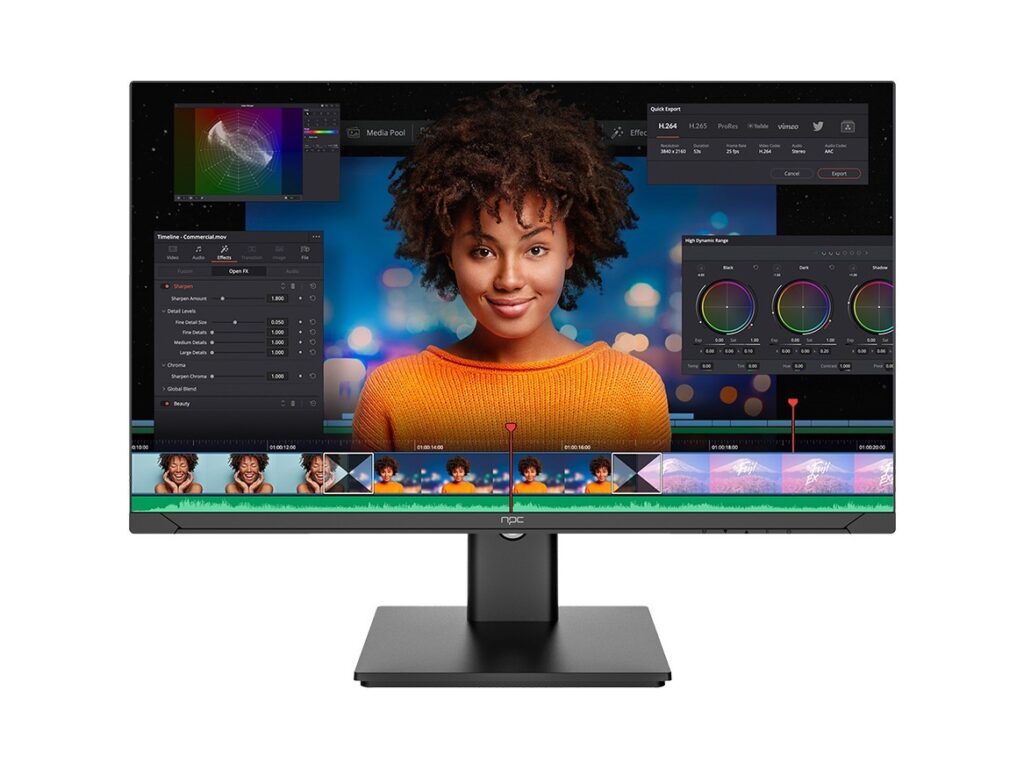
What to prioritize when requirements clash
Decide priorities first: environmental tolerance, maintenance access, display size and mounting, I/O and network options, and warranty terms that cover rollouts. Pick components that support modular swaps so a broken touchscreen or PSU doesn’t force a full-unit replacement. Choose standardized BIOS and driver support to keep imaging and patching consistent across hundreds of devices.
Real-world experience that guides practical choices
I’ve advised procurement teams for over a decade, evaluating units onsite and running burn-in cycles in retail, hospitality, and manufacturing environments. A clear benchmark came from coverage at CES 2024 where multiple vendors demonstrated ruggedized AIOs aimed at commercial deployments; that industry attention helped validate design trends for reliability. For hands-on reference, consider the specifications on all in one home computer when mapping environmental specs and service options to your rollout plan.
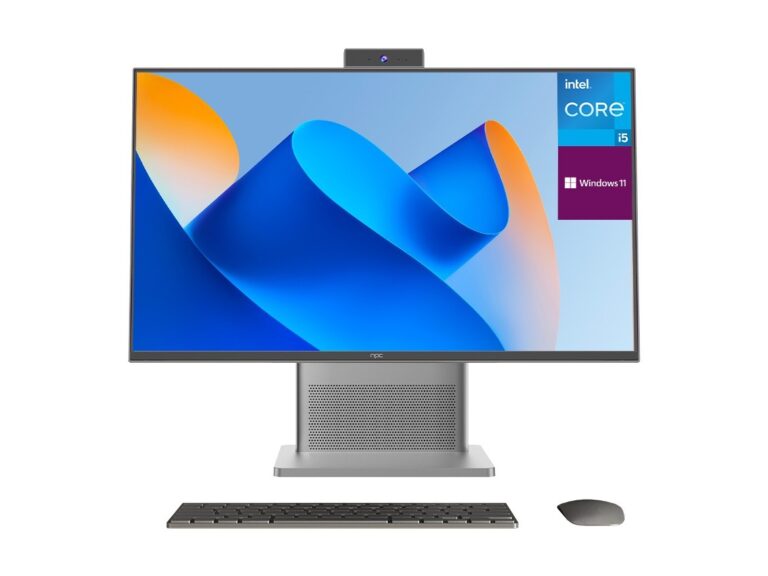
Alternatives and where they fail
Standalone mini‑PC plus VESA monitor looks flexible on paper but creates hidden costs: extra cabling, physical footprint increases, and more failure points. Ruggedized industrial PCs are robust but expensive and often over-specified for digital signage or kiosk tasks. The middle ground — commercial-grade all‑in‑one systems — usually offers the best balance, provided you verify thermal management and spare-parts availability.
Common procurement mistakes to avoid
Buying on price alone, skipping long-term firmware support checks, and failing to confirm spare-parts lead times. Don’t assume a three‑year warranty covers onsite labor; ask for explicit on-site versus depot service terms. Avoid custom firmware that locks you to a single vendor unless you’ve budgeted for long-term dependency costs.
A practical checklist for vendor selection
Require: detailed MTBF or field-failure summaries, sample life-cycle management plans, clear spare-parts catalogs, configurable mounting options, and service-level agreements with response times. Validate with a small pilot in the actual environment, measure thermal performance and boot reliability under load, then scale procurement only after pilot metrics meet your acceptance criteria.
Where this approach leads
Start from problems, measure solutions, and choose options that minimize touch over the device lifecycle. When procurement focuses on maintainability, consistent imaging, and realistic service terms, deployments stay on schedule and under budget. For teams that want a partner who understands those trade-offs and stocks configurable, reliable units, npc often aligns product choices and support to those exact needs.