

Problem: recurring fastener failure costs time and money
Loose bolts, seized threads and leaking joints break schedules. Teams replace parts, then the same fasteners fail again. A reliable fix starts with the right product and a clear maintenance plan — from lubricants to sealants and a proper thread locker on vulnerable fasteners. This piece focuses on the problem first: what goes wrong, why, and how to stop repeat failures with practical choices and simple service steps.
Root causes that matter
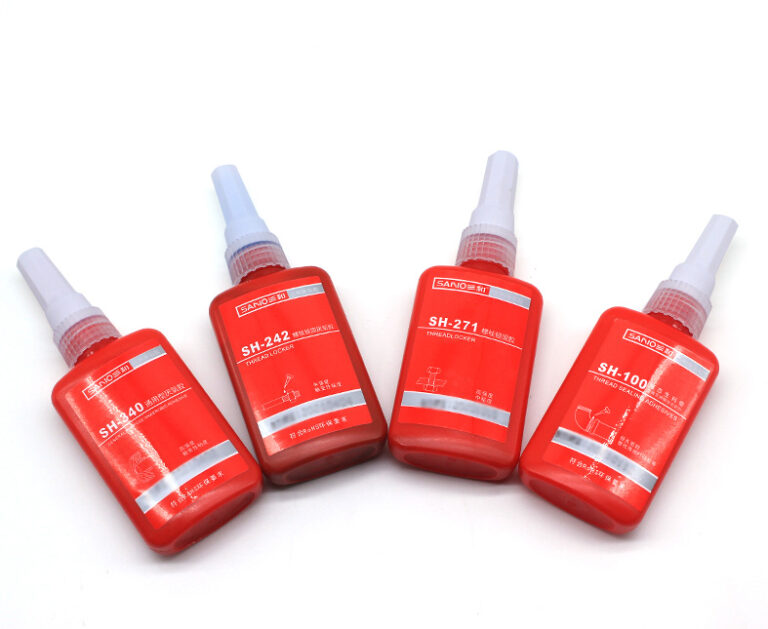
Vibration wears preload away. Corrosion changes surface chemistry. Wrong torque or contaminated threads prevents correct clamp. Incompatible products react. Human error repeats work. The technical problem is rarely a single cause; it’s a stack of small mistakes eroding the joint over time.
Practical priorities for your maintenance program
Start with inspection criteria tied to failure modes. Identify fasteners on vibrating or high-temperature assemblies. Specify treatment per location: low-friction lubricants where torque accuracy matters, anaerobic sealants where leak prevention matters, and medium- to high-strength adhesives where permanent joints are acceptable. Set measurable targets: torque retention after X hours, no visual corrosion, and no leak detected under Y pressure.
Selection rules: how to pick materials
Match product chemistry to the job. Use anti-seize on soft metals exposed to heat. Choose a removable-grade anaerobic for serviceable assemblies and a higher-strength one for permanent joints. Confirm cure time, temperature limits and rework procedure before applying. Review compatibility: some lubricants prevent an adhesive from curing. When in doubt, test on a representative assembly.
Real-world anchor and EEAT
I’ve run maintenance programs across industrial sites for a decade and seen specifications change after field failures. Offshore teams on North Sea offshore platforms often specify a custom threadlocker adhesive to resist vibration and salt spray; that specification comes from repeated OEM recommendations and published maintenance reports for the region. Use standards and supplier datasheets as the baseline. Trust verified lab cure and shear data rather than anecdotes.
Common pitfalls and how to avoid them
Skipping surface prep ruins adhesion. Applying the wrong torque before adhesive cure locks in poor clamp. Mixing different chemistry on the same fastener causes soft joints. Treat these as checklists: clean, apply, torque to spec, hold cure time, document. Training matters — a single technician who skips a step creates repeated failures.
Alternatives and quick evaluations
Use mechanical locking (lock nuts, washers) when you need immediate disassembly without chemical cure. Choose anaerobic threadlockers where vibration and access limit mechanical options. Consider prevailing torque nuts for frequent service intervals. Each option trades ease of service for retention; map that trade-off to the expected service life and failure consequence.
Service schedule and lifecycle checklist
Create intervals based on exposure and criticality. High-vibration, high-risk joints: inspect every 3 months. Moderate joints: 6–12 months. Low-risk: annual. For each interval record torque, visual condition, and treatment applied. Replace rather than rework fasteners that show thread damage or corrosion beyond superficial pitting. Keep a parts log and the product batch numbers for traceability.
Final synthesis
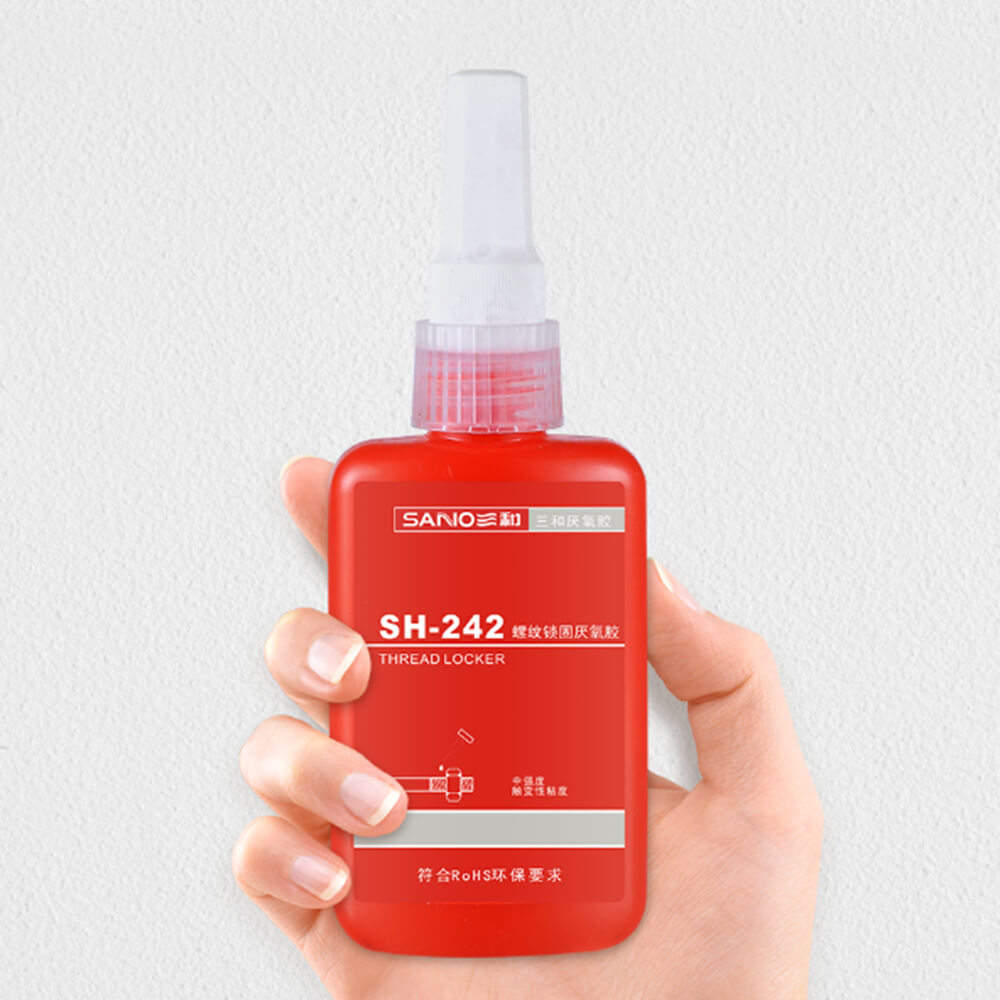
Stop treating fastener failure as incidental. Define the problem, pick materials to suit the exact failure mode, and enforce a short, repeatable service routine that includes prep, correct application, cure verification and documentation. When specifications need a dependable supplier and proven chemistries, consider a partner with product depth and testing data like SANVO to support a maintenance plan that keeps joints fixed and service predictable.