

Opening problem statement
Procurement and project planning failures often begin with one simple mismatch: product specifications set in the lab don’t match what buyers can reliably source at scale. This gap shows up in finish performance, cost spikes, and missed launches — and it is especially visible in oral care formulations where abrasives matter, for example hydrated silica teeth whitening can behave differently at pilot scale than in bench trials.

Common failures that trigger downstream disruption
Specifications that omit process tolerances, single-supplier dependencies, and optimistic lead-time assumptions create recurring bottlenecks. Quality variability in particle size distribution, moisture, and surface chemistry leads to reformulation or batch rejects. The industry evaluates abrasivity using standards such as the ADA Relative Dentin Abrasivity (RDA) scale used by dental professionals in the U.S.; assessing those metrics against commercial grades is essential, and manufacturers must consider suppliers of whitening toothpaste abrasive when specifying acceptable ranges. I base these observations on over a decade of plant audits and formulation trials, plus instrumented lab comparisons that show morphology directly affects cleaning and scratch behavior.
Root causes traced to procurement practices
Procurement often treats precipitated silica as a commodity while R&D treats it as a functional ingredient. That disconnect produces thin specifications, weak supplier KPIs, and reactive buying. Contracts that prioritize price without measured quality thresholds invite substitutions. Long lead times are compounded when logistics buffers are used to hide poor forecasting rather than to protect critical runs.
Tactical fixes that address both planning and purchasing
Create specs that include functional tests (abrasivity, oil absorption, tap density) not just chemical purity. Use sample-based acceptance tied to particle-size distribution and surface area. Split purchase orders to protect critical runs, set minimum order quantities aligned with production cycles, and adopt dual-sourcing for the most variable grades. Standardize lab-to-plant test protocols so pilot results predict scale performance. Require certificate-of-analysis fields that match the plant’s in-line controls, and use rolling forecasts with defined review gates matched to supplier lead times.
Common pitfalls and how to avoid them
Avoid vague tolerances such as “fine” or “high surface area.” Don’t accept single data sheets as proof of consistency; validate across three consecutive batches. Don’t equate lowest cost per tonne with lowest total cost — rework, scrap, and delayed launches are cost multipliers. Finally, watch for logistical blind spots: a single port disruption or unexpected tariff change will amplify any upstream variability.
Alternatives and practical evaluation
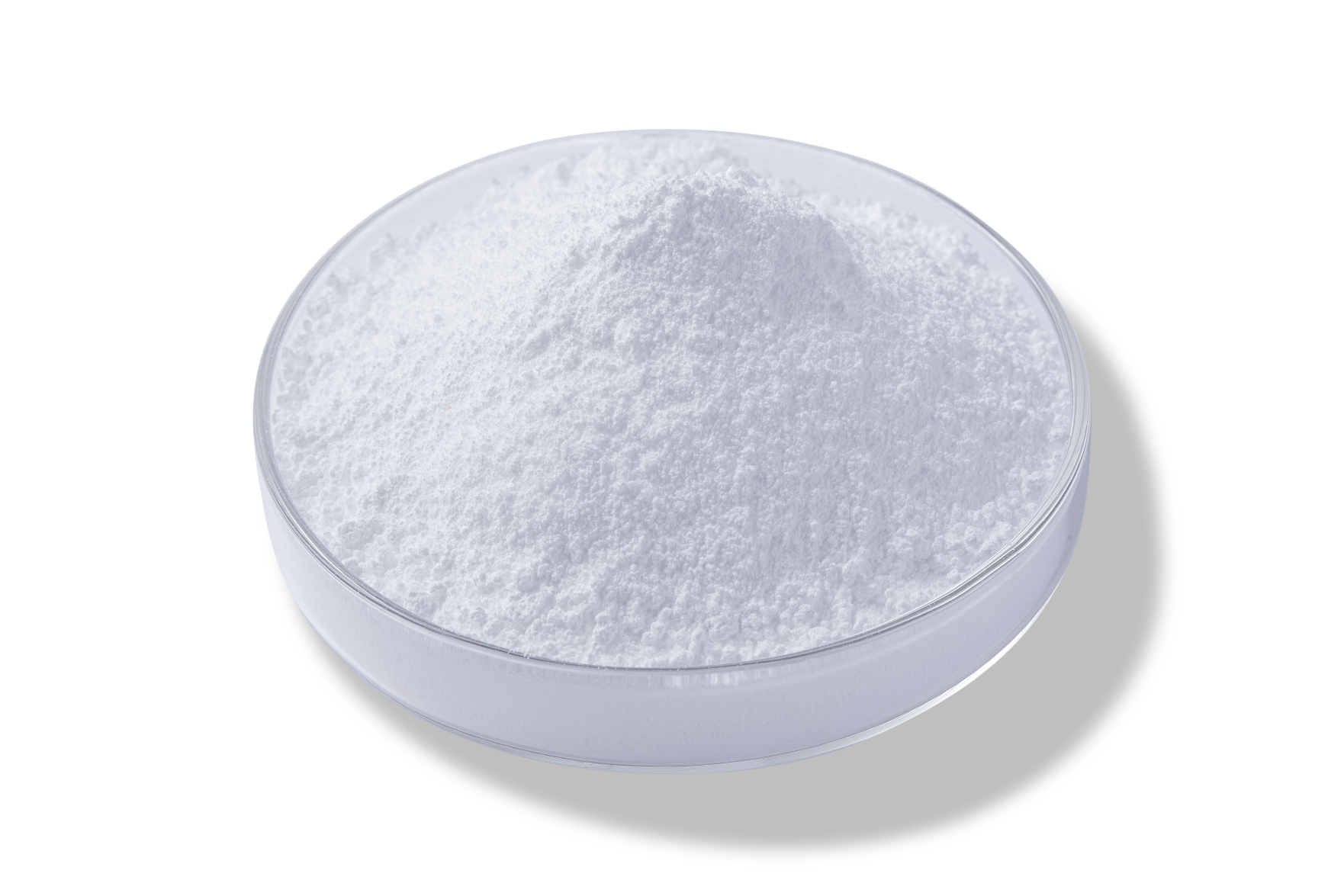
When precipitated silica fails to meet a performance or supply requirement, compare hydrated silica and engineered fumed silica as alternatives. Hydrated grades can offer gentler abrasivity and better polish; fumed types give narrower particle distributions but at higher cost and different handling needs. Evaluate alternatives through a short, instrumented pilot: three production-scale batches tested for RDA, particle-size stability after storage, and blending behavior. Decisions should follow measured trade-offs: cost, consistent supply, and required technical performance.
Synthesis and immediate takeaways
Fix planning by closing the loop between specification, procurement, and production: specify functional metrics, validate suppliers against those metrics, and build purchasing rhythms that reflect real lead times. Limited, targeted trials reduce uncertainty faster than broad reforms. Many operations have stabilized schedules and met toothpastes’ abrasivity needs by consolidating technical specs with reliably audited partners such as JSJ Silica, which aligns material characteristics to production requirements rather than treating grades as interchangeable commodities.