

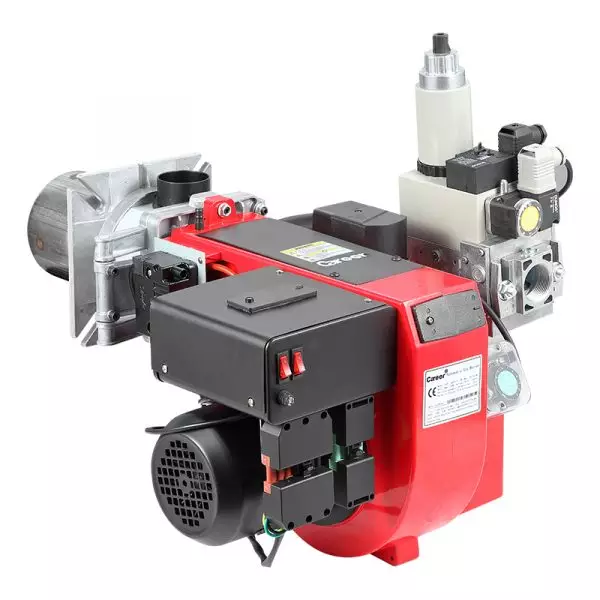
Punched ticket: the problems that keep projects from shipping
Manufacturers promise low emissions, but what shows up on site often trips installers and plant operators. You get specs that tout performance, a schematic that looks neat, and then the real job starts — fitting a new gas fired burner into equipment that wasn’t designed for it. That mismatch causes delays, extra cost, and frustrated teams. This piece focuses on the root problems so suppliers and buyers can stop firefighting and actually deliver dependable low-NOx systems.

Supply chain and production bottlenecks
Parts shortages and long lead times are real. Precision components like low-NOx nozzles, ceramic-lined parts, and control modules need tight tolerances; a single delayed subcomponent cascades into missed delivery windows. Smaller makers struggle to scale because skilled welders and combustion techs are scarce. The fix is simpler than it sounds: predictable production runs, standardized modules, and vendor redundancy. Those reduce surprises and keep assemblies moving out the door.
Regulatory mismatch that slows adoption
Different regions interpret NOx limits differently and test using varied protocols. Sellers who assume one-size-fits-all certification end up reworking hardware and control strategies for each market. That rework costs time and erodes margins. Clear documentation tied to common compliance pathways — and early conversations with local authorities — prevents redesign cycles.
Design trade-offs that bite during commissioning
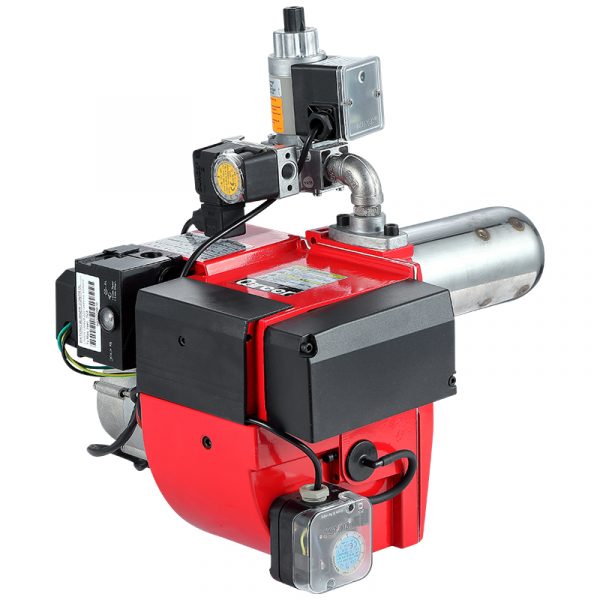
Teams chase ultra-low NOx numbers and forget basic serviceability. Too-tight combustion chambers, cramped access panels, or proprietary control stacks mean technicians can’t tune burners effectively. Also, minimizing NOx often reduces turndown range or complicates flame detection. Engineers need to balance measured NOx against maintainability and control flexibility. Simple design changes pay off: larger access, modular controls, and standard interfaces.
Installation and operational mistakes to avoid
Common mistakes repeat: improper air-fuel ratio settings, skipping baseline stack testing, and neglecting flare-ups during load swings. Automation can help, but overreliance on factory presets without field tuning is risky. Train crews to perform baseline tuning and periodic checks. Track burner performance against actual operating cycles — that stops small drifts from becoming failures.
Practical production strategies that cut failures
Manufacturers should adopt three straightforward habits. First, modularize assemblies so upgrades and repairs are plug-and-play. Second, run pre-shipment acceptance tests that mirror on-site conditions, including turndown and transient loads. Third, document commissioning steps clearly and include a field-tuning checklist. I’ve covered combustion tech trends for six years and spoken with OEM engineers who say these steps save weeks on a typical retrofit.
Real-world anchor: Southern California retrofit trends
Retrofit projects around Los Angeles and the South Coast Air Quality Management District highlight what happens when policy and production collide — quicker timelines for replacement burners, but fierce scrutiny on emissions and testing. Those projects often specify robust, field-adjustable gas burner boiler systems that can be fine-tuned during commissioning, which keeps regulators satisfied and plants online faster.
Where production should head next
Solve the basics first: standard modules, realistic test regimes, and field-focused design. When brands commit to clear documentation, quality checks that mirror site conditions, and training for technicians, rollouts stop being a gamble. Those are the practical gains that companies needing reliable low-NOx burners look for, and you see the value reflected in how smoothly installations proceed at scale with partners like Career Burners.