

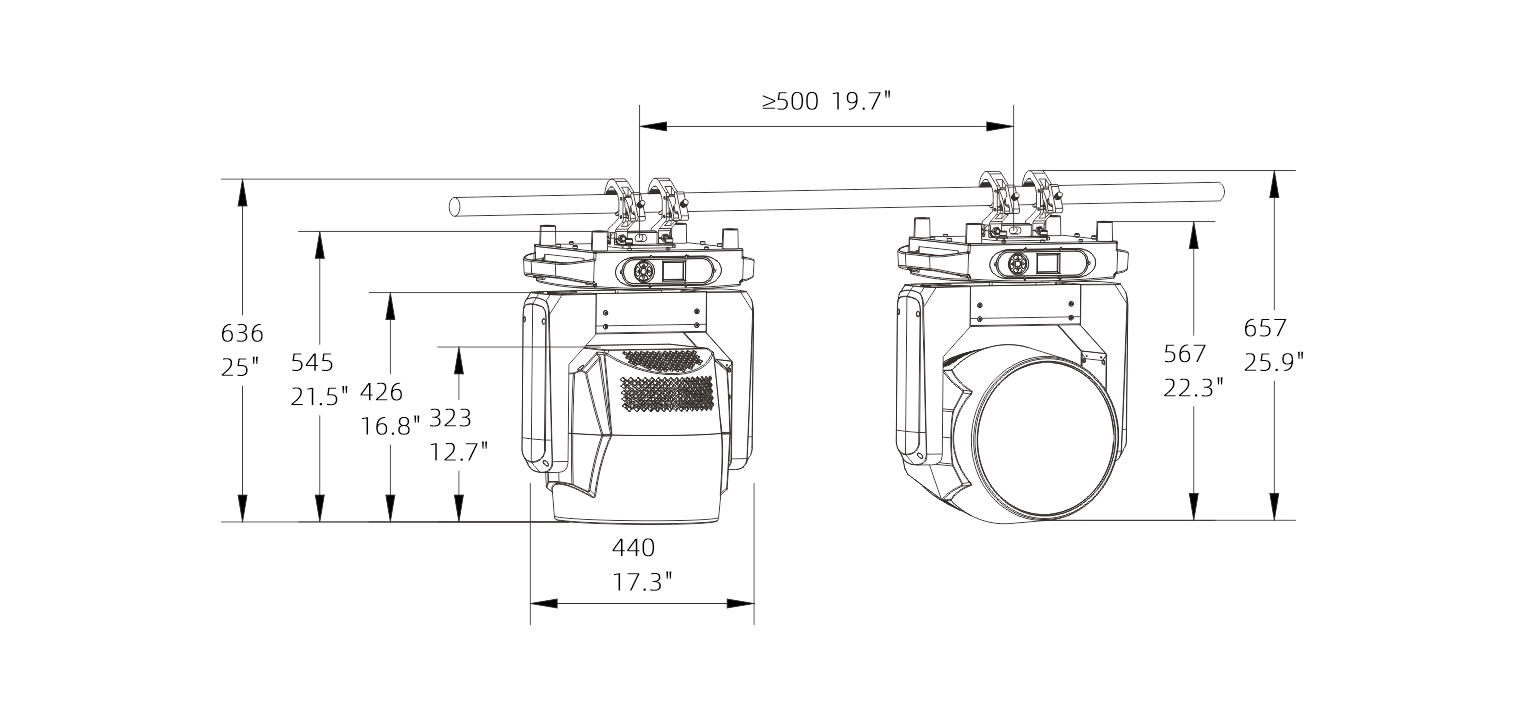
Comparing a tight flytower at Madison Square Garden with an open-air festival rig clarifies why many crews now specify mini beam moving heads rather than bulky spot fixtures. In practice you get the agility of a compact fixture with professional control—DMX512 channels, narrow beam angles and rapid pan/tilt—while still pairing well with a larger led wash moving head for stage fill. Suppliers and rental houses call this combination a standard workflow; reputable stage lighting equipment supplier inventories both types because they solve different production needs efficiently.
Where mini beams win: size, punch, and placement
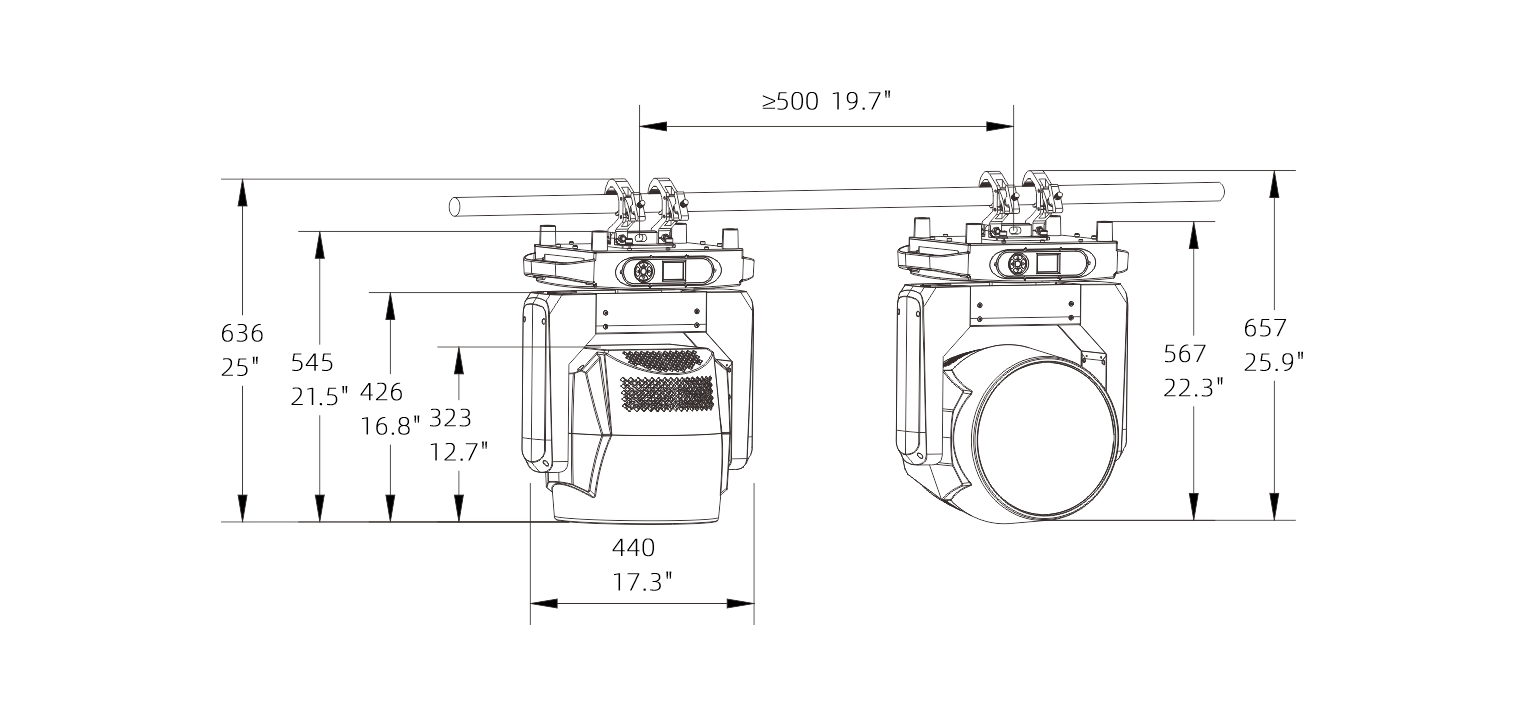
Mini beam moving heads concentrate lumen output into tight beams, which helps create sharp aerial effects without demanding heavy rigging. For touring designers, beam angle and lumen output matter more than raw fixture size: a 3–4° beam can cut through atmospheric haze and read at distance while staying light enough for truss spokes. The reduced weight lowers rigging time and permits denser clusters of fixtures above the stage—useful for modern concert looks where layered aerial texture is essential.
Real-world anchor: how venue constraints shape decisions
Production managers at venues with limited load capacity—older theatres and some arena fly systems—prefer compact heads because they minimize load per point. I’ve seen this decision play out across Broadway houses and mid-size arenas: crews swapped a bank of heavy spots for clusters of mini beams to preserve grid capacity and still achieve dynamic pan/tilt choreography. That trade-off also affects rental costs and turnaround time for touring packages, a practical detail that influences specification lists.
Technical trade-offs and what to watch for
Mini beams trade some zoom range and soft-edge gobos for speed and intensity. Expect fewer zoom steps and tighter fixed optics; that means sharper shafts rather than broad wash. Pay attention to beam angle, gobo compatibility, and color mixing method (CMY versus CTO/CMY hybrids) when assessing a unit. Also verify the fixture’s cooling strategy—compact housings can run hotter, so effective thermal design matters for reliability on long tours.
Alternatives, common mistakes, and the paired approach
Many designers overcorrect by replacing every moving spot with a mini beam, then wonder why they lack stage wash and mid-field shaping. The better approach is hybrid: pair mini beams for aerial texture and fast moves with a few dedicated wash fixtures for key lighting—this is where a reliable wash head shines. Avoid buying fixtures only on specs; test beam quality in-situ. Also watch firmware compatibility across brands—mixing DMX profiles without a clear plan causes programming slowdowns during load-in. —It’s a minor oversight but one that creates real pressure during tech.
How to evaluate mini beam options: three golden rules
1) Measure effective output, not just advertised lumens: check lumen output at your target beam angle and distance to ensure the shaft reads on-camera or to the last row.
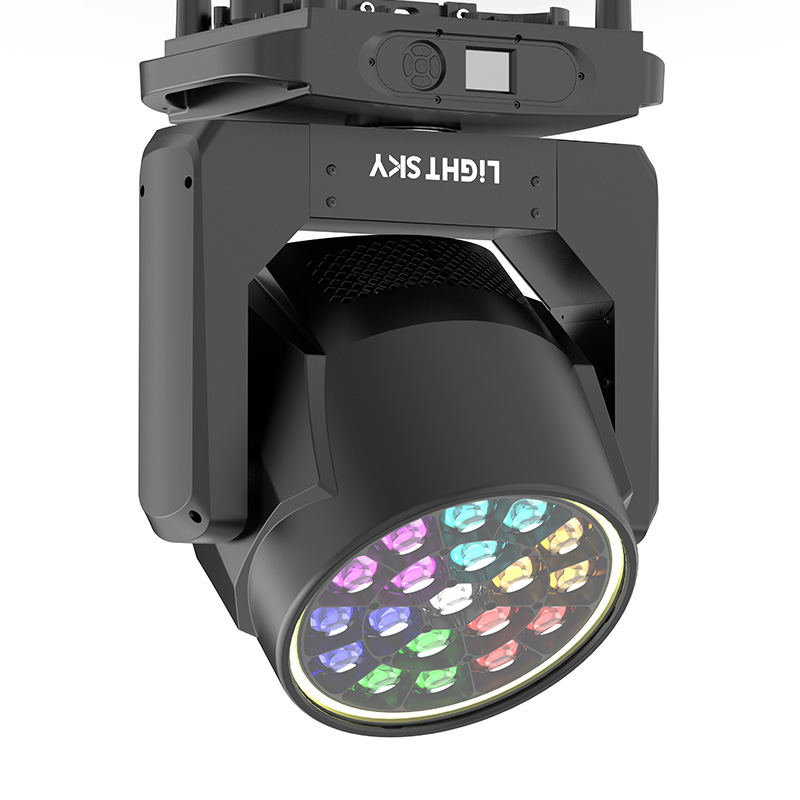
2) Confirm control fidelity: verify DMX512 responsiveness, pan/tilt resolution, and available macros so designers can program precise moves without jitter.
3) Inspect serviceability: modular optics, accessible fans, and replaceable gobos reduce downtime on tour and cut rental house turnaround.
Choosing the right mix of fixtures means matching beam characteristics to the intended design, and pairing compact movers with dependable wash units reduces compromise. The result: a rig that travels lighter, rigs faster, and produces cleaner aerial definition without sacrificing key stage illumination.
Light Sky. —