

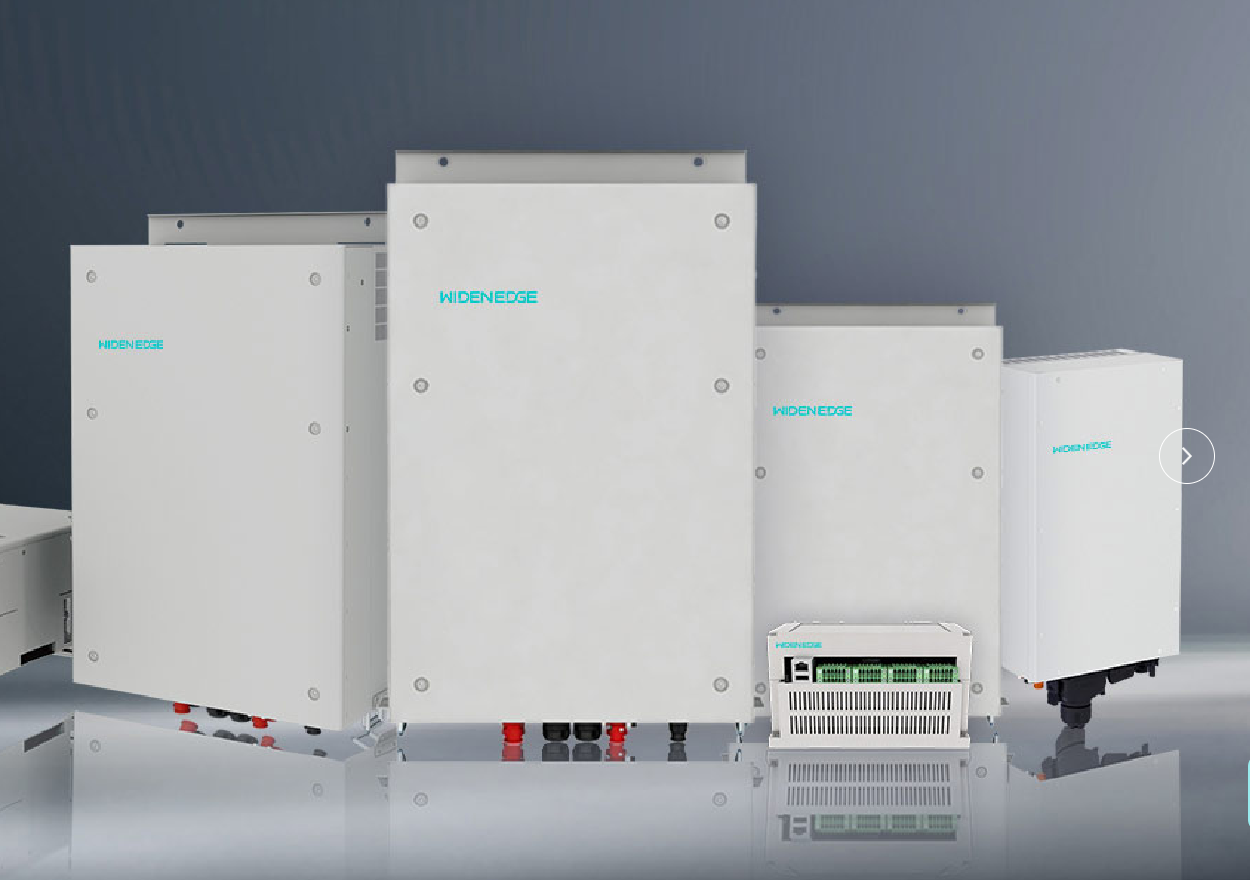
The immediate problem — cost, continuity, complexity
Facility managers face three pressing problems at once: unpredictable demand charges, brief but costly outages, and a confusing marketplace of equipment. Choose poorly and you pay too much; choose well and you cut peak bills and keep production humming. A midsize rooftop array paired with a 45kW solar storage inverter can feel like the obvious fix, yet the path from proposal to reliable operation is full of nuanced trade-offs.
Decision checkpoints that expose risk early
Start here — these are the practical checks that separate useful projects from expensive headaches:- Load profile: measure 15-minute peaks for two weeks; seasonal variation matters.- Objective: is the goal demand shaving, backup power, self-consumption, or ride-through for sensitive processes?- Tariff structure: time-of-use and demand charges change payback math dramatically.- Site limits: available AC coupling points, transformer capacity, and space for battery racks.- Controls and communications: does your building management system accept external setpoints?Address these checkpoints before equipment quotes arrive. They reveal whether a single unit like a 45 kW inverter will do or if you need a modular setup.
Where hybrid inverters fit — and when they’re right
Here’s the problem-driven truth: hybrid inverters simplify control by combining PV conversion and battery management, but they can’t fix a mismatched objective. A common scenario — at a commercial campus in California a facilities team chose a hybrid inverter 45kW to reduce peak demand and maintain limited backup. The hybrid handled automated dispatch and islanding well, yet the site later needed extra battery capacity because initial sizing prioritized peak shaving over sustained backup. That experience is typical: hybrids are excellent where integrated control and compact footprint matter; they’re less ideal if you anticipate frequent deep discharge cycles or want separate scaling of batteries and inverters.
Sizing rules of thumb and technical sanity checks
Make sizing concrete:- Inverter rating: continuous output should meet peak loads you intend to shave; a nameplate 45 kW must be matched to real measured peaks, not estimates.- Battery capacity: choose kWh based on hours of service—two hours for peak shaving, four-plus hours for extended backup. For many commercial sites that means 60–200 kWh.- Chemistry and lifecycle: lithium-ion is the mainstream choice; expect thousands of cycles, with usable round-trip efficiency typically in the mid-80s to low-90s percent.- Thermal and BMS: insist on active cooling or validated passive thermal management and a robust BMS with cell-level monitoring.- Certifications: verify grid-interconnect standards and UL/IEC ratings that apply to your jurisdiction.These checks prevent overspecification and avoid the “looks good on paper” trap.
Common pitfalls and how to avoid them
Watch for these recurring mistakes:- Overreliance on vendor run-time estimates without independent load data.- Ignoring transformer and breaker limits; inverter clipping can cause nuisance trips.- Assuming software features; confirm scheduling, state-of-charge windows, and remote diagnostics in writing.- Skipping commissioning acceptance tests that validate export limits and islanding behavior.Plan explicit acceptance criteria tied to actual load traces and site tests to keep projects on schedule and within budget.
Alternatives and pragmatic trade-offs
Don’t assume one architecture fits all. Consider:- Separate inverter + battery charger: offers independent scaling, easier replacement.- Central inverter farms: lower cost per kW at scale, but single-point failure risk.- Modular stacked inverters: graceful degradation and simple maintenance.Trade-offs are concrete: modular systems simplify maintenance; central systems reduce initial cost but concentrate risk. Choose based on your tolerance for downtime, maintenance resources, and long-term upgrade needs.
Final synthesis — a clear, practical outcome
Your decision should resolve a precise operational problem with a tested technical approach. If you need compact integration, automatic dispatch, and straightforward commissioning, a well-specified 45 kW hybrid solution often fits. If you need long-duration backup or separate upgrade paths, favor decoupled systems. Use measured load data, insist on explicit acceptance testing, and require a BMS that reports clearly to your operations team. The result is a dependable installation that meets cost and continuity goals, and for many facility managers that dependable result is what they find when they work with WidenEdge.