

Problem-first diagnosis
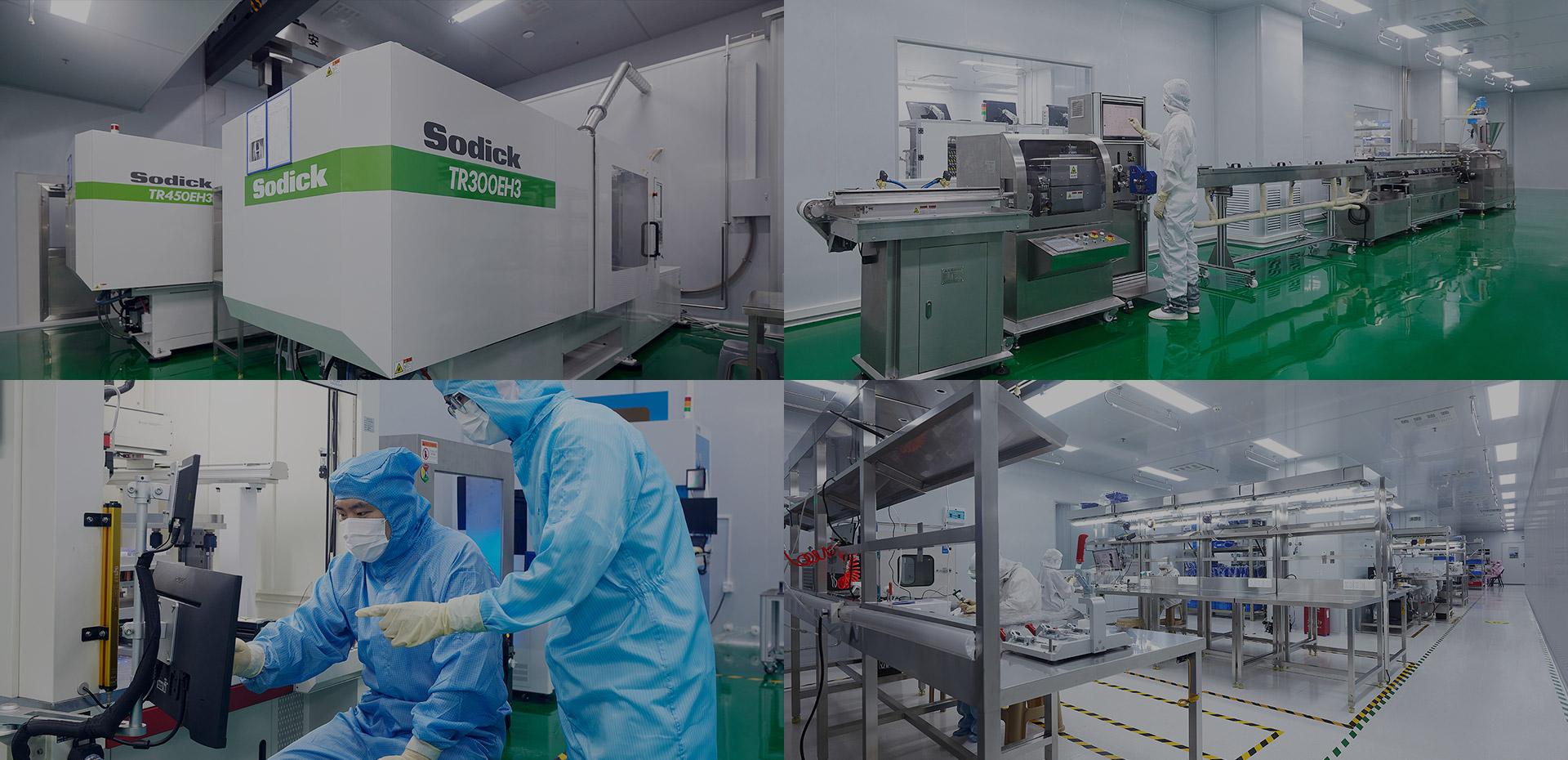
I start with the failure: a functioning concept collapses on the production floor because an unseen tolerance, an electrical ghost, or a sterilization mismatch wasn’t caught early. The core problem isn’t imagination—it’s translation. You can sketch perfect form and write elegant firmware, but if the assembly handoff fails, the device never reaches patients. That handoff lives on the medical device assembly line, so treat it as part of your prototype from day one.
Where prototypes break down
Most failures fall into predictable buckets: mechanical tolerances that drift under load, connectors that fatigue after a few cycles, EMI that surfaces only in a crowded clinic, and materials that react to sterilization. Software timing bugs hide behind hardware jitter. Usability issues remain invisible until a clinician performs tasks at speed. Identify which bucket threatens your device first, and you get leverage.
Concrete steps to test and iterate
Start with pass/fail criteria tied to the real use case. Make a one-page test matrix: exact tolerances, required battery life, expected drop heights, thermal limits under sterilization, and a simple user task completion metric. Build test rigs that replicate forces and rhythms, not ideal lab conditions. Use environmental chambers for thermal and humidity cycles, run accelerated life tests, and automate repetitive stress where possible so engineers focus on analysis, not monkey work. Log everything in traceable records that map back to design decisions.
Experience that matters and a practical toolset
I’ve overseen dozens of prototype validation cycles in ISO 13485 settings and follow ISO 10993 and IEC 60601 where relevant. Industry shows and benchmarked demonstrations offer useful context; at IPC APEX EXPO in San Diego manufacturers demonstrated how automated feeders and placement accuracy reduce assembly variance, a valid point when choosing automation for small runs. When you evaluate line automation, consider an actual pick and place machine to reduce human-induced variation in PCB placement and small-feature assembly. That concrete hardware choice often separates reproducible prototypes from one-offs that can’t scale.
Common pitfalls and how to avoid them
Don’t assume a prototype’s appearance means it’s production-ready. Avoid these mistakes: skipping full-cycle sterilization tests, trusting hand-soldered boards for EMC performance, ignoring connector mating cycles, and postponing human factors until after bench validation. Fix tolerance stacks early by building fixtures and jigs to validate mating parts. Validate firmware under intermittent power conditions. Use real users for quick usability runs; a five-minute task with a clinician reveals problems that weeks of lab bench tests miss.
Assessing alternatives and trade-offs
3D printing accelerates fit checks but rarely matches final material properties; rapid injection molds give production-like parts but cost more and slow iteration. Outsourced small-batch injection molding buys repeatability but needs upfront tooling validation. For electronics, hand assembly lets you debug quickly; early transition to automated assembly is essential before design freeze. Choose the approach that reduces the dominant risk first—manufacturability, biocompatibility, or electrical safety—then optimize for cost and speed.
Synthesis: practical value realized
Solve the single biggest production risk first, bake assembly realism into prototypes, and validate with repeatable tests that mirror real use. That approach shrinks surprises and speeds decisive iterations. When your prototype logic, test rigs, and assembly strategy align, production becomes a predictable outcome rather than a gamble, the exact kind of integration kingsin provides across design, testing, and line-level execution.