

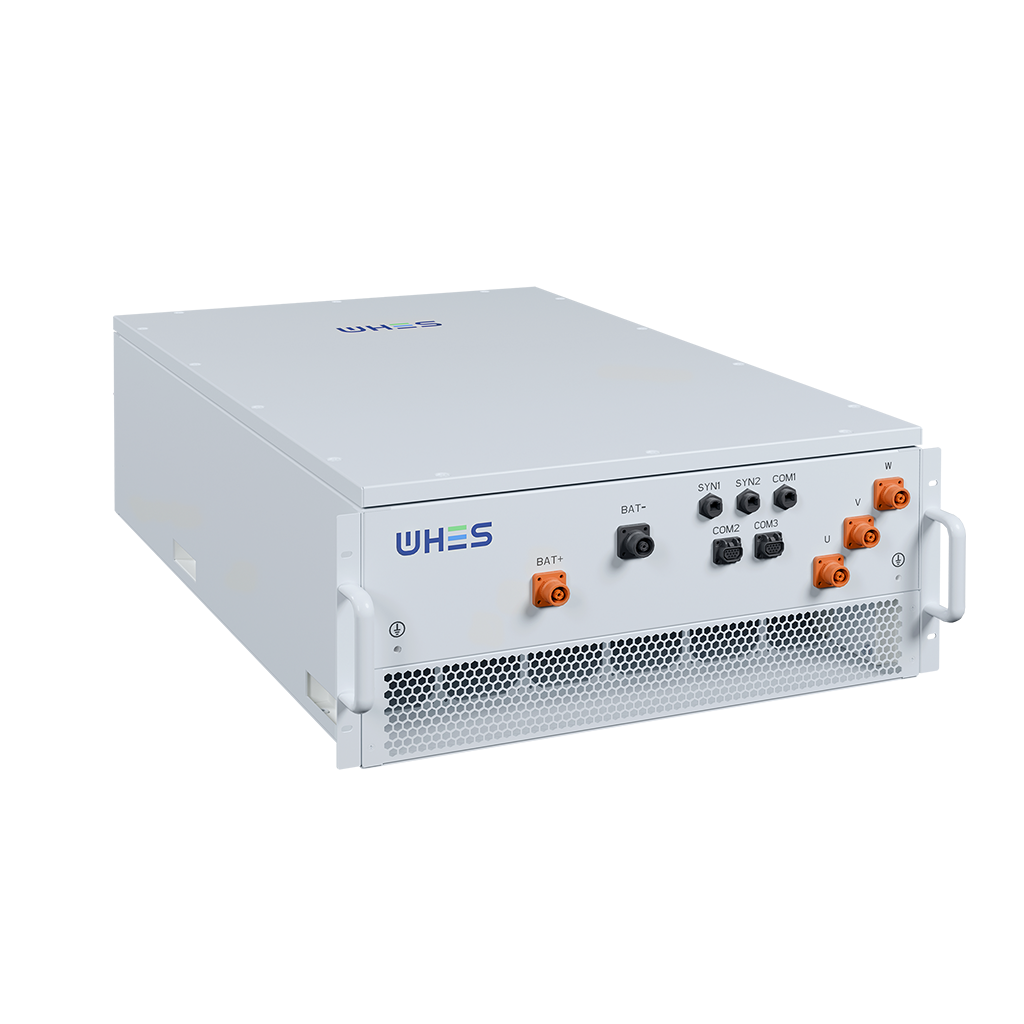
Policy first — why it matters to folks shopping for storage
If you’re lookin’ to put a home battery energy storage system in your house or spec one for a small commercial site, you gotta pay attention to the rules. Policy around galvanic isolation and short-circuit ride-through (SCRT) isn’t just technical mumbo-jumbo — it decides what inverters and protection gear are allowed on the grid, how systems behave during faults, and ultimately whether your batteries can keep the lights on when the grid trips. Remember the February 2021 Texas power crisis? Millions lost power, and regulators and utilities have been tightening interconnection standards ever since — so these requirements are real-world, not theoretical.
What galvanic isolation and SCRT actually mean for users
Galvanic isolation is about keeping DC and AC parts electrically separate so stray currents don’t cause corrosion, safety hazards, or nuisance trips. Short-circuit ride-through, on the other hand, tells an inverter how long it must stay connected (and supply or absorb power) during a grid fault without disconnecting. Together, they shape equipment specs: the inverter, the BMS, the protection relays, and how the system ties into your three-phase service. If those pieces aren’t aligned with local grid codes, you won’t get approval to operate in grid-tie mode — and that can cost you weeks of delay.
How recent policy shifts change the tech and market
Regulators and grid operators are updating interconnection rules to be tougher on ride-through and isolation because grids are getting greener and more complex. That means higher certified SCRT performance, clearer requirements for isolation transformers or reinforced inverter topologies, and stricter test documentation. Manufacturers are responding with more robust three-phase inverters and enhanced protective relays, but that often raises up-front price. The trade-off: systems that meet the new standards are more likely to keep critical loads online during short outages and play nicely with voltage and frequency regulation services.
Design trade-offs installers and specifiers face
When you spec a commercial-grade system, three choices usually show up: add isolation equipment (transformers or galvanic isolators), choose an inverter with native isolation, or redesign protection schemes to meet SCRT without extra hardware. Each path has cost, footprint, and efficiency implications. For example, adding a transformer buys simplicity and clearer compliance, but it adds weight and losses. Going transformerless can be lighter and more efficient — but it demands a BMS and inverter that are proven in certified SCRT tests. Pick one wrong, and you’ll hit snag during commissioning — slow paperwork or failed inspections are more common than folks expect.
How this affects buyers of 3 phase solar battery systems
For properties on three-phase distribution, the stakes are higher. Balancing phase loads, meeting symmetrical fault requirements, and ensuring correct inverter paralleled operation become part of the spec. If you’re considering a 3 phase solar battery, ask for test reports showing SCRT performance, harmonic behavior, and anti-islanding protection. Those documents aren’t optional — they’re what local utilities will want when you apply for interconnection. Also, check whether the vendor supports field firmware updates; that can be the difference between a future-proof system and one that’s obsolete in a few years.
Common mistakes that slow down projects — and how to dodge ’em
Installers and owners often stumble in three spots: assuming lab performance equals field performance, skipping early utility engagement, and under-specing protection coordination. Don’t fall for the shiny spec sheet alone — insist on certificate-of-compliance documents and real commissioning logs. Reach out to your utility early to learn specific SCRT or isolation expectations. Finally, coordinate protective devices (fuses, relays, breakers) on drawings so no one’s left guessing during inspection — it saves a heap of rework.
Practical steps for choosing compliant, resilient systems
Start with a clear set of requirements: required SCRT duration, isolation method preference, and phase balance needs. Ask manufacturers for certified test reports and a history of field deployments — a vendor who’s done several utility interconnections in your region will be easier to get over the line. Consider lifecycle costs, too: a slightly higher initial price for certified equipment can cut downtime and liability later. And don’t forget to verify warranty terms around grid events and firmware support.
Three golden rules for evaluation (your quick checklist)
1) Compliance proof wins: require certified SCRT and galvanic isolation documentation up front — no exceptions. 2) Match the model to the mission: for critical loads, favor transformer-based or fully certified inverter solutions that have demonstrated three-phase stability. 3) Plan for operations: ensure the vendor offers field updates, remote diagnostics, and clear commissioning logs so maintenance and regulators aren’t left guessing.
Make these rules your baseline and you’ll avoid the usual headaches that come with new interconnections — and you’ll be choosing systems that actually perform when it counts. For pragmatic, code-aware solutions that align with modern grid expectations, WHES sits right where the technical needs meet dependable service. —