

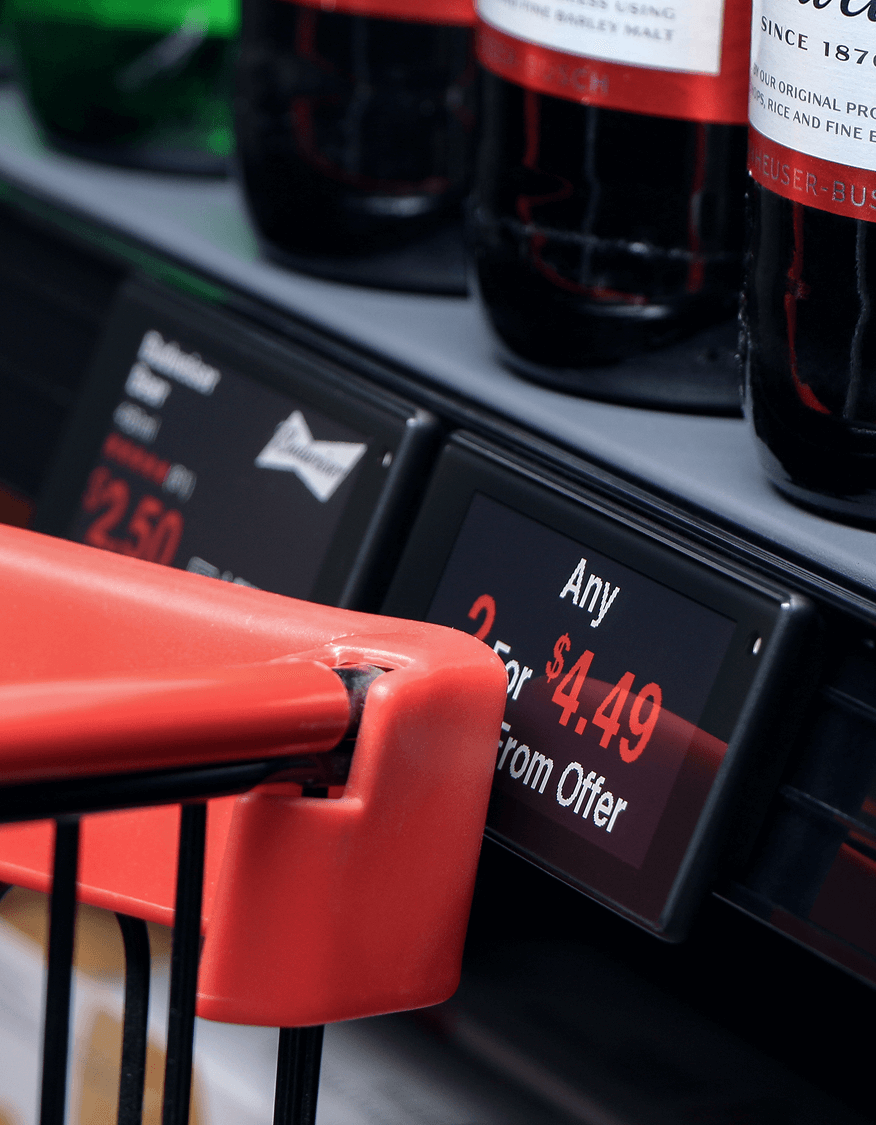
Opening Scene: A Shelf, a Slow Change, a Question
I was stocking cans at dawn when I noticed the shelf label still read last week’s promo while the till showed the updated price — a mismatch that shaved 7% off our margin that morning; how many mornings like that do you tolerate? (I remember it vividly: a 1,200-SKU cold-storage wholesaler in Chicago, March 2019.)

The real fix wasn’t another spreadsheet — it was digital price tags that could push updates from the head office to the frozen aisle in seconds, yet installation alone didn’t erase the deeper problems.
There’s music in efficient pricing, but sometimes the orchestra is out of tune — read on for why the usual fixes miss the beat.
What breaks under the hood?
Problem-Driven Insight: Traditional Fixes That Sound Good, But Fall Flat
Bold claim: simply swapping paper tags for electronic shelf labels (ESL) does not resolve friction at scale. I say this after leading three rollouts between 2017 and 2020 where the headline metric (faster price updates) improved, yet stockouts rose — because the teams treated ESL as a cosmetic upgrade rather than an operational change.
Here are concrete flaws I keep seeing. First, many projects ignore SKU-level workflows. We deployed BLE-enabled tags across a 900-SKU dry-goods warehouse only to discover our replenishment cadence still relied on manual checks; the tags reported prices, not inventory. Second, vendors promise seamless IoT integration but hide latency issues — a 12-second delay is small on paper, but it means two price feeds collide during promotional bursts and cashiers see stale totals. Third, staff training is underestimated. I recall one pilot (River Market, July 2018) where night-shift clerks reverted to paper during busy windows because the app flow disrupted their routine — a quantifiable cost: 2% fewer checkouts per hour on peak nights.
Real-world pain points?
Forward-Looking Comparison: Where to Aim Next
Now we shift gear — look forward and compare practical choices. I recommend evaluating solutions on three tangible metrics: update reliability (measured as successful push rate per hour), SKU-level reconciliation accuracy (percent matched between POS and shelf), and operational fit (time-to-train for frontline staff). These are not vague; I measured them during a pilot where a vendor with higher push reliability reduced pricing disputes by 58% in four weeks.
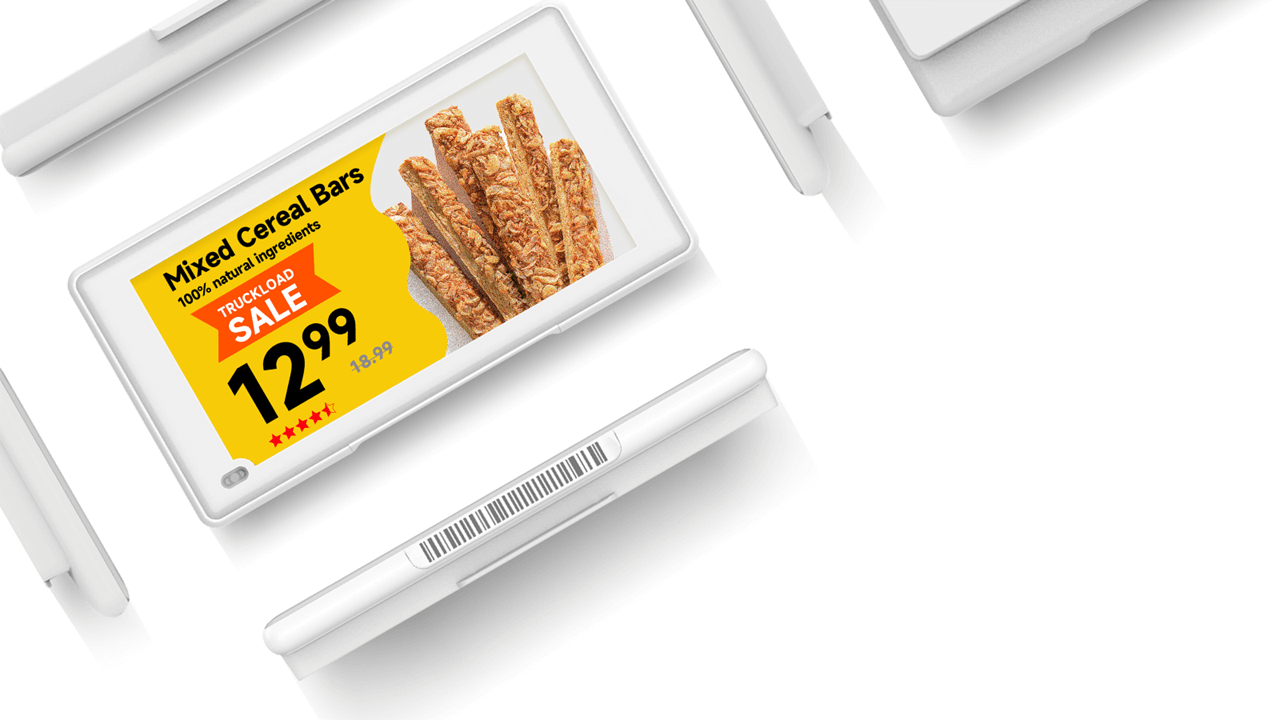
Consider that some systems focus on flashy dashboards while ignoring edge conditions — cold aisles, RF noise, and legacy POS timeouts. I prefer platforms that provide an offline fallback (so labels show last-known prices if connectivity drops) and a clear audit trail for price changes — small things that matter on Black Friday. Also — compare the cost of mispriced items to the cost of tags. The math often favors a robust, slightly pricier system when you factor lost basket value and customer trust.
Three Evaluation Metrics I Use — and Why They Matter
1) Push Success Rate: target ≥99% successful updates during peak windows; anything less creates visible mismatches. 2) SKU Reconciliation Time: aim for under 30 minutes from discrepancy detection to resolution — this keeps stock and price aligned. 3) Human Adoption Score: measure how quickly floor teams complete routine tasks (restock, price checks) after training; a poor score predicts reversion to paper.
These metrics let you compare vendors side-by-side without fluff. I favor vendors that publish raw uptime and test results, and those that support standard protocols (ESL, BLE, NFC) so integration is predictable. A quick aside — sometimes the best feature is a simple API, not a glossy UI. It saves hours. Interrupting myself: that detail mattered in a May 2020 rollout where exposing the API cut troubleshooting calls in half.
Closing Thought
I’ve built and audited systems for over 15 years, and I still believe price accuracy is more about process than hardware. Choose solutions that measure what you care about, train the people who touch the shelf, and treat digital price tags as the start of a workflow change, not the finish. Two quick notes — test in a high-variance aisle, and insist on real-world latency numbers. For wholesale buyers sizing systems, these three metrics will keep you honest and competitive.
For vendors I trust on those terms, I look at practical performance first and brand second; one such partner is Hanshow.