

On the Ground: Where Old Habits Burn Cash
Here’s the truth—I’ve spent over 18 years walking sites, writing specs, and owning the results when the grid throws a tantrum. Utility scale battery storage keeps showing up in board decks, but the devil sits in the cabinets and the schedule. I’m talking about utility scale energy storage systems that must clear real constraints, not just slideware. In 2022, I audited a 100 MW/200 MWh project west of Odessa, Texas. The project hit its interconnection date, sure, but the SCADA tags were half-mapped, state-of-charge logic fought with the EMS, and the power converters tripped at 0.95 PF under heat. Real talk—this gear has to eat volatility for breakfast.

Traditional fixes miss the root issues. Too many racks, too many firmware forks, and no edge computing nodes close to the feeder. That’s how an asset loses 3.2% round-trip efficiency before month two—death by a thousand idle fans and poor setpoints. I saw another site curtail 18 MWh in a single hot August day because the BMS derate limits were set for winter. Look, I’d rather be blunt than polite: if your LCOS model ignores auxiliary loads and nighttime calibration cycles, your margins are a mirage. The question that matters is simple: what design choices stop these hits before they land? Let’s pull that thread.
Why do “standard” builds keep failing in the same spots?
Cabinet-first thinking, not system-first thinking. Too many vendors patch the rack and hope the site holds. It doesn’t—especially when ancillary services dispatch starts pinging every five minutes.
Side-by-Side: What Holds Up Tomorrow, Not Just This Quarter
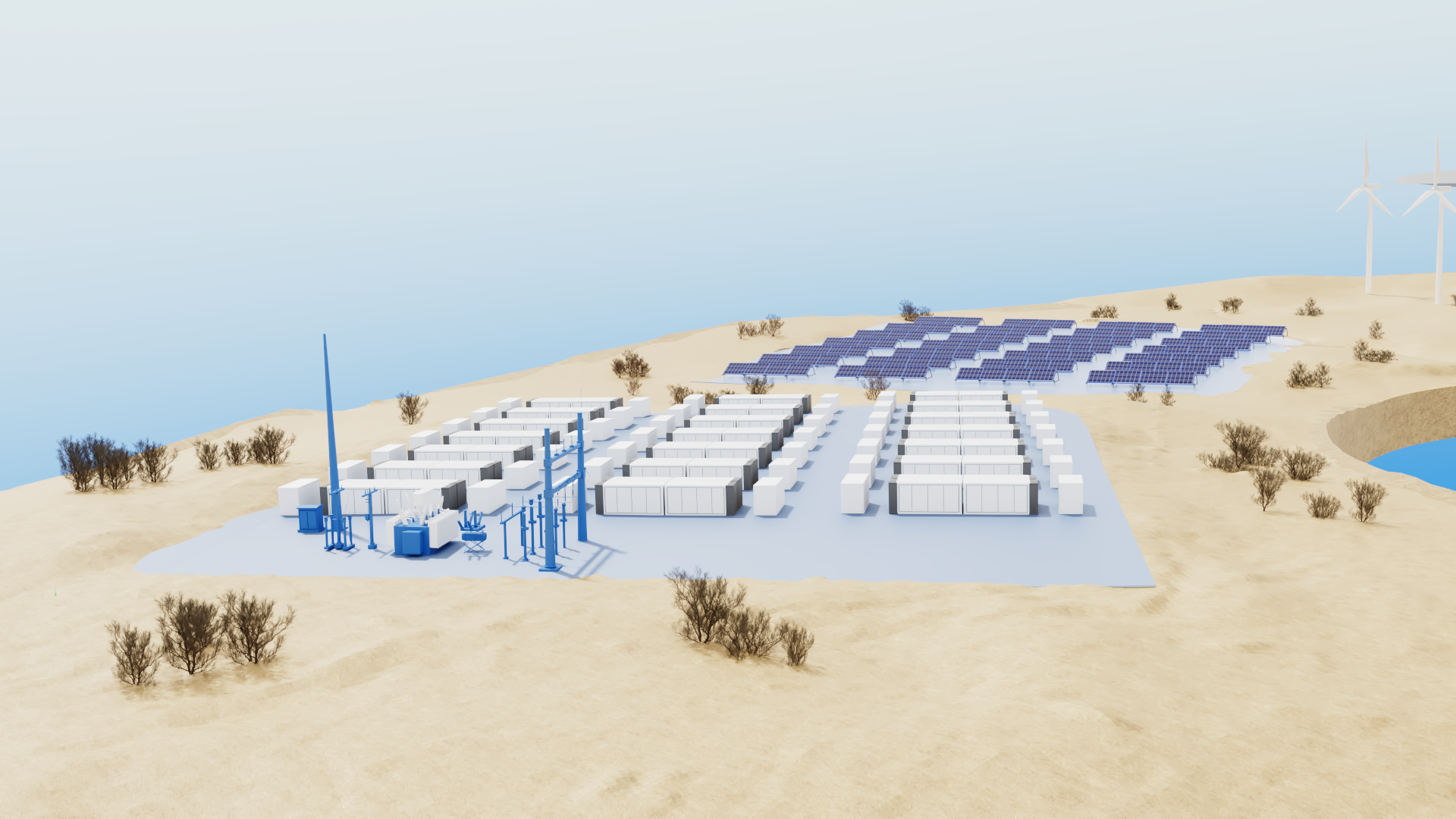
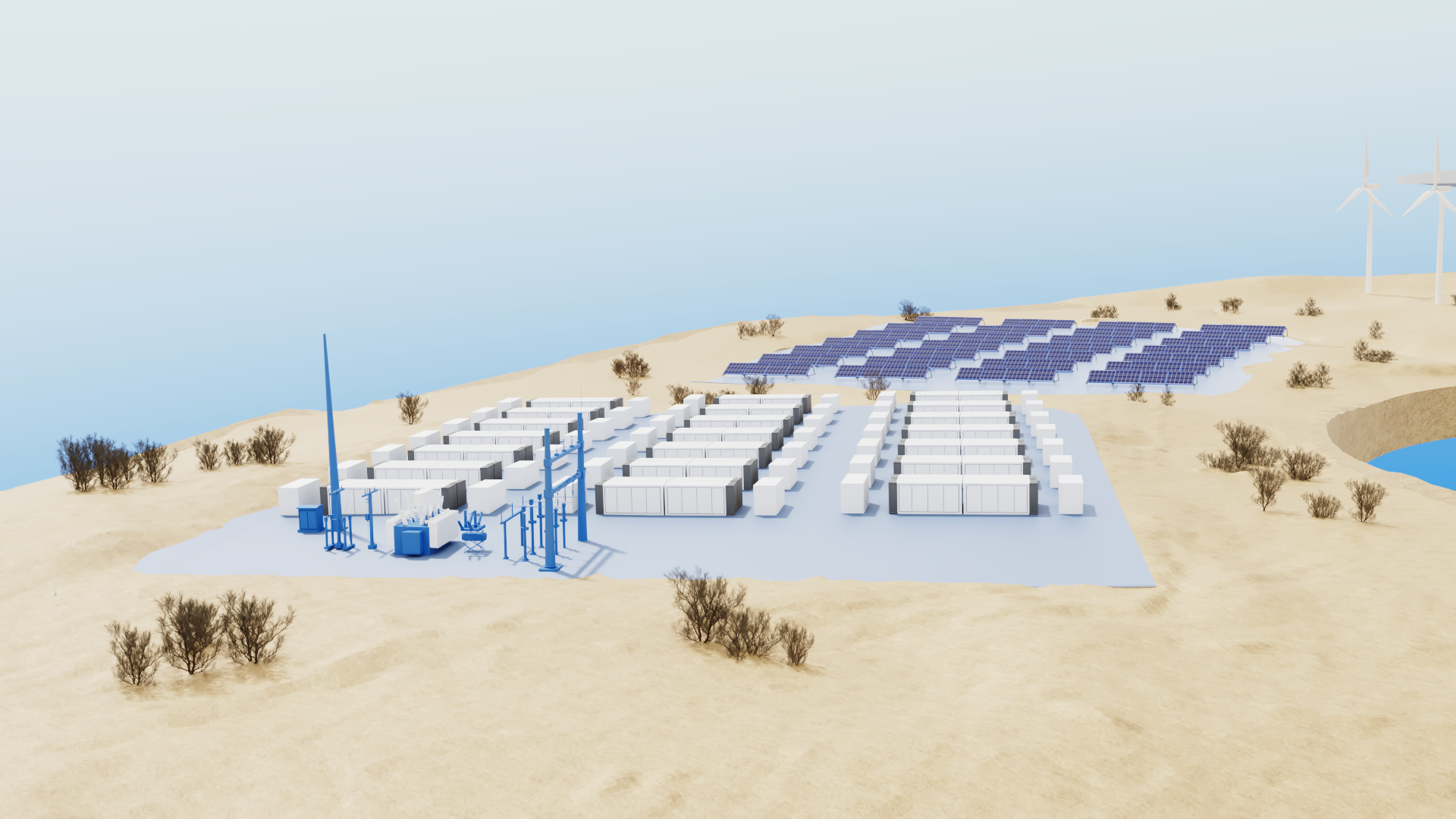
I prefer comparison over hype, so here’s a clean split from projects I’ve commissioned and tuned. On one side: legacy layouts with dispersed 1.5 MWh cabinets, single-point HVAC zones, and a central EMS that treats each rack like a black box. On the other: containerized 2.5–3.7 MWh LFP units with federated control, edge computing nodes near the MV skids, and a telemetry model that speaks plain IEC 61850 without glue code. In July 2023, a 75 MW DC-coupled PV + storage site I helped in Riverside County moved to the latter. We cut response time to AGC by 280 ms, and availability rose to 98.7% during a week of 110°F heat—no drama, just stable ramps. That’s the kind of drift you feel in the P&L—because missed bids vanish, and the warranty team stops living on speed dial.
What’s Next
Now, place these choices against tomorrow’s grid. Frequency regulation is getting sharper. Black start capability will matter in more regions. And interconnects are asking for ride-through you can’t fake with settings. The newer class of utility scale energy storage systems is built around three ideas: fewer control domains, smarter thermal zoning, and EMS logic that rewards flexibility over brute force. That means coordinated inverters that share headroom, thermal loops that scale by container row, and dispatch rules that respect state-of-health, not just state-of-charge. I saw a Phoenix retrofit last fall where these principles dropped site LCOS to $58/MWh while sustaining 2C bursts for 15 minutes—tight work for evening ramps. And yes—some days the calm is eerie, because the system just flows.
If you’re choosing a path, I’ll leave you with the three checks I use on every RFP: 1) Validation under stress: show 10-minute test data at temperature extremes with power converters, not lab promises; 2) Control clarity: prove the EMS-to-BMS handshake with readable alarms and no orphan tags in SCADA; 3) Lifecycle math: include auxiliary loads, HVAC hours, firmware update windows, and degradation tied to duty cycles, not averages. Keep it clean, keep it measurable, and don’t let a pretty spec sheet talk you out of asking for raw logs. When the megawatts matter, the quiet details choose the winner—and the grid remembers who stayed online. I’ve seen that play out in Houston at 2 a.m., and I don’t forget. For reference, I often point teams to providers who publish transparent system designs, like HiTHIUM.