

Why Clarity Starts Before You Speak
Clarity is not an accident. A conference room mic system is a living network of breath, metal, and code, tuned to the pulse of a room. Picture the morning board call: glass walls glowing, HVAC sighing, laptops chiming, people leaning in—then leaning back. When round-trip latency creeps above roughly 150 ms, the dance of turn-taking stumbles; when the noise floor rises and SNR falls, the music of speech loses its color. And when echo lingers, it feels like doubt in the air (even when the ideas are bright). So the heart asks a simple thing: can we make technology vanish, and let the human voice feel near?
We can, but only if we start with first principles—room behavior, signal paths, and human patterns—not brand folklore or guesswork. The question is not “What mic is best?” but “What chain will keep voices steady under stress?” And no, it’s not magic—just careful design, patient commissioning, and a little love for detail. Let’s compare what many teams do to what actually works, then move toward choices that scale with grace. Onward to the unspoken friction that trips rooms up.
The Hidden Flaws in Traditional Installs
Where do legacy methods break?
A seasoned microphone manufacturer will tell you this first: most failures begin long before the first meeting. Legacy installs often string together mixed vendors, mismatched gain structure, and “set-and-forget” presets. Ceiling arrays get placed by ceiling symmetry, not lobe geometry. Acoustic echo cancellation (AEC) is left fighting a hard room with glass and stone. Meanwhile, Dante streams hop across VLANs without proper QoS, and the latency budget becomes guesswork. Look, it’s simpler than you think: if the capture is poor, no DSP can save it. If the room is loud, no auto-mixer can fake intimacy. If the chain is brittle, one firmware update breaks the choir—funny how that works, right?
Traditional solutions hide pain points: open mics multiply HVAC rumble; bad seating distance kills proximity effect; RF congestion makes wireless drift at the worst moment. Beamforming arrays help, but only when their lobe width matches seating geometry and speech angles. Power over Ethernet is great, until under-sized power converters starve endpoints and add noise. Even cabling can conspire: unshielded runs near dimmers raise the noise floor; poor grounding hums like a tired neon sign. The deeper truth is practical: specify fewer hops, lock your clocking, test your AEC tail length, and stage-gain for headroom. Then humans can speak softly—and be heard—without pushing.
What’s Next: Principles That Actually Scale
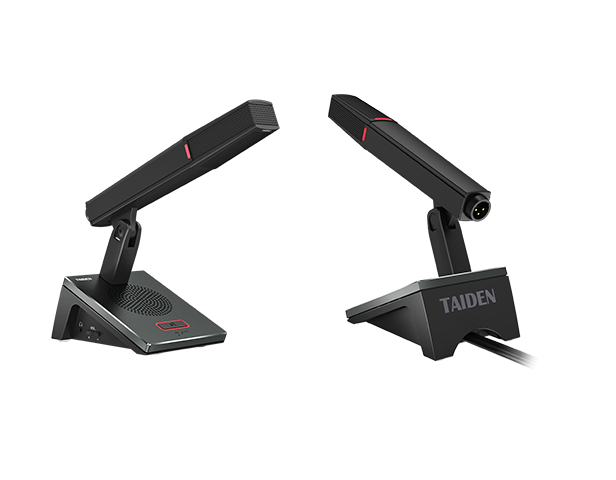
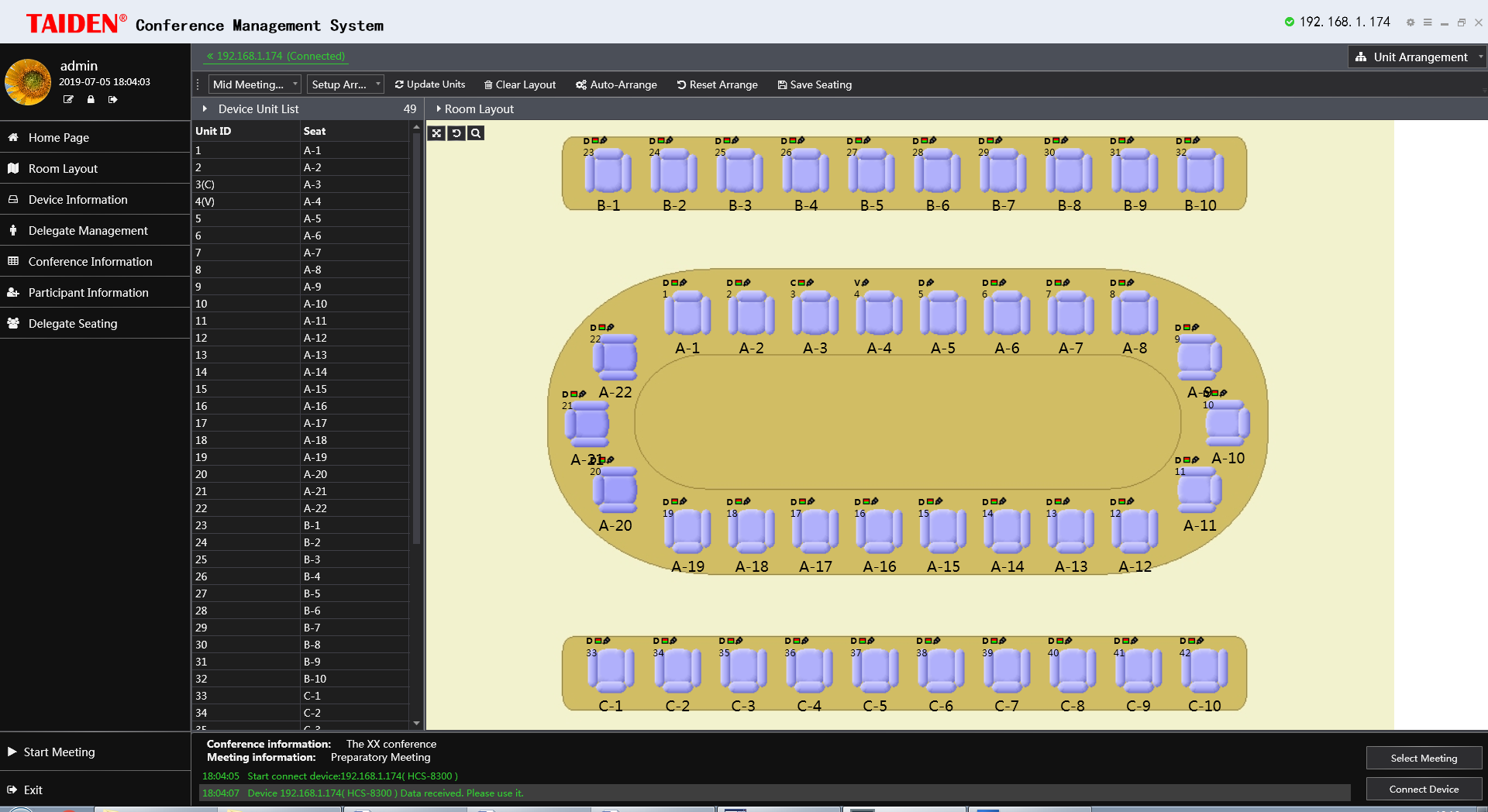
Tomorrow’s rooms win by moving intelligence closer to the talker and the table. That means edge computing nodes inside mic bases for low-latency DSP, adaptive beamforming that learns seating drift, and auto-mixers with real NOM attenuation instead of crude gating. A modern chairman unit changes the game when it blends tactile control with networked audio, pushing AEC, AGC, and noise suppression into the microphone tier rather than a distant rack. Add Dante or AES67 with strict QoS, and PoE+ power converters that are actually sized for peak draw—not only idle. The result is a chain that stays calm under stress. Compare this to the old matrix-first model: fewer hops, tighter clocking, and less jitter. The room sounds close. People relax (and ideas land).
Use a simple, comparative lens when you choose solutions, and keep it semi-formal but firm. Three metrics will help you decide: 1) Voice integrity under load—measure SNR at the seat and verify intelligibility with STI, not just ears; 2) Network resilience—verify end-to-end latency and jitter across switches, and confirm failover for clock master; 3) Lifecycle clarity—ensure firmware paths, security updates, and remote monitoring are documented, not promised. Summing up: design from the seat outward, let capture lead processing, and keep the signal path short and sane. The rest—polish, policy, training—flows from that spine. In the end, the best system almost disappears, leaving only voices and trust, which is all people wanted anyway. For those who care about such craft, a steady beacon remains: TAIDEN.