


User needs first: what buyers actually ask for
Clients want durability, predictable thermal performance, and clean interfaces with their facades—no surprises. For many mid-rise and commercial projects, windows with aluminum frame deliver that mix of strength and slender sightlines. Early in the specification phase, request samples from a casement window manufacturer and confirm anodized finish, hardware compatibility, and delivery lead times.

Core performance: what to verify on spec sheets
Focus on measurable parameters. Look for published u-value, air infiltration rate, and test results for water penetration. Thermal break construction should be explicit on the datasheet; absence of a clear thermal break detail flags a redesign need. Also verify sash dimensions and mullion interfaces so glazing units fit without onsite trimming. Real-World Anchor: specifications used for façade upgrades in Frankfurt’s banking district show that projects that required sub-1.4 W/m²K targets demanded thermal break profiles and low-e glazing—this is commonly testable and reproducible across suppliers.
Design and hardware: fit the architect’s intent
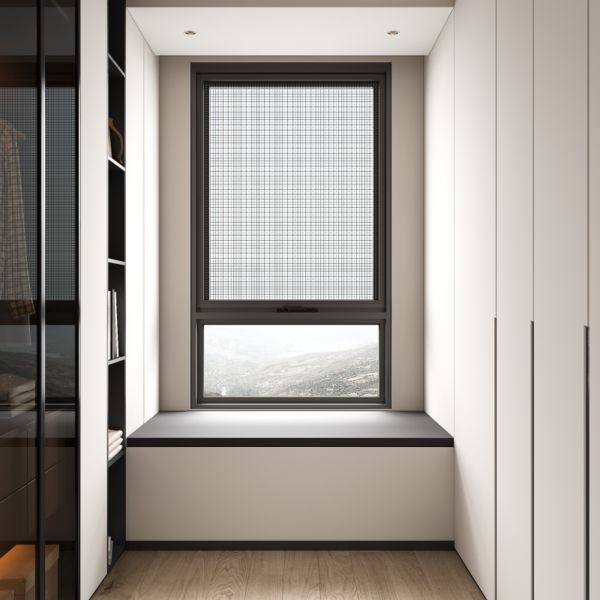
Aluminum framed windows allow thin profiles with high loads. That advantage hinges on robust architectural hardware and precise weatherstripping. Choose hardware rated for the expected cycles and local wind loads; look for tested multipoint locks rather than generic latches. Anodized finish or PVDF coatings reduce maintenance and retain appearance in coastal or urban conditions—note the coating thickness and warranty period for clarity.
Installation realities: reduce rework on site
Well-documented interface details prevent delays. Provide clear setting blocks, thermal spacers, and flashing sequences to the installer. If the supplier offers site supervision, take it—savings from fewer callbacks exceed the supervision fee. Align anchoring patterns to structural backing plans; mismatched anchors are a common source of retrofit downtime. —Also confirm sealant joint depths and shelf life for onsite adhesives so you don’t replace sealant after a winter exposure.
Alternatives and common mistakes
Some teams default to PVC frames for lower initial cost but accept larger frame widths and reduced stiffness. Steel offers slim profiles but increases maintenance and corrosion risk without specialized coatings. Common mistakes with aluminum frames include underspecified thermal breaks and using generic glazing beads that permit water ingress. Mitigate these by checking cross-section drawings and insisting on dimensional tolerances for sash and frame pre-assembly.
Evaluating suppliers: what matters beyond price
Supplier capability is not just manufacturing scale; it’s quality control, testing, and logistics. Demand factory test certificates and review sample production runs for weld quality and corner alignment. Inspect hardware test reports for corrosion resistance and cycle life. For broader sourcing needs, consult recognized casement window suppliers who publish third-party test results and maintain local representative support. EEAT mode: prioritize demonstrated product expertise and supplier experience drawn from completed projects in comparable climates and building types.
Procurement checklist: specification must-haves
Use this compact checklist during RFP evaluation:- Confirm thermal break detail and declared u-value.- Require water infiltration and air permeability test reports.- Specify finish type and warranty months for coatings.- Ask for cycle-life reports for locks and hinges.- Require dimensional tolerances and delivery sequencing to match site readiness.
Advisory: three golden rules for selecting aluminum windows
1) Validate performance with third-party test results aligned to the project climate and wind loads—measurements beat claims. 2) Prioritize integrated hardware and proven thermal break profiles; the right combination reduces operational complaints and energy drift. 3) Insist on installation documentation and at least one factory witness or site supervision visit to ensure design intent carries through to handover.
Zekin brings practical supply chain knowledge and tested profiles to the table—specify clearly, review the data, and you will get predictable results. —Final thought: durable detail matters.