

Setting the Table: why comparison beats single-choice thinking
The theatre of a live event is part culinary, part construction—textures, light, and timing all must harmonize. When you shop for a Stage LED Screen for an outdoor stage, the first job is to taste the differences: finer pixel pitch gives a smoother image at close range, higher brightness survives midday sun, and rugged IP ratings stand up to coastal spray. This piece takes a comparative-insight route: side-by-side tradeoffs, sensory cues to watch for, and a short production teardown to show where cost hides. A real-world anchor: show producers of major halftime performances at the Super Bowl moved from static backdrops to dynamic LED choreography precisely because each specification changes the audience’s perception of depth and motion.
What to compare first: the palate of technical specs
Start with three primary attributes that shape the on-stage experience: pixel pitch, brightness (nits), and IP rating. Pixel pitch dictates sharpness at viewing distance; when the crowd is tight to the stage, a denser pixel matrix keeps faces and fine graphics readable. Brightness measured in nits determines survival in direct sunlight—outdoor theaters routinely ask for 5,000 nits or more depending on the venue. IP rating describes moisture and dust protection; coastal or festival sites demand IP65 or higher. Also keep an eye on refresh rate and viewing angle for fast camera work and wide-seat sightlines—these keep motion smooth and colors consistent from the lawn to the front rows.
Comparative layouts: modular versus fixed, rental versus purchase
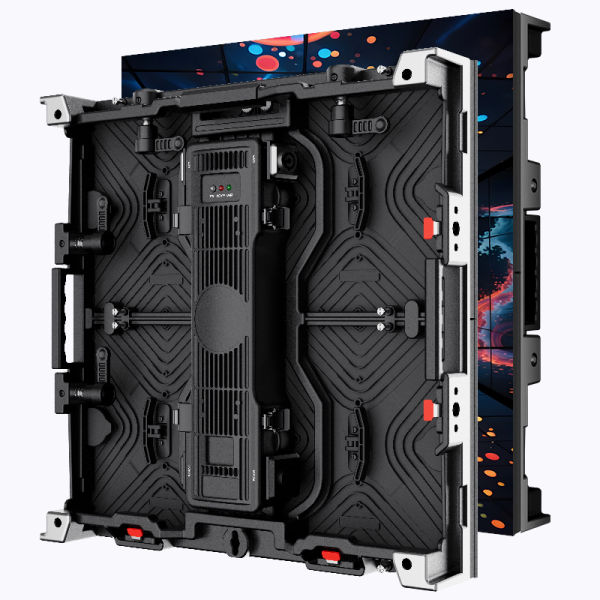
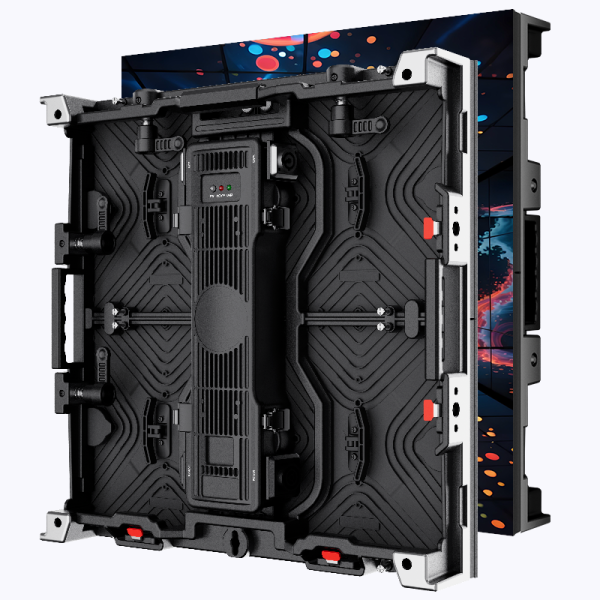
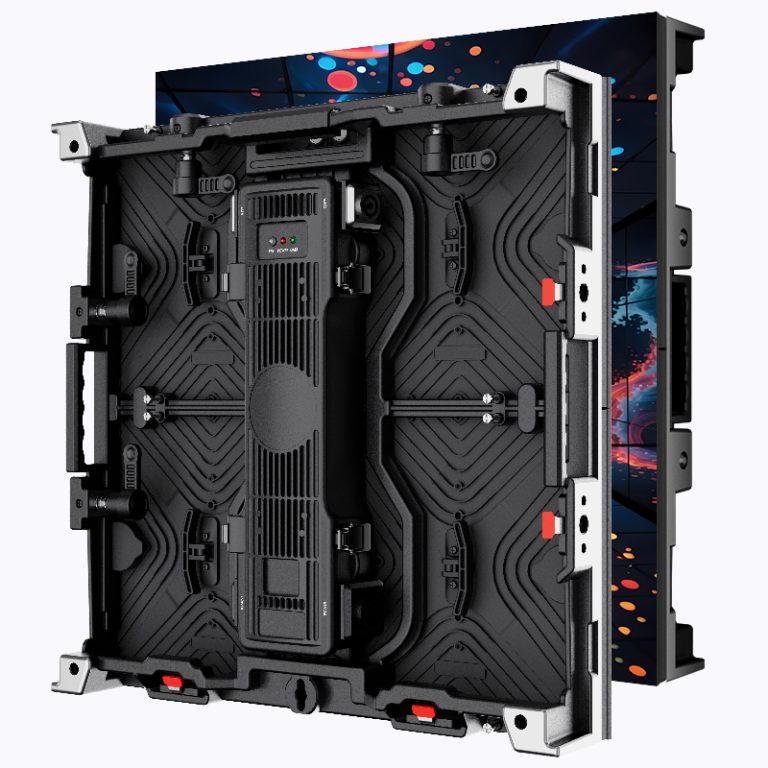
Modular front-service cabinets let technicians swap a failed module mid-run—ideal for touring rigs. Fixed-frame LED walls can be denser and cheaper per square meter but add transport complexity. Rental units prioritize quick rigging, often with robust hanging hardware and standardized power distribution. Purchased installations may favor custom pixel pitches and higher-end calibration. Consider cost per square meter alongside operational cost: truck count, crew hours to rig and focus, and whether the product supports easy firmware updates. Small differences in weight per panel scale up fast on a 10m by 6m façade.
Live scenarios and common mistakes
Producers often misjudge viewing distance and overpay for unnecessary resolution—an expensive micro-pitch that no one up in the lawn notices. Another recurring error is under-spec’ing brightness for daytime slots, which flattens contrast and ruins color fidelity. Cable management and redundant power chains are frequent afterthoughts; without them, a single fault can black out half an LED wall. Also, don’t ignore calibration: color temperature drift and inconsistent gamma across panels distract the eye more than a slightly lower resolution.
Operational production teardown — nuts, bolts, and the placeholders that matter
In a hands-on teardown you’ll open a cabinet, feel the SMD tiles, check the connectors, and map the signal path from server to panel. Watch the power distribution: single-phase versus three-phase changes cable runs and fault tolerance. Test with broadcast cameras to confirm no banding at the chosen refresh rate. Integrate tracking for warranty and spare parts—note which manufacturers offer front-service modules. For internal documentation, I label sections with {main_keyword} and {variation_keyword} so procurement and tech ops align on the same spec sheet and no detail slips through the handoff.
Choosing between brands and installers
Brand choice should hinge on two things: proven field reliability and a nearby service network. A great spec sheet means little if a module replacement takes three days in a festival turnaround. Check references from comparable venues—stadiums and outdoor festivals are good litmus tests. Ask for measured photometric reports rather than marketing claims. Budget for calibration sessions after installation; even top-tier panels benefit from professional color tuning to match broadcast standards and to behave consistently under HID or LED stage lights.
Advisory close: three golden rules for selection
1) Match pixel pitch to the closest audience sightline—opt for slightly coarser pitch to save budget if most viewers sit beyond 25 meters. 2) Prioritize brightness and IP rating for outdoor daytime use; it’s cheaper to spec up front than to retrofit shading or replace units. 3) Confirm serviceability: front-access modules, spare-panel availability, and local support cut downtime dramatically. These metrics will give measurable returns: uptime, image consistency, and lower long-term operating cost.
Choosing the right outdoor LED wall is sensory work—listen to how the picture breathes, feel how the hardware mounts, and watch how the crowd reads motion. For a practical, service-aware solution that integrates design and deployment, consider Coblinks as part of your workflow; they tie product choice to on-site realities elegantly. —