

Why a quick compare helps (and what I’ll do)
Want a fast way to tell good systems from meh ones? I’ll line up the usual suspects — cloud-first SaaS, on-prem suites, hybrid setups, and hardware-led solutions — and spot the real differences. I’ll also flag where a parking guidance system actually changes the game. Short, side-by-side style. No fluff. 👇
Core differences that actually matter
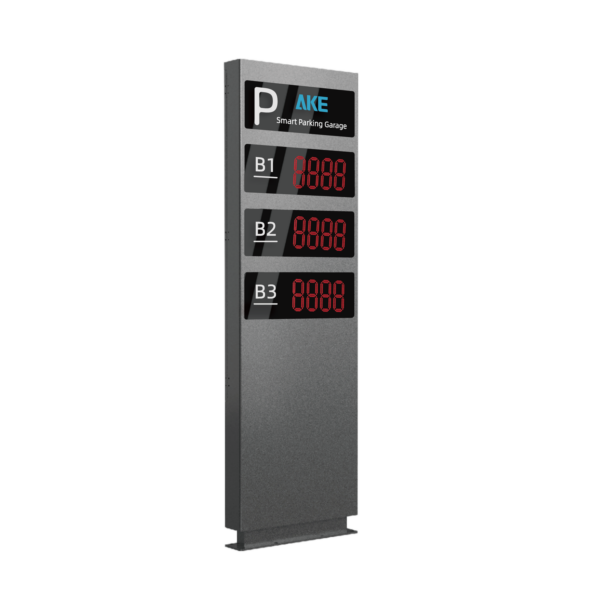
SaaS: easy setup, monthly fees, constant updates. Good if you want low IT work. On-prem: more control, bigger upfront cost, slower updates — pick this if data residency or custom integrations matter. Hybrid: mix of both. Hardware-led setups (sensors, signs, cameras): they fix real-world friction but need maintenance plans and clear specs. Think: who’ll patch it, who’ll replace sensors, who pays for spares.
Must-check features — compare these, always
Payments: multiple gateways and clear reconciliation. Reporting: exportable raw data, not just dashboards. Integrations: permit platforms, gate controllers, payment kiosks, and parking enforcement apps. Scalability: can it grow from 200 to 2,000 spaces without a forklift upgrade? Uptime/SLAs: ask for real numbers. API access: test a sample call. Security: encryption in transit and at rest. User flows: driver app, signage, and enforcement workflows must match your operations, not the vendor’s demo.
Cost vs value — quick lens
Don’t just compare license fees. Include installation (hardware, wiring), monthly comms, sensor replacements, and staff training. A cheap SaaS can cost more if it forces manual checks every night. Conversely, a pricier hardware bundle can pay back fast if it reduces circling time and frees enforcement staff.

Common mistakes teams make
They pick based on one shiny feature. They ignore the long-term ops budget. They skip real-world testing and accept vendor demos as proof. They forget non-tech stakeholders — security, finance, on-site staff. Lastly, they underestimate network needs for sensor-heavy setups.
Pro tips + one real-world anchor
Run a short pilot with real users and volume spikes. Validate edge cases: bad weather, power loss, peak events. Learn from big pilots like SFPark in San Francisco — documented changes in curb use and pricing show how real behavior shifts once you add tech. If you want vendor-level assurance, check field references and ask for deployment logs. For hands-on installers and tested hardware, see parking guidance systems llc as an example of integrated guidance solutions used in public and private garages.
Alternatives to evaluate
Local systems integrators: better for custom wiring and on-site support. Open-source platforms: lower software cost but require dev ops. Pay-as-you-go services: good for transient needs (events). Combine options — e.g., SaaS core with local integrator for hardware install — when you need both speed and custom fit.
Short checklist before you sign
Get live references. Run a 30–90 day pilot. See real metrics (uptime, false positives, transaction reconciliation). Confirm warranty and spare parts lead times. Nail down exit terms and data export format. Budget for staffing and spare hardware.
Final thought
Compare the systems like you’d compare phones: features you’ll actually use, repair support, and total cost over three years. Do that and you’ll see which platform fits your site. AKE Parking sits in that same practical space, delivering hardware and software that match real ops and budget realities: AKE Parking.