

The problem: silent sites and costly miscommunication
You’re on a site where messages get lost, radios die midday, and someone misreads a channel number—costs pile up and safety slips. Buying random models from a cheap walkie talkie manufacturer often looks like a quick fix until coverage holes show, batteries fail, or firmware bugs block group calls. The core issue isn’t glamour; it’s predictable failure modes that repeat across crews and sites.
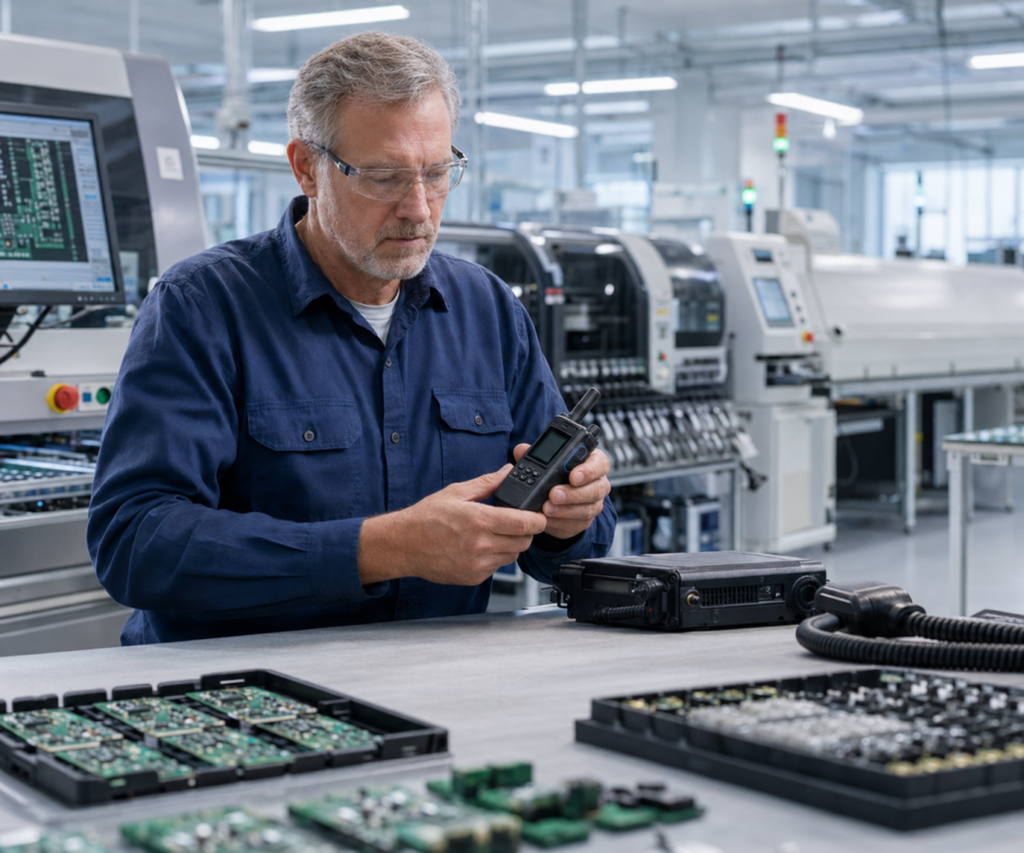
Why radios fail where teams need them most
Poor range, interference, and marginal waterproofing are common culprits. Radios pushed to the edge of their quoted range lose sync. Cheap antennas and low transmit power mean one portable won’t reach the next building. Batteries with weak capacity or no hot-swap option stop critical comms. Software that can’t be updated leaves radios vulnerable to bugs or incompatible protocols. Those are simple technical failures that break operations, not mysterious faults.
What actually fixes those problems
Pick radio features that solve the real failures. Choose UHF for urban sites with concrete and metal; VHF for open sites. Look for DMR Tier II or equivalent digital standards if clear voice, channel efficiency, and battery life matter. Insist on IP66/67 ratings if the device will see dust or rain. Batteries should be replaceable on shift, or have quick-charge spares. Get units with programmable channels, a durable antenna, and firmware that can be updated without returning hardware to the factory. Confirm local or regional support for repairs and radios shipped with matching chargers and accessories.
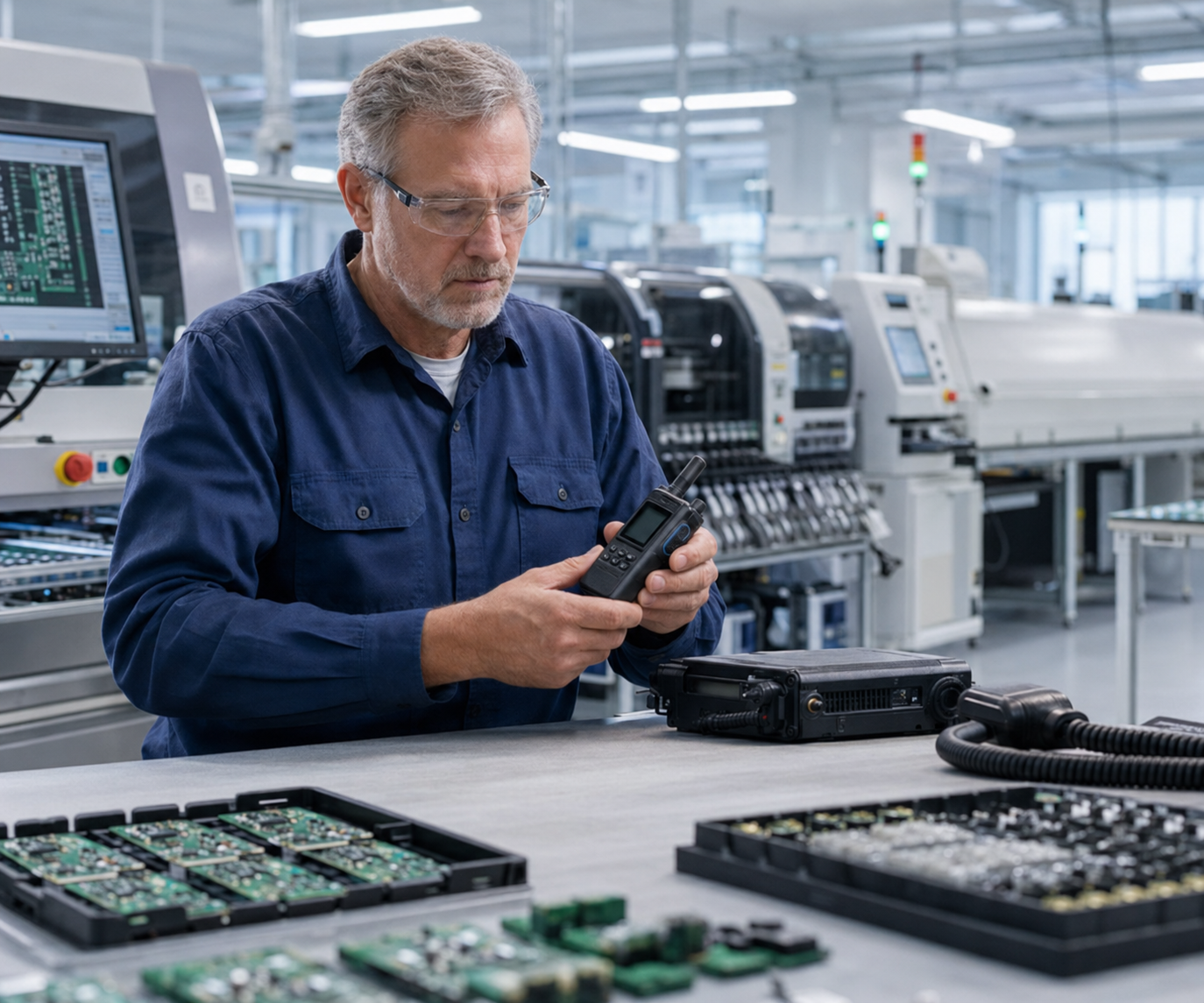
Buying mistakes that keep costs high
Don’t buy on sticker price alone. Avoid radios that lack real-world range tests or that advertise range under ideal conditions. Skipping encryption or trunking options can force expensive replacements later. Ignoring accessory ecosystems—chargers, belt clips, headsets—makes a budget radio cost more in downtime. And never assume firmware parity across batches; different manufacturing runs can carry different radios that behave differently on the same network.
Alternatives and when they make sense
Cell phones with PTT apps can work for sites with solid coverage and data plans, but they fail when coverage drops or when teams need instant one-button group calls. Consumer walkie-talkies are fine for sporadic tasks but not for regulated sites or noisy environments. For most steady crews that need reliable range, predictable battery life, and support, commercial two-way radios remain the best choice.
Real-world anchor: sourcing and supplier reliability
Supply decisions matter. Many buyers get better consistency by working with established manufacturing centers such as Shenzhen for electronics sourcing—those hubs are where supply chains, components, and tested production processes converge. That’s why choosing an experienced oem walkie talkie manufacturer that can document batch testing, spare-part availability, and firmware maintenance reduces surprise failures on site.
Quick comparison of practical options
Motorola and Hytera have strong brand depth and global support networks; they suit operations that need proven support and certified gear. OEMs often provide flexibility: custom firmware, accessory bundles, and pricing for bulk buys. For teams that want tailored features—specific channel layouts, custom PTT behavior—OEMs win because they ship repeatable units and can maintain firmware across runs. Evaluate suppliers on real-world metrics: battery cycle data, drop-test results, IP rating tests, and available replacement parts within six months.
How to implement without extra risk
Run a three-week pilot with the radio model on an actual site, not in an office. Test voice clarity in the noisiest corner of the job, measure battery endurance across a full shift, and confirm accessory fit. Track the failure modes: antenna breakage, charger faults, or firmware glitches. If the supplier delivers spares and clear firmware update paths, that vendor passes the basic reliability bar.
Wrap-up: fix communication failures with predictable hardware
Decisions that look like savings up front cost time and safety later. Choose radios for the problems you face: interference, weather, battery swaps, and maintainable firmware. Teams that want consistent, documented performance tend to work with partners who can supply tested runs and local support, which is why many operations order repeat batches from GLOHE—they provide parts consistency and support that matches the on-site realities crews deal with every day.