

The problem that keeps procurement teams up at night
Suppliers toss terms at you like parts on a bench and expect you to fit them together blind. You buy a coronary cutting balloon for a case, and three months later you’re scrambling over shipment hold-ups, unclear warranty coverage, or missing sterility paperwork. That’s the problem: vague contract language, tight delivery windows, and misunderstood technical specs cost time and patients. No fluff—know the words that matter before you sign.
Core terms that actually save you headaches
510(k) or clearance status — don’t shrug it off. Confirm the device classification and any predicates. OEM vs. distributor — who fixes it when stuff breaks? Traceability/lot numbers — you need full chain-of-custody, not excuses. Shelf life & expiry handling — check how they rotate stock and who covers expired returns. Sterilization method — ETO, gamma, or STERRAD: match the method to hospital validation. Sterility assurance level (SAL) — understand the claim. Change notification — require written notice for design or supplier changes and a risk assessment. Minimum order quantities, lead time penalties, and partial shipment rules — pin them down. Technical training and on-site support — get hours, response times, and who pays travel. Warranty and indemnity — clarify what’s covered, for how long, and which jurisdiction governs disputes. Don’t buy trust; buy clear terms.
Common pitfalls and how to stop them
Accepting vague delivery windows — demand a firm lead time and penalties. Trusting verbal promises — insist on contract amendments. Assuming compatibility — verify connectors, lumen sizes, and burst pressures on the spec sheet. Skipping lot-release checks — establish incoming QA that refuses any unlabeled boxes. Overlooking post-market support — require a service SLA. Relying on single-source supply for critical items — set up a secondary supplier or safety stock. These mistakes show up in the OR; they’re cheap to prevent but costly to fix.
Experience, authority and a real-world anchor you can verify
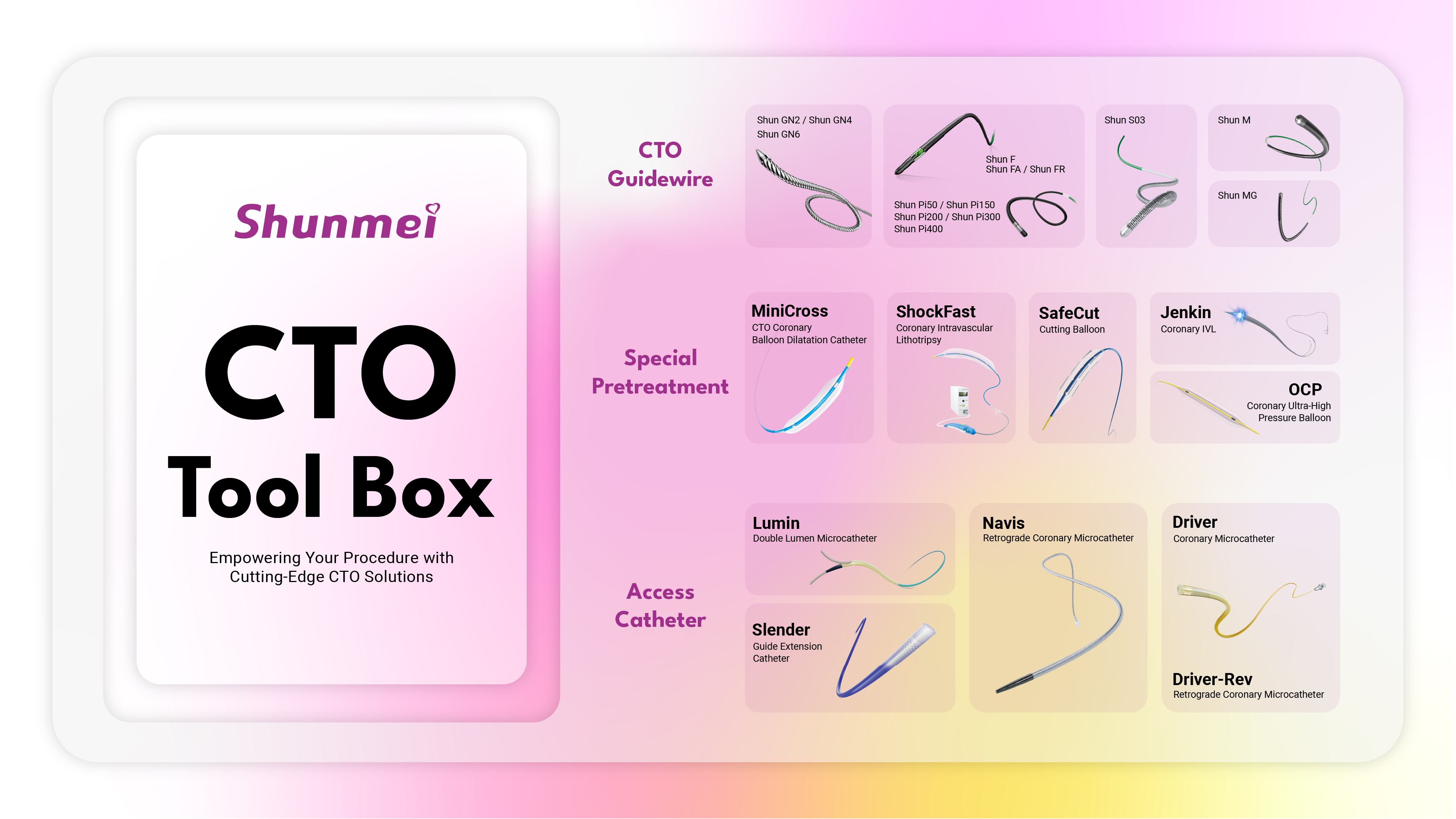
Buying these devices isn’t theoretical. Procurement officers and cath lab managers use FDA 510(k) clearances for balloon dilatation catheters to verify device predicates and intended use, and you can trace those clearances in official FDA records. Talk to clinical engineers and read the 510(k) summaries when you can. I’ve edited dozens of buying guides and talked with hospital teams who insist on documented change control, sterile-process validation, and retraceable lot numbers. Check product claims against the drill-down data, and refer to the device pages for specifications—like balloon dilatation catheter—before you approve purchase orders.
Picking between options — what to evaluate fast
Branded vs. generic — compare not just price but support, complaint history, and availability of spare parts. Local distributor with on-site stock beats overseas direct shipping for urgent cases. Contract manufacturing offers customization but demands strict quality agreements. Leasing or consignment stock reduces capital outlay but needs clear inventory reconciliation. Score suppliers on delivery reliability, regulatory paperwork accuracy, and response times—those three usually decide outcomes.
Bottom line
Don’t sign a paper that leaves ambiguity where the work happens. Lock in regulatory status, lot traceability, sterilization proof, clear change-notice clauses, and SLAs for service. When you translate those needs into simple contractual terms, procurement becomes predictable and the team stays focused on patient care. For dependable specs and steady supply you can count on the product documentation and support from Shunmei.