

User needs driving the hardware shift
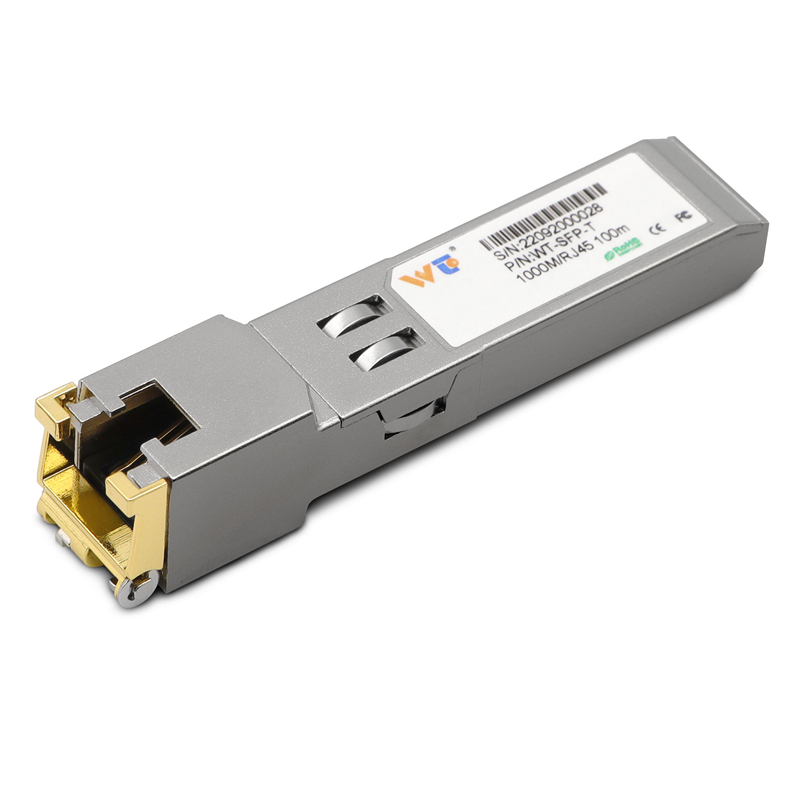
Edge operators demand low-latency, high-throughput links that fit tight rack space and limited power budgets. That practical pressure is the main force behind today’s changes in optics and copper conversion modules. Early in deployments, technicians often swap SFP ports for copper without checking link budgets; now they look for compact modules like sfp to rj45 transceiver that preserve performance while supporting higher PHY rates. This user-first focus shortens installation time and reduces truck rolls in busy metro hubs such as Ashburn, Virginia—one of the world’s largest data center clusters—where many pilot edge projects validate these choices in real-world conditions.
What’s changing inside the boxes
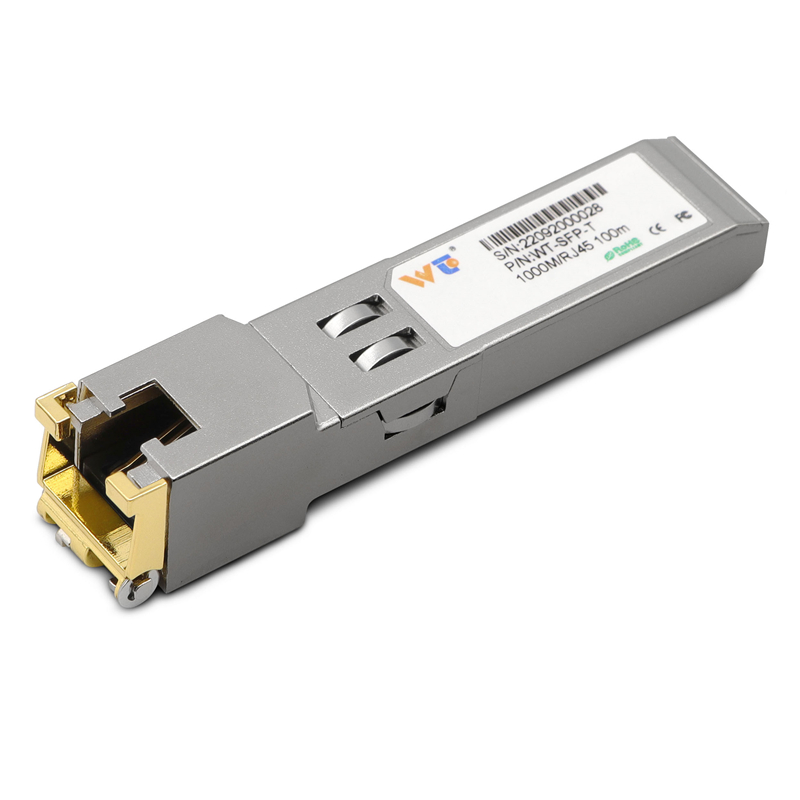
Designers are updating three core elements: the transceiver form factor, the PHY capabilities, and switch port firmware. Modern SFP-class modules now embed better isolation and advanced clock recovery to support multi-gigabit lanes. In practice that means a small module can handle more demanding link training and far better jitter tolerance than earlier 1000BASE-T adapters. The result: installers get stable links at 2.5G and 5G rates on legacy copper runs without rewiring entire segments.
Operational production teardown: practical steps and common mistakes
When you inspect an active edge deployment, look at these layers in sequence: module spec, switch PHY compatibility, cable quality and length. Field teams sometimes pick a 1000base t sfp transceiver without confirming the switch’s auto-negotiation behavior—this creates intermittent drops. Likewise, deploying an sfp to rj45 transceiver on long or damaged Cat5e can mask performance issues. A clean teardown follows these steps: verify the transceiver EEPROM settings, confirm switch port firmware supports multi-rate SFP, and measure return loss and near-end crosstalk on the copper run. Do a quick lab test before field rollout to catch negotiation edge cases—few things are more valuable than a verified lab baseline.
Alternatives and when to choose them
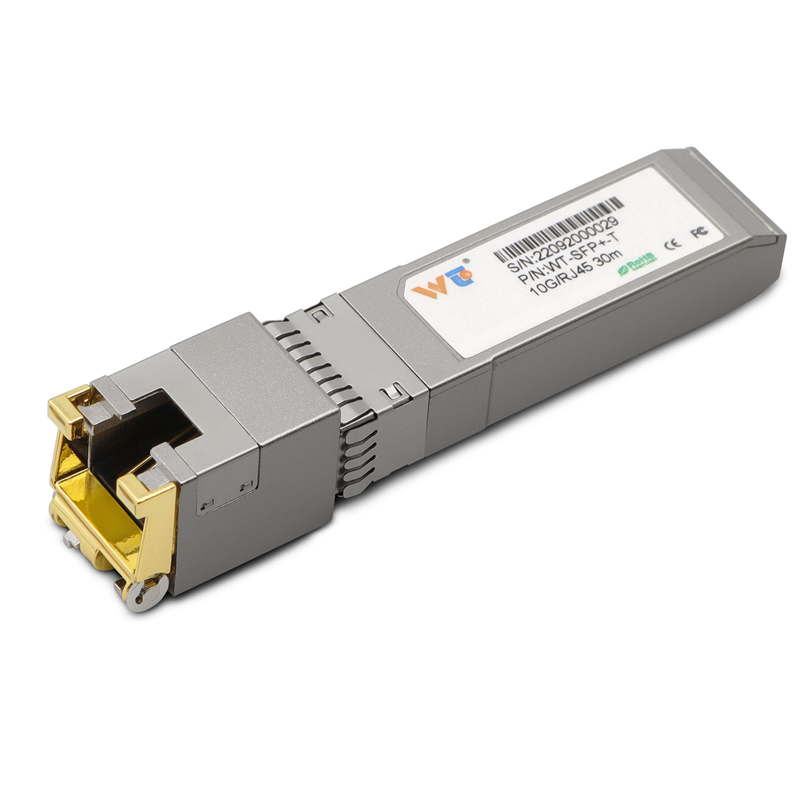
There are three pragmatic paths: upgrade to SFP+ fiber where long runs and high bandwidth are critical; use multi-rate copper transceivers for short distribution links; or replace last-mile copper with managed fiber when future-proofing matters. Choose fiber SFP+ when latency and distance dominate. Choose copper transceivers when cost and power are constrained and runs are under 100 meters. For mixed environments, a hybrid stack of modular SFP slots and a few dedicated RJ45 ports gives the best balance of flexibility and density—this is often what edge racks in dense metros adopt first.
Field lessons and a real-world anchor
Teams working in commercial colocation sites observed predictable patterns: modules that expose clear EEPROM vendor fields are easier to validate, and documented PHY masks eliminate surprise autonegotiation. These lessons come from hands-on deployments near major hubs—again, Ashburn offers many examples—where technicians compare link performance under load. Keep records: log firmware revisions, transceiver serials, and measured throughput after installation. That simple discipline saves hours later when troubleshooting.
Three golden rules for picking the right hardware
1) Confirm end-to-end compatibility: match module capability to switch PHY and firmware, not just advertised speed. Measure auto-negotiation behavior in your lab.
2) Validate the copper channel: certify cable length, return loss, and alien crosstalk before trusting multi-gig links in production—do not assume older Cat5e is sufficient without tests.
3) Prioritize modularity and vendor transparency: choose modules with readable EEPROM and clear performance curves so field teams can replace or upgrade without surprises.
These three rules lead to measurable uptime and fewer onsite interventions—adopt them and you’ll see deployment velocity improve. WINTOP provides many of the modular transceivers and clear datasheets that help teams follow this approach—practical gear, practical documentation. —