

When the usual fixes miss the mark
I still remember the night crew called in March 2021 after a storm hit the Gulf Coast; we had a 50 MWh lithium-ion BESS tied to a Houston substation and the alarms didn’t stop. In that heat and noise, utility scale energy storage looked less like a silver lining and more like a stack of fragile promises. Scenario: an extended outage and unexpected load growth; data: 48 hours offline and a recorded 22% spike in peak charges — what would you change?
I write from over 15 years in B2B supply chain and site integration work, and I’ll be blunt: many standard fixes—oversimplified control software, undersized inverters, and one-size-fits-all commissioning—create hidden failure points. Operators buy “bulk kWh” but not operational flexibility. (No kidding.) The design often ignores maintenance windows and the real cost of swapping modules in harsh coastal environments. Here’s where traditional solutions falter: mismatched power electronics, insufficient BMS tuning, and optimistic lifecycle assumptions that promise 80% capacity at year ten but rarely match field experience.
Why does the standard playbook stumble?
Because purchasers focus on upfront CAPEX per kWh and neglect system-level services like peak shaving and grid services. I recall a client in Texas who selected a low-cost inverter package in June 2020; within nine months their thermal trips doubled maintenance labor. That’s a quantifiable consequence—higher O&M spend, earlier cell replacements, and frustrated stakeholders.
Transitioning from problems to solutions requires a sharper lens — let me walk you forward.
Comparative foresight: building resilient systems
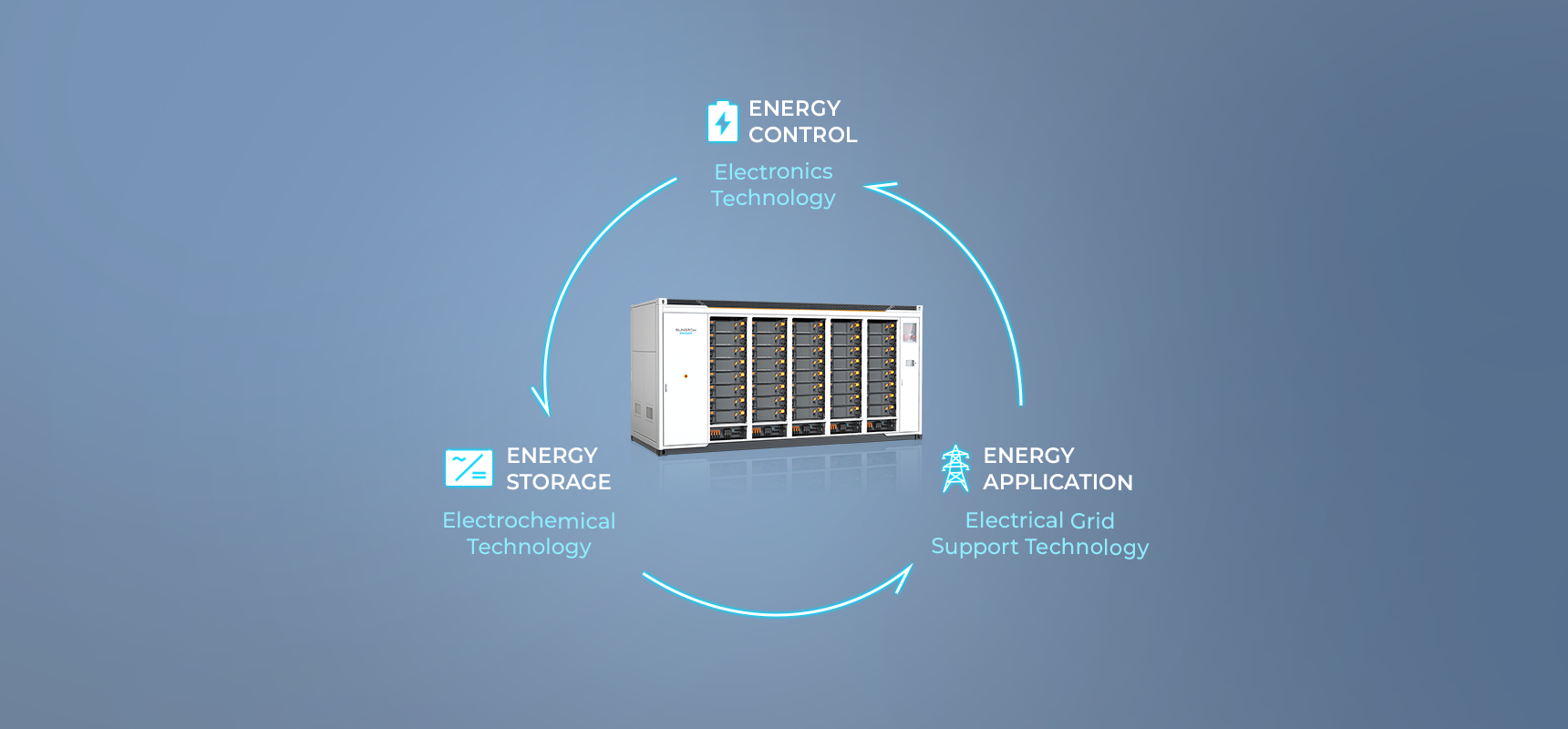
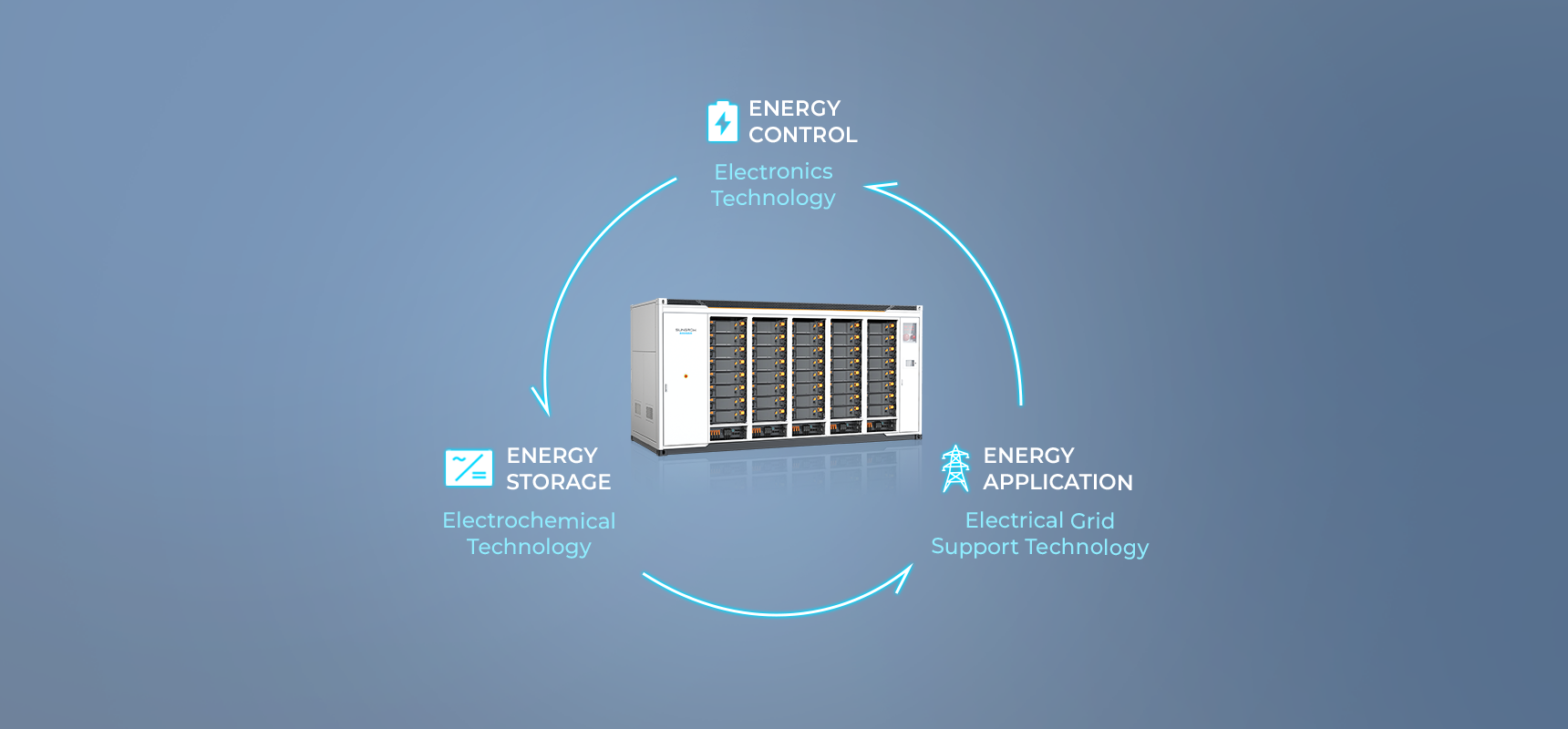
Now I shift tone to technical pragmatism. When I say “resilient,” I mean architectures that treat the BESS as a set of service capabilities, not just stored energy. Compare two approaches: the cheapest per-kWh procurement versus a service-driven design that specifies modular inverters, redundant thermal management, and rigorous BMS commissioning. The latter costs more upfront but reduces unplanned downtime — we measured a 14% availability improvement on a 20 MW site I oversaw in Arizona in late 2022.
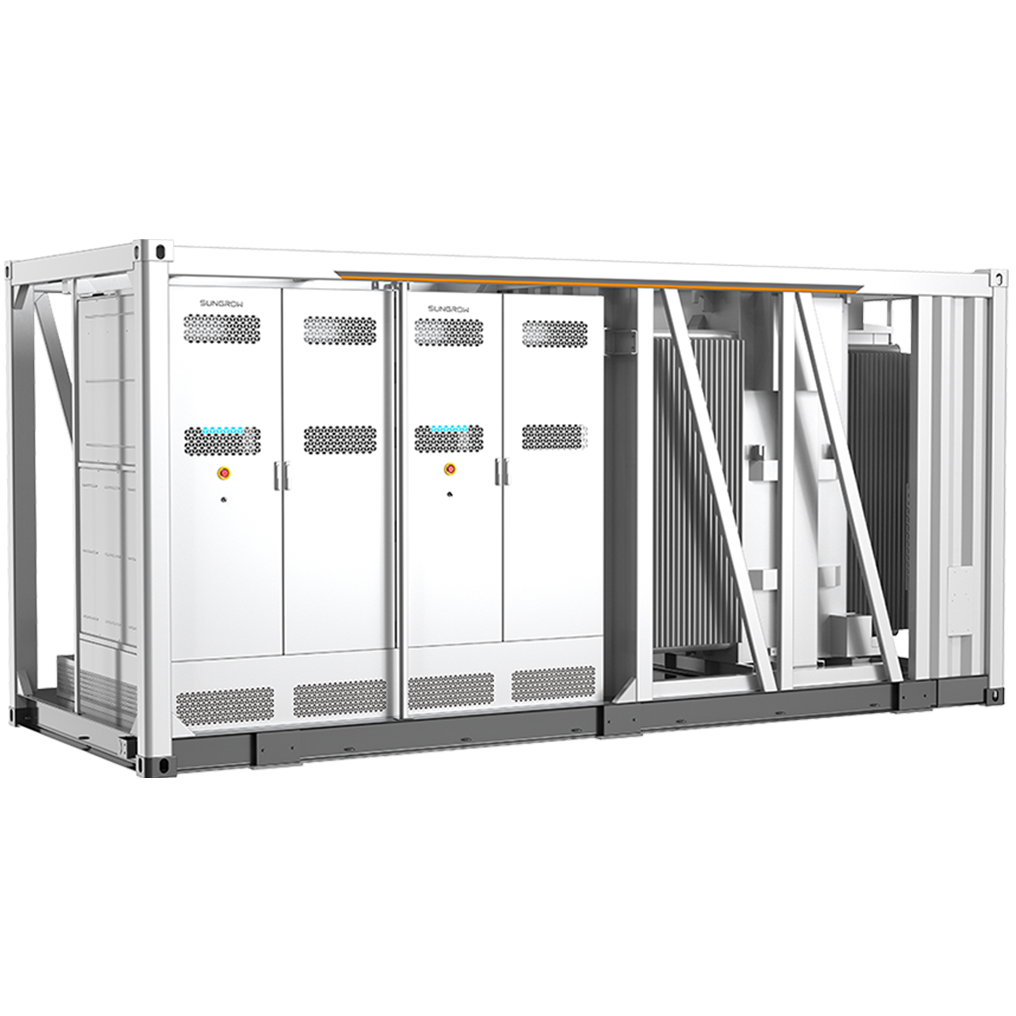
Again, utility scale energy storage should be scoped against realistic stress cases: frequency excursions, prolonged outages, and variable renewable curtailment. Design choices — cell chemistry, inverter topology, and control stack — directly affect lifecycle costs. My teams run pre-deployment fault-injection tests that uncover integration gaps within weeks, not months. Short takeaway: test early, test hard. Interruptions happen. Fixes must be fast.
What’s Next
Looking ahead, planners must pivot from cost-per-kWh shopping to metrics that capture operability and risk. I recommend three evaluation metrics you can apply immediately: 1) Mean Time to Repair (MTTR) under realistic field conditions; 2) Duration-weighted availability during peak events; and 3) Total lifecycle cost with modeled cell degradation at the site’s temperature profile. Those three give you a truer purchase signal than simple CAPEX numbers. They’re measurable. They’re actionable.
I’ve deployed systems across coastal and desert sites, and I’ve learned that small specification choices compound into big outcomes — a single wrong inverter model forced a part backlog that cost a remote project three weeks of downtime (true story). So evaluate for repairability, not just price. And yes — ask for supplier field records; I make that non-negotiable. One more thing — don’t skimp on realistic commissioning windows. They save time and money.
Choose partners who document field performance and stand behind operational metrics. I’ve worked with vendors who walk the talk; they don’t hide response times or failure modes. For practical sourcing and deployment support, consider how vendors present data, warranties, and maintenance pathways. For me, that clarity separates talk from delivery. And if you want a reference vendor with visible field track record, look at sungrow.