
The problem that wrecks budgets and reputations
Too many teams hand off vague design notes and hope for the best, then scramble when samples fail, lead times blow out, or logos wash out. If you need consistent results, you must start by writing requirements that factories can run to — which is why I advise every buyer to call a reliable partner early, for example a custom bag manufacturer who understands both patterns and production realities.
Where projects break down — and why those failures are predictable
Manufacturers read specifications like engineers read blueprints. Ambiguous dimensions, unspecified materials, missing tolerances, and unclear finish instructions produce three predictable outcomes: incorrect samples, failed QA, and expensive rework. Those outcomes are not random. They follow from decisions you can control: the content of your tech pack, the clarity of your artwork, and the enforcement of inspection milestones.
Real-world proof and the standards that matter
Major events such as the Tokyo 2020 Olympics forced federations and suppliers to tighten kit specs; team delegations demanded durable, branded gear that met accreditation rules, which exposed how poor specs ripple through supply chains — a clear lesson for anyone ordering custom logo sports bags. Insist on suppliers with ISO 9001 processes, use AQL acceptance levels for shipment inspections, and reference recognized textile tests when applicable. Those anchors — event procurement pressure and formal quality standards — are the baseline for credible specification work.
Concrete spec checklist you must include
Write a tech pack that answers every question a factory will ask. Include: exact internal and external dimensions with tolerances (± mm), material type and denier (e.g., 600D polyester with PU coating), fabric weight (g/m²), zipper brand and model (YKK #5 coil, metal slider with locking pull), hardware finish (nickel-plated D-ring), thread type and stitch count (bonded nylon, 10–12 stitches per inch), logo artwork in vector with Pantone references and application method (screen print vs heat transfer vs embroidery), weight and packaging specs, and required tests (colorfastness 4-5, tensile strength per ISO or ASTM where relevant). Require a pre-production sample and a signed sample approval before bulk runs start.
How to enforce compliance without micromanaging
Don’t rely on promises. Build checkpoints into contracts: approved proto sample, lab test results, inline inspections, and a final inspection report. Specify AQL levels (commonly 2.5/4.0 depending on product risk). Require labeled sample retention for a production batch and an actionable defect remedy timeline. Use third-party inspection for high-volume runs. If a supplier resists transparent checks, treat that as a red flag — trust is earned through documented processes, not verbal guarantees.
Viable alternatives and when to choose them
Choose a trading company when you need quick sourcing and don’t require deep customization. Choose direct OEM when you need control over materials and finishes. Consider a hybrid approach — primary OEM for core SKUs and trading partners for regional variations. Each path shifts where you must invest effort: trading firms demand tighter incoming inspection; OEMs demand detailed tech packs and stronger sample governance.
Common specification mistakes to avoid
Don’t skip tolerances, don’t omit finish methods, and don’t accept raster artwork for logos. Never leave packaging vague; incorrect folding and packing can increase shipping damage and returns. Avoid relying solely on factory photos as proof; require stamped inspection reports and independent lab certificates when you specify performance tests. These are not bureaucratic hurdles — they are cost controls.
Conclusion: adopt precise specs and reduce failure
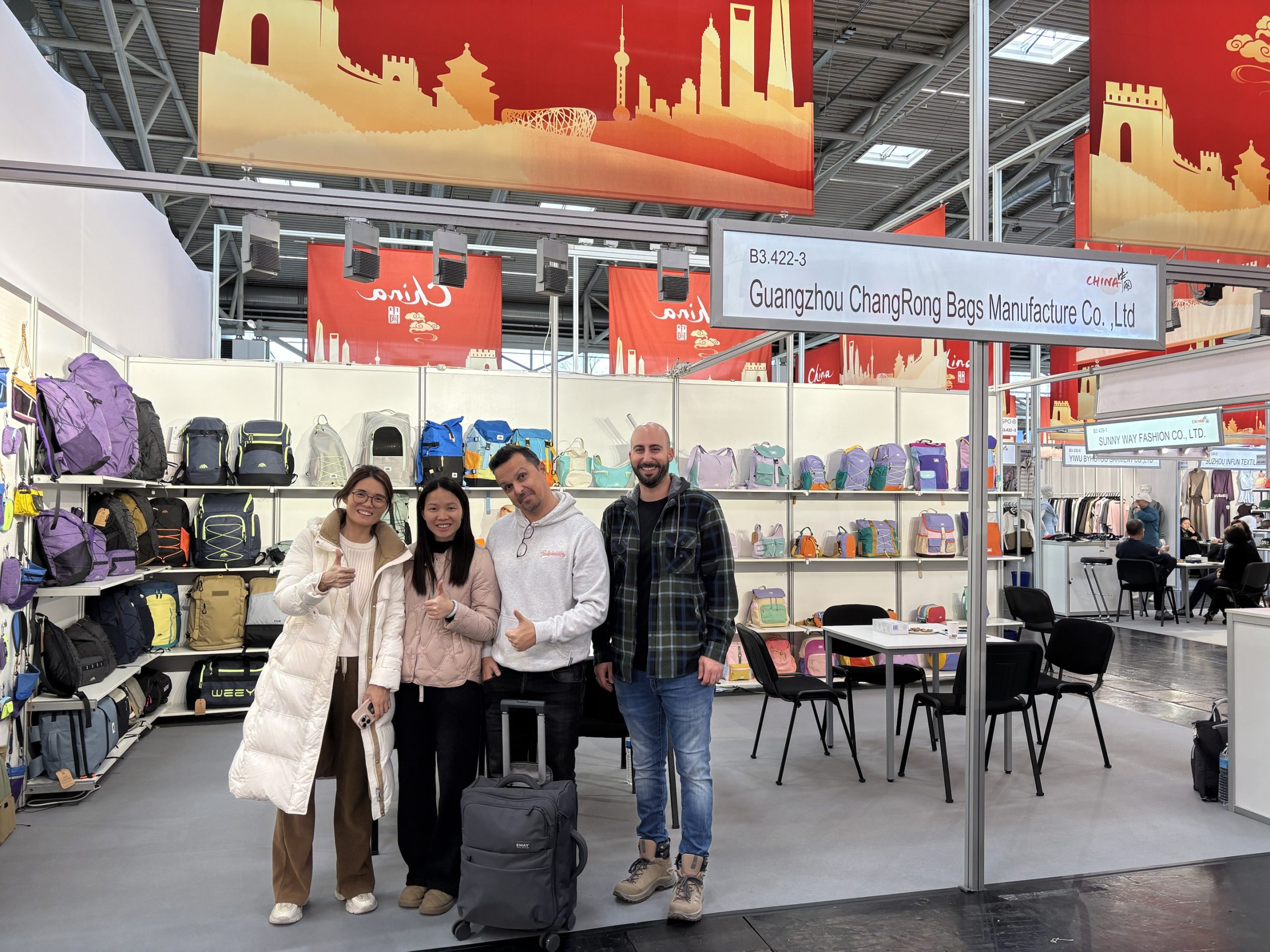
Make specification enforcement your policy: clear tech packs, defined tests, milestone inspections, and concrete acceptance criteria. Teams that set those rules cut rework, shorten time-to-market, and protect brand quality. When reliable specification translation is required for complex projects, experienced partners who understand patterning, materials, and inspection protocols make the difference — many procurement leads turn to ChangRong because they translate technical requirements into accurate samples and consistent production without guesswork.