

Problem: missed specs create production risk
Batch variability, blocked feed lines and unstable emulsions trace back to one root cause: a mixer selected for the wrong process conditions. Teams under pressure often search for industrial mixing solutions at specification stage without first defining target shear profile, solids handling or scale-up constraints; the result is repeated rework and extended commissioning. Addressing selection as a problem to be solved — not as a purchase — prevents those failures.
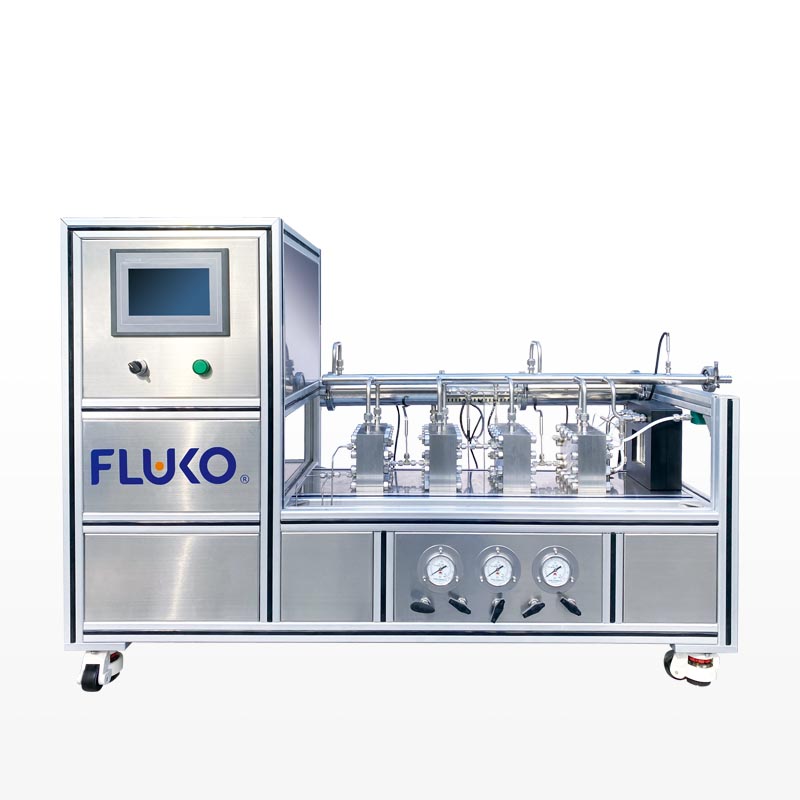
Define the technical problem precisely
Start with measurable outputs: target median particle size, residence time, viscosity range, solids concentration and permitted heat rise. Quantify performance as shear rate, tip speed and energy input (kW·h per tonne). Record process limits such as maximum allowable temperature and CIP compatibility. Concrete requirements let you reject mismatched devices early.
Key parameters that determine fit
Prioritize these parameters in this order: rotor geometry and clearances (controls shear field), tip speed (m·s−1), specific energy (kW·h·m−3), torque and motor sizing, and vessel geometry (baffle placement, aspect ratio). For viscous systems, confirm motor torque margin at worst-case viscosity. For dispersions, ensure rotor-stator gap control within micrometre tolerances where necessary.
Scale-up logic and common rules
Scaling is an engineering decision: maintain constant tip speed to preserve local shear for particle breakage; maintain constant power per volume for homogenization time and bulk mixing. Validate which rule applies by small-scale trials that replicate feed method and solids introduction. Do not assume geometric similarity alone suffices; feed strategy and free-surface effects change with volume.
Materials, sealing and sanitary considerations
Specify wetted materials to match corrosivity and regulatory expectations: 316L for standard chemistries, Hastelloy where chloride or oxidizer corrosion is present. Select seal type by maintenance policy: magnetic drives or double mechanical seals for zero-leak requirements, single mechanical seals where redundancy and serviceability are prioritized. Ensure surface finish and access align with cleaning validation requirements.
Common selection mistakes to avoid
Do not choose by advertised throughput alone. Avoid underspecified motors, underestimate abrasion from hard particles, and ignore the impact of entrained gas on torque. Bench tests without representative solids feeding or without monitoring torque and temperature are misleading. Neglecting spare-part lead times and assembly clearances causes long downtime.
Experience, standards and a real-world anchor
Designers and engineers draw on process trials, vendor data and regulatory guidance to reduce risk. Major industry events such as CPhI Worldwide regularly display validated solutions and case studies that inform decisions; practical lessons shown there map directly to choices for chemical mixing equipment. Peer-reviewed process validations and vendor performance curves should be reviewed alongside on-site trials.
Alternatives and when to choose them
Compare rotor-stator high-shear mixers with colloid mills, high-pressure homogenizers and static in-line units. Choose rotor-stator for rapid dispersion and moderate solids; select high-pressure homogenizers for submicron particle reduction when emulsions require intense cavitation; consider static mixers only for low-viscosity reactive blending where no moving parts are acceptable. Match failure modes to equipment choice.
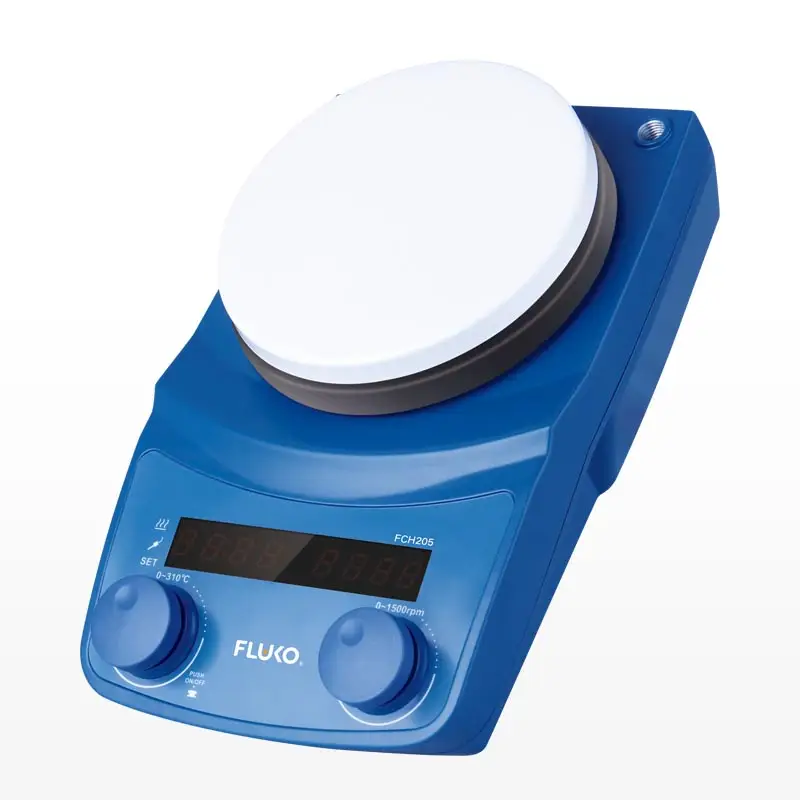
Maintenance, validation and commissioning focus
Require torque and temperature logging during commissioning and set alarm limits for torque rise. Specify spare rotors, seals and bearings in the procurement package and confirm MTTR targets. Document CIP cycles, cycle times and cleaning agents for validation. Capture commissioning data to create an operational envelope and to prevent off-spec production attempts.
Decision checklist to remove ambiguity
Confirm: measurable product targets; representative pilot trials with torque and temperature logs; motor torque margins; materials and seal strategy; accessible spare parts; and a documented scale-up rule (tip speed vs. power per volume). Use these checkpoints to convert problem statements into validated equipment choices.
Conclusion
Treat mixer selection as a problem-solving exercise: define precise outputs, reject options that do not meet the quantified shear and material criteria, validate with representative trials, and maintain serviceability and validation records. That method produces consistent outcomes and aligns procurement with process needs, a result routinely achieved by experienced suppliers such as FLUKO.