

A Technical Start: When Clear Voices Still Get Lost
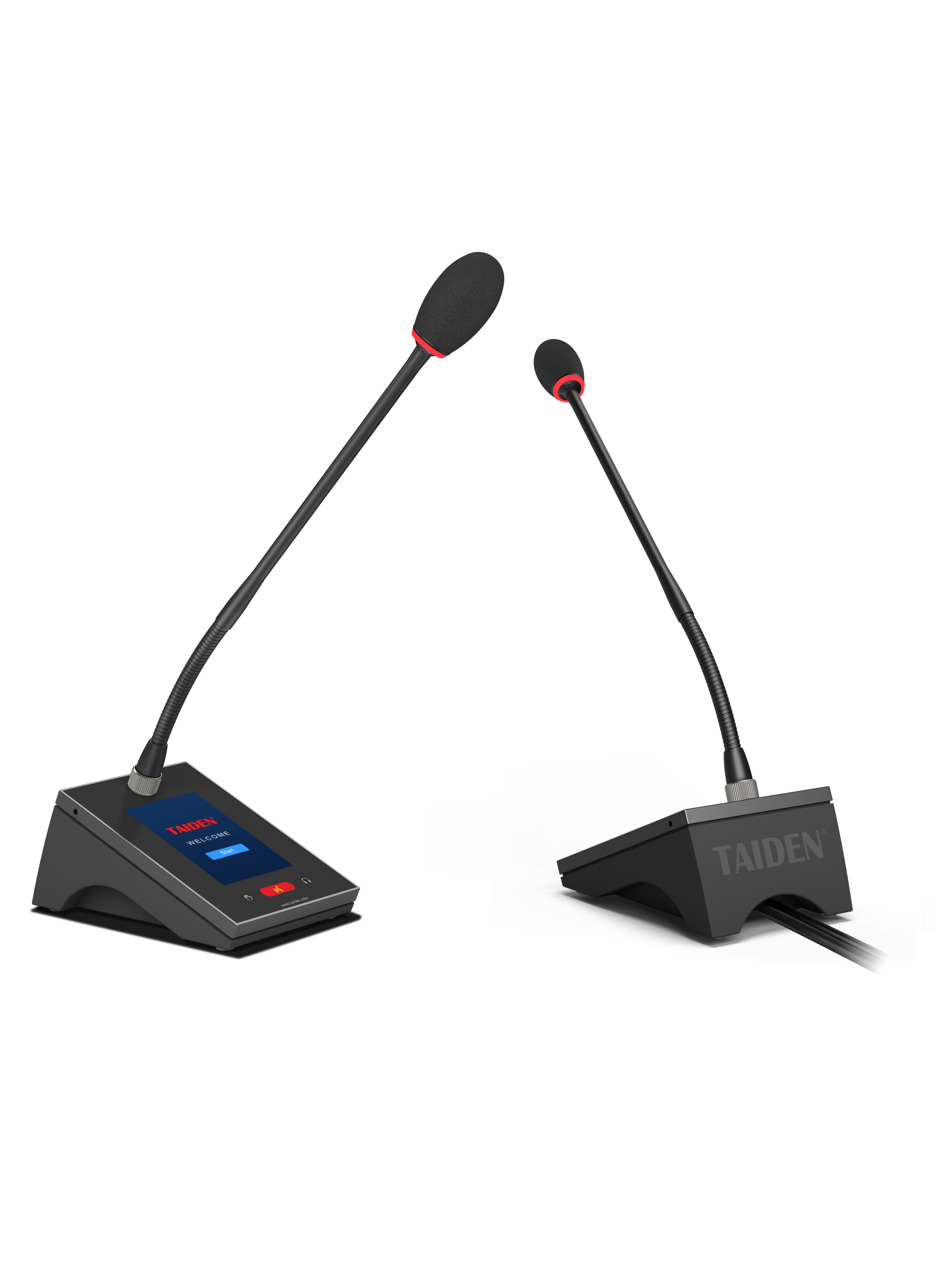
A quarterly review goes live. The CFO leans in, and the room is quiet—but remote staff still catch more chair squeaks than words. In a modern conference room mic system, every link in the signal path adds risk and delay. Field audits often find that 40–60% of rooms have weak pickup zones and uneven tone, even after upgrades. The heart of many setups is a gooseneck condenser microphone, mounted where speech should be solid. So why do people still ask, “Can you hear me now?”
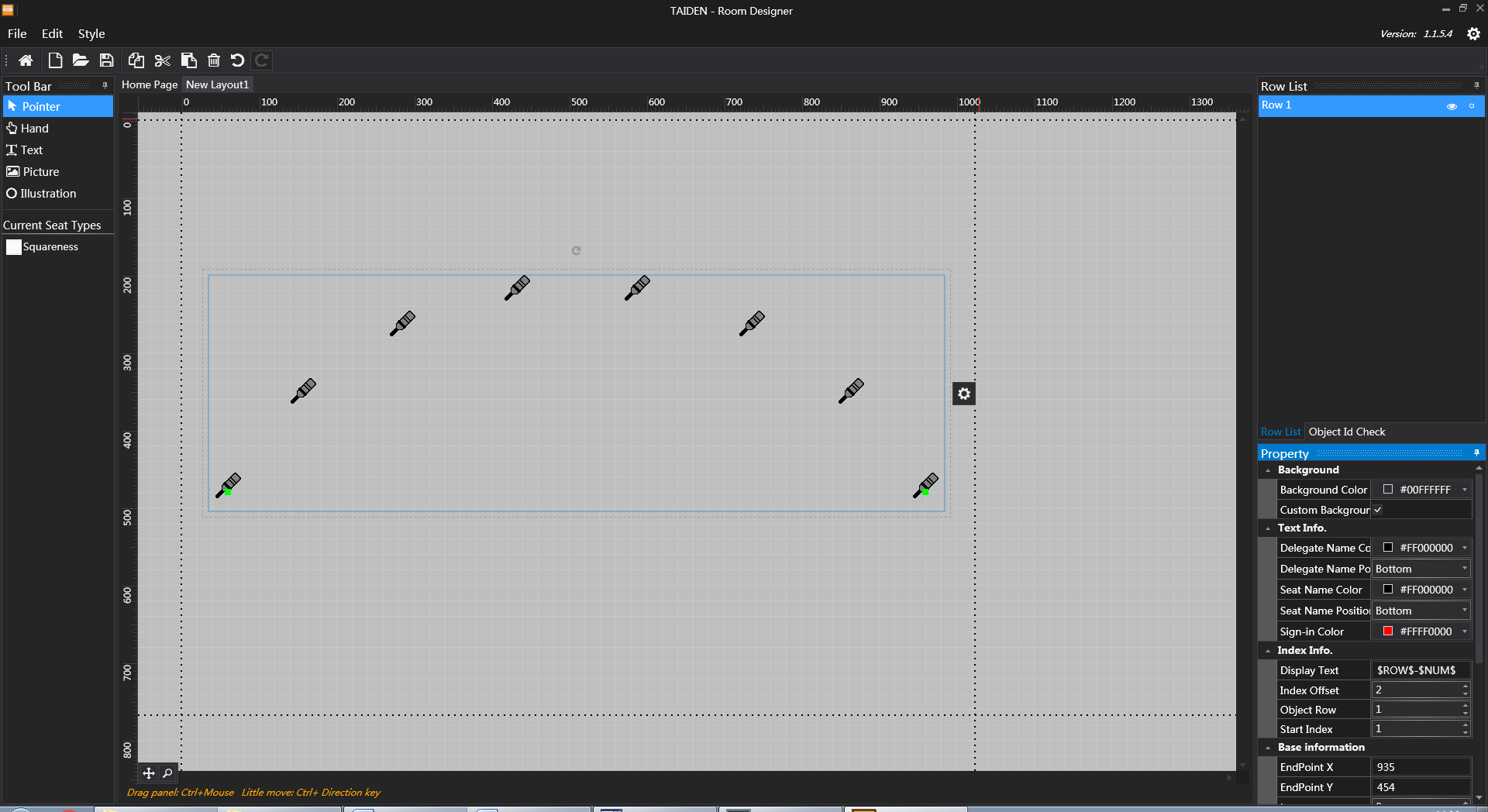
Start with the basics: mic placement, room reflection, and chain gain. A cardioid polar pattern helps, but it cannot fix a table that rings or a ceiling that scatters sound. Add in DSP blocks, phantom power quirks, and end-user habits, and clarity bends fast (especially under time pressure). Look, it’s simpler than you think, yet it is never one fix; it’s a set of small, tuned steps. The question is not only “Which mic?” but “Which method fits the room and the people?” That is our frame for comparison—moving from parts to outcomes.
Traditional Fixes vs. Real Needs: Where the Old Playbook Falls Short
Why does pickup still sound thin?
Old habits die hard. Teams raise mic gain to reach the back row, but gain-before-feedback collapses and the noise floor climbs. They scatter tabletop capsules across a shiny desk; now comb filtering smears consonants. They place one shotgun at the display; off-axis voices turn papery. Auto-mixers gate mics too deep, then clip the first syllable. Meanwhile, acoustic echo cancellation is tuned once and never touched, even as furniture and seating change—funny how that works, right?
Another flaw is power and wiring. Unbalanced runs pick up hum. Power converters share outlets with laptops and introduce ripple. Lack of RF shielding near wireless chargers adds hiss the moment someone docks a phone. And the people factor matters: whispered side comments, masked faces, and swivel chairs all test the system. Traditional “more mics, more coverage” thinking multiplies bleed and crosstalk. The result is effort without intelligibility. The fix is a tighter concept: fewer, smarter capsules; defined pickup zones; and predictable workflows that survive real behavior. Small changes, repeated, beat one big purchase—every time.
Next-Gen Principles: How Modern Mics and Systems Change the Game
What’s Next
Newer systems lean on principles, not guesswork. Think beamforming for shapeable pickup, AES67 for networked transport, and PoE power for clean, stable runs. On-device DSP trims latency and keeps control local to the mic head, while edge computing nodes coordinate rooms at scale. This reduces the distance between voice and decision. When a chair turns, the lobe follows; when a participant leans back, gain adapts. And yes, you will hear it—words land with fewer artifacts and less strain.
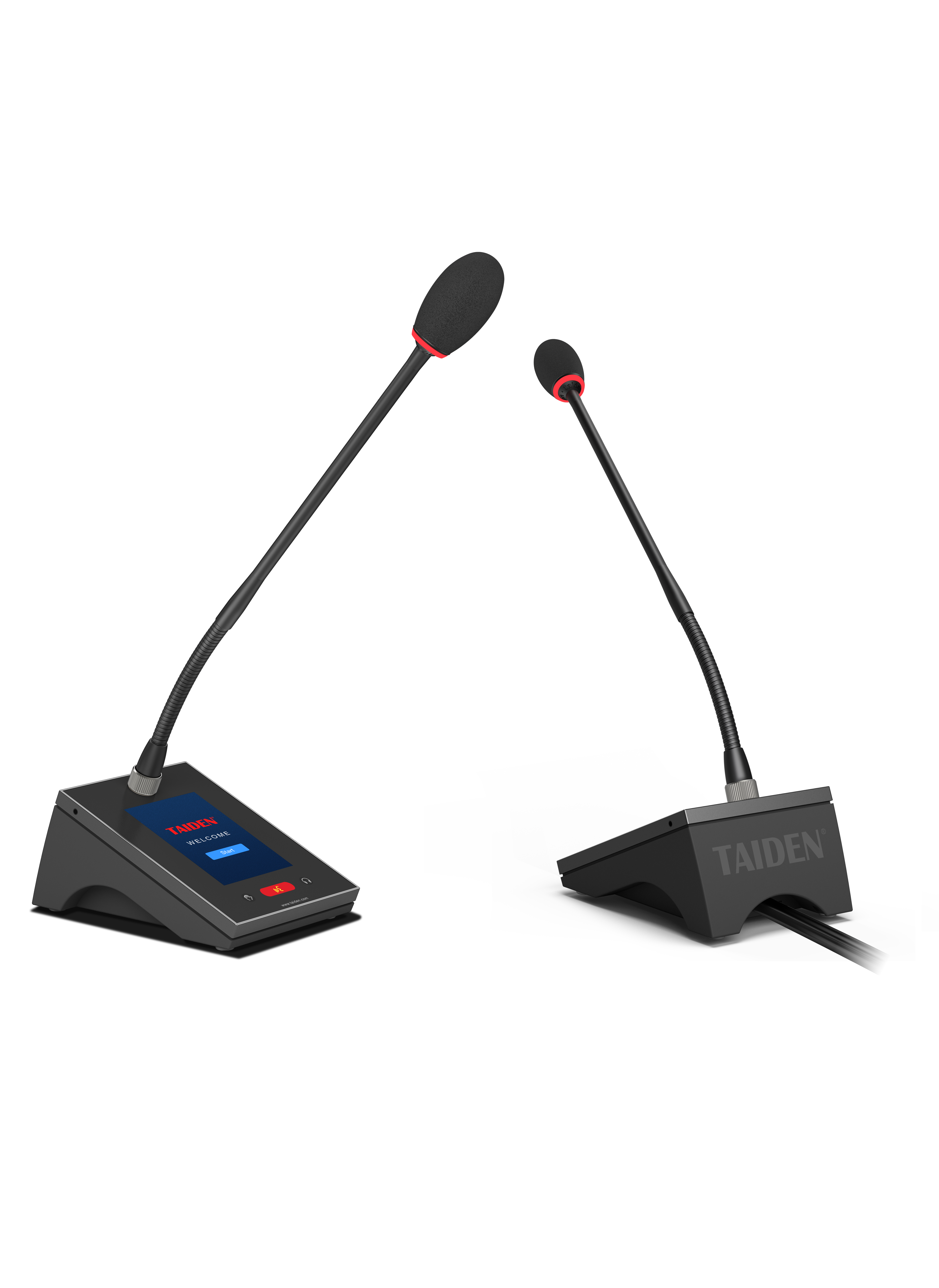
Comparatively, a well-placed gooseneck with smart processing can match or beat a room array if the geometry is clear and the talkers are predictable. Conversely, dynamic seating benefits from steerable arrays and scene presets. The right blend often pairs classic capsules with modern control inside high-end digital conference equipment, so routing, priority, and mute logic live in one fabric. This reduces points of failure, keeps updates simple, and makes policy (who can speak, when, and how) a feature, not a patch. The lesson: compare by principle—pickup shape, network method, and control depth—rather than by mic count.
How to Choose: Three Metrics That Keep You Honest
Skip the spec sheet shuffle. Use three measurable checks to choose what fits your room and culture. First, intelligibility: verify STI at target seats under real use, not in a silent lab. Second, clarity margin: confirm seat-level SNR with HVAC running and doors opening. If people can whisper and still pass, you win. Third, responsiveness: measure end-to-end latency during live conferencing; keep it low so natural turn-taking holds. Track these for a week, not a minute, and compare across candidate setups. The system that stays stable under load outperforms the one that shines in a demo. Brands evolve, rooms change, and teams grow; metrics keep you grounded, and your meetings human. TAIDEN