

A narrow choice with wide consequences
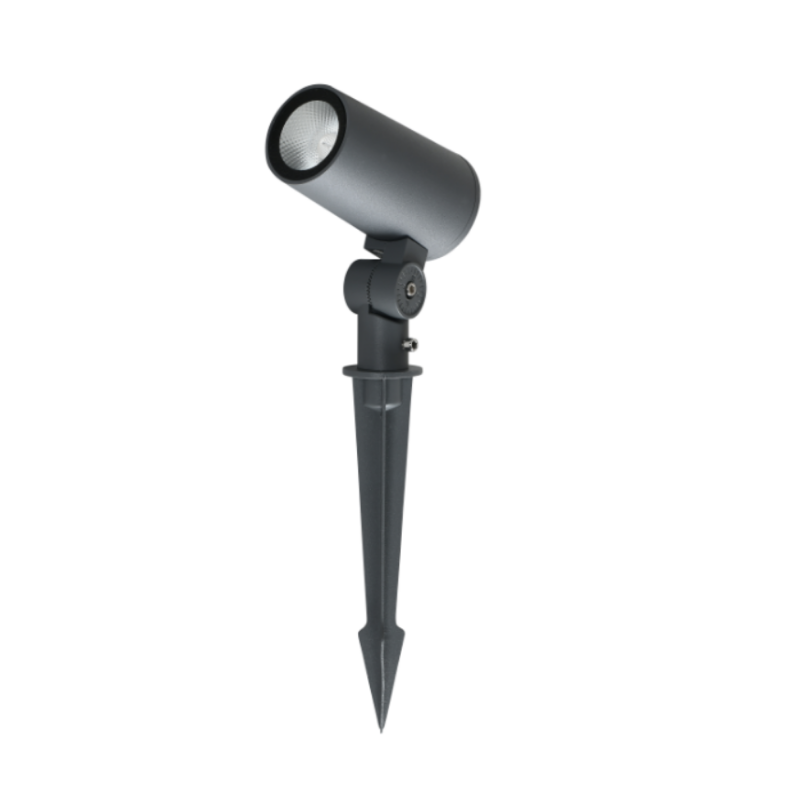
There’s a whisper in every plaza and promenade: the wrong fixture reveals itself slowly — glare, premature corrosion, a guest who doesn’t return. Developers compare two paths: commodity retail fixtures and architectural-grade LED path lighting. The difference isn’t only looks. It’s specification, resilience, and the story a hotel tells after dusk. For landscape teams that need low-profile, durable options that read like design intent, garden spike lights often become the structural inspiration that bridges hardscape and hospitality narrative.
Comparative lens: what we’re measuring
This is simple: we measure performance, longevity, and guest experience. Performance means lumen output, CCT (correlated color temperature) control, and proper beam angle to wash a pathway without blinding neighboring benches. Longevity looks at IP rating, thermal management, and replaceable drivers. Guest experience is less quantifiable but more telling — perceived safety, wayfinding clarity, and aesthetic cohesion with the brand. Compare like for like and the gap widens quickly.
Technical differences that reveal themselves over time
Retail fixtures are designed for quick sale. Architectural-grade units are engineered for site specifics. That shows up as tighter tolerances on beam control, robust heat sinks for consistent lumen maintenance, and higher CRI where color rendering matters for landscaping and façade finishes. Architectural fixtures also support serviceability: sealed compartments, replaceable optics, and standardized drivers that ease long-term maintenance. The cost differential? Upfront for sure — but lifecycle math flips the equation after a few seasons of operation.
Design, ambience, and the guest perception
Lighting here is narrative. A warm 2700K path, softly grazing native grasses, suggests care. A harsh cool-white glare suggests cut corners. Architectural-grade luminaires let designers specify CCT bands, control beam spreads, and coordinate with façade uplighting to create layered scenes. Retail lamps rarely offer that coordination; they’re stock solutions for parking lots and patios. At the High Line in New York City, integrated lighting design helped shape safe, intimate routes through dense urban fabric — an example developers study when they want pathways to feel like destinations rather than afterthoughts.
Operational realities — warranty, maintenance, and failure modes
Hotels run on predictability. A fixture that fails out of warranty during peak season costs more than a replacement unit: labor, guest impact, brand hit. Architectural-grade products typically carry longer warranties and clearer IP and IK specs, plus modular parts for on-site servicing. Retail fixtures may lack documented surge protection or driver interchangeability. The result? More returns to the rooftop ladder at 2 a.m. — once, twice, and then a pattern emerges.
Cost versus lifecycle: a practical equation
Don’t let the sticker price fool you. Unit cost is a single variable. TCO (total cost of ownership) includes energy consumption, failure rate, maintenance labor, and replacement frequency. Higher-efficiency LEDs and better thermal designs reduce lumen depreciation (L70) and cut energy and replacement budgets. For many developers, the breakeven appears within three to five years — sometimes sooner when labor rates are high or when product warranties transfer cleanly to property managers.
Where garden-led spike solutions fit in
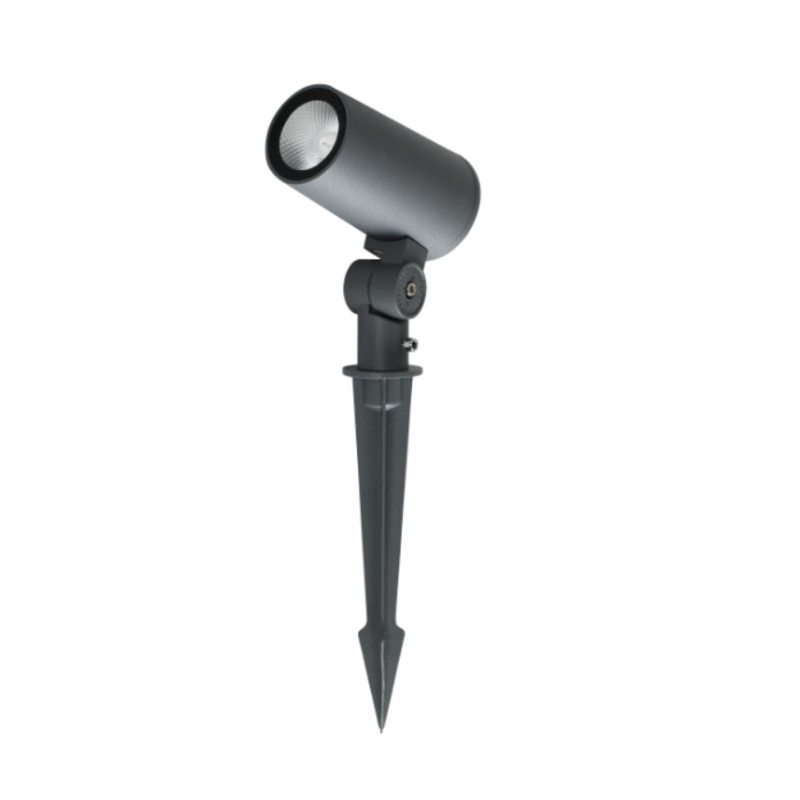
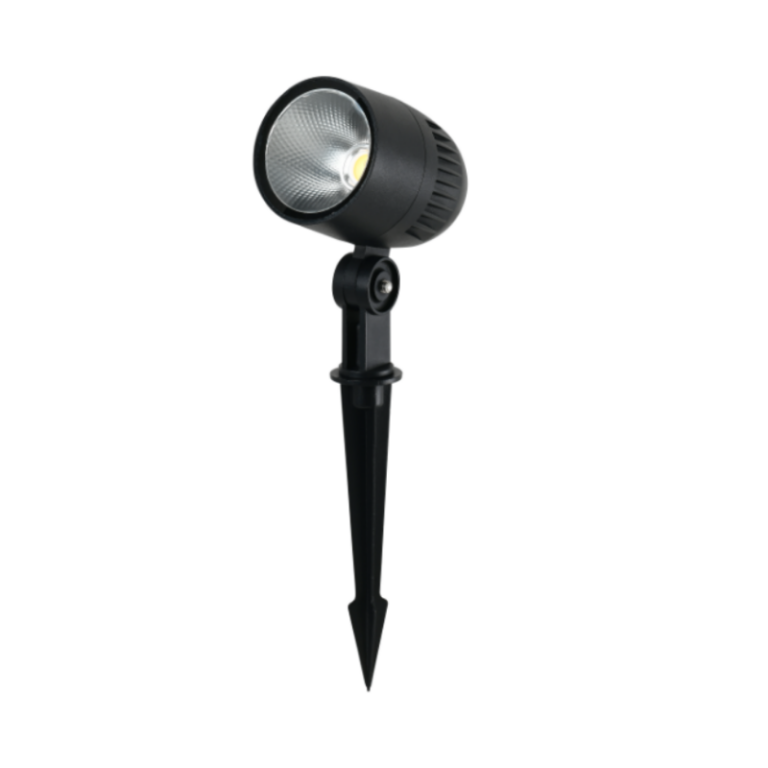
Spike luminaires—particularly those specified as architectural-grade—offer unobtrusive placement, adjustable aiming, and minimal visual clutter. They map easily to softscape edges and hardscape joints, delivering subtle wayfinding and accenting plant textures without dominating the design. If your scheme requires low-profile fixtures with serviceable drivers and controlled spill light, consider garden led spike lights. They’re practical, but more than that: they’re tactical elements in a layered lighting plan. —
Common specification mistakes to avoid
Many teams assume “LED” guarantees quality. It doesn’t. Three common missteps recur: under-specifying IP rating for coastal projects, neglecting surge protection on long runs, and failing to coordinate beam angles with planting growth projections. Another oversight: not testing first-article fixtures on the actual site at night. Mockups reveal glare issues and light trespass that CAD alone can’t predict. Plan a trial. You’ll learn faster than by arguing over photometrics on a spec sheet.
How to choose between retail and architectural options — a short checklist
Focus decision-making on measurable outcomes:
- Operational durability: warranty length, driver replaceability, IP/IK ratings.
- Optical performance: lumen maintenance (L70), beam control, CRI/CCT options.
- Serviceability: modular components, standardized drivers, surge protection.
Those metrics cut through marketing language. They let you compare apples to apples — or rather, fixtures to fixtures.
Advisory: three golden rules for selecting path lighting in luxury hospitality
1) Specify for context, not catalogues — require photometric reports tied to your final planting and paving plans. 2) Insist on lifecycle data — ask for projected lumen depreciation and real-world warranty claims history from similar installs. 3) Design for service — choose fixtures with replaceable drivers and documented IP ratings so future teams can maintain without invasive repairs.
When those rules guide procurement, the value of architectural-grade spike and path luminaires becomes clear: they protect the guest experience, reduce surprises, and preserve the design intent. In practice, that’s where a brand like Keyida fits — offering units that read as design instruments and behave as durable assets. —