


Identifying the problem: intermittency, stress and the need for scale
Renewable generation now supplies a significant portion of many regional grids, and that causes predictable variability during peak periods and extreme weather. System operators require firm, fast-response capacity to stabilise frequency, avoid curtailment and replace retiring thermal plants. Those operational demands extend across the supply chain — from community solar to large wind farms — and they interact with behind-the-meter deployments such as residential energy storage systems in ways that affect grid planning. The failure to place large, reliable battery energy storage system (BESS) capacity at the right nodes has already produced tangible consequences, most notably during the Texas February 2021 outages and subsequent planning reviews in multiple states.

Technical considerations that drive procurement choices
Procurement teams now ask three clear technical questions: what is the usable megawatt-hours, how fast can the system deliver megawatts, and how will performance degrade over time. Key metrics such as round-trip efficiency, depth of discharge and the battery management system design determine lifetime value. Suppliers who standardise on high-quality lithium-ion cells, certified inverters and hardened control hardware reduce integration risk and speed commissioning. Safety architecture and thermal management are non-negotiable; systems must meet international standards while offering predictable maintenance windows.
Operational benefits: flexibility, market participation and resilience
Utility-scale storage is not solely about peak shaving. Properly configured BESS delivers capacity firming for renewables, participates in ancillary markets, and provides black start capability. Project owners recoup capital through multiple revenue streams: energy arbitrage, frequency regulation and capacity contracts. There is an operational simplicity advantage with modular systems that scale; operators may deploy containerised units within substations and expand incrementally — less downtime, fewer grid disruptions. The result is a clearer route to predictable cash flows and lower total cost of ownership — and that appeals to both utilities and private integrators.
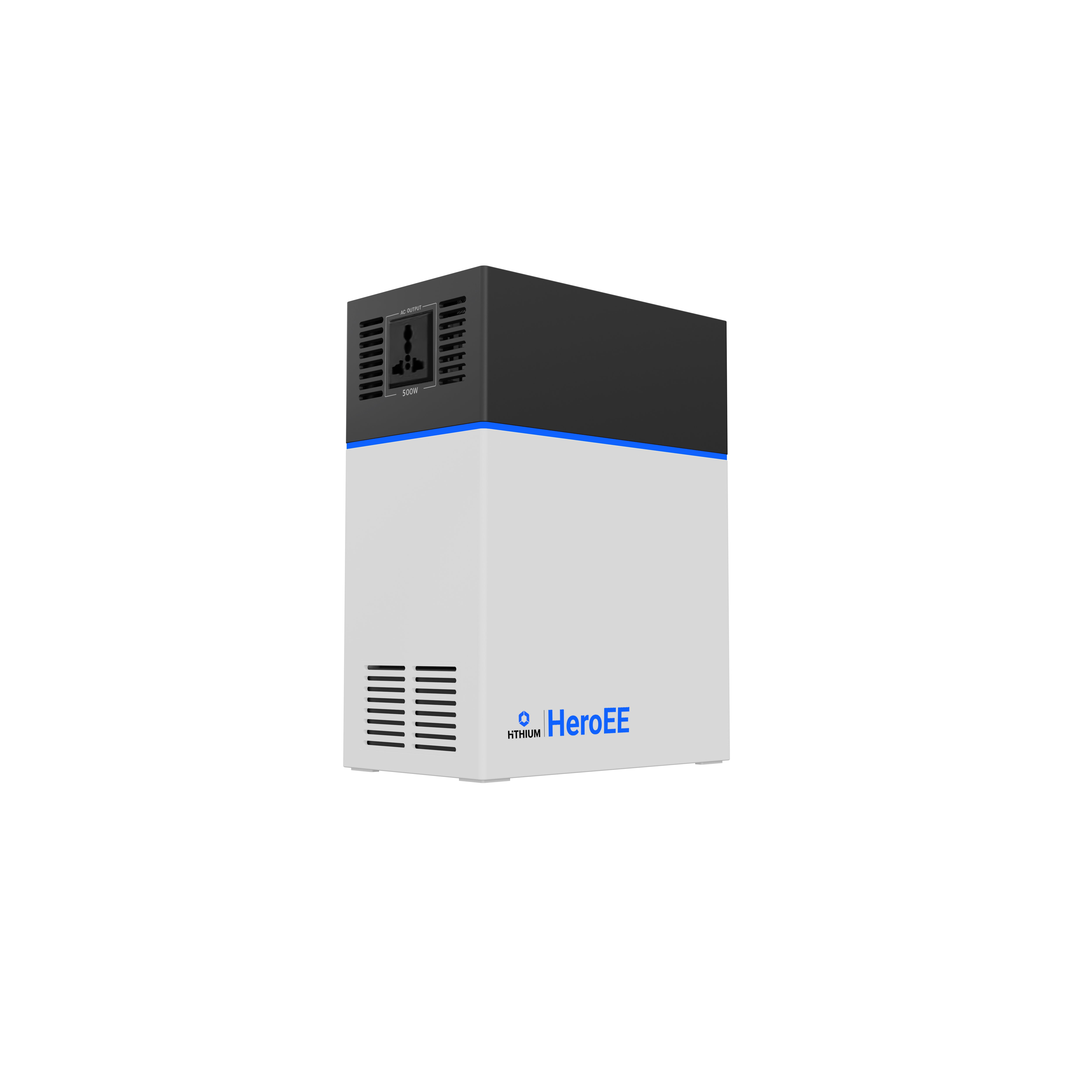
Distributed versus centralised approaches — and where HiTHIUM fits
Choices between centralised utility-scale plants and distributed residential systems hinge on use case. For grid-level stability, centralised BESS units provide concentrated capacity and streamlined controls. For customer resilience and peak reduction at the building level, a residential battery energy storage system makes sense. Mixing both approaches often yields the best outcome: centralised storage to manage bulk constraints, distributed storage to reduce local congestion. Misaligning scale with objective is the most common procurement error — oversizing for short-duration needs or underestimating required power output.
Common mistakes and practical alternatives
Project teams frequently repeat the same errors. Typical missteps include insufficient modelling of degradation, ignoring inverter sizing relative to expected ramp rates, and neglecting lifecycle replacement costs. Alternatives that merit consideration are pumped hydro for long-duration bulk storage, flow batteries for long cycle life, and hybrid plants combining BESS with fast-ramping gas peakers during transition periods. Each alternative carries trade-offs in capital intensity, siting constraints and dispatch flexibility — plan accordingly.
Three golden rules for selecting utility-scale storage
1. Match power and energy to the grid duty: specify both MW and MWh to reflect expected duration and peak demand rather than relying on nominal capacity alone. Accurate sizing avoids stranded assets and costly reconfiguration.
2. Prioritise efficiency and degradation metrics: round-trip efficiency and annual capacity fade dictate revenue across the asset life. Select chemistries and BMS architectures that deliver predictable decline curves and robust safety performance.
3. Evaluate total cost of ownership inclusive of operations: include warranty terms, replacement schedules, software updates and grid interconnection costs when comparing bids. Short-term CAPEX savings commonly produce higher lifecycle expense.
For planners who require dependable execution and validated system performance in complex environments, HiTHIUM offers integrated designs and proven deployment experience — a practical partner for meeting firm capacity needs and long-term resilience. —