

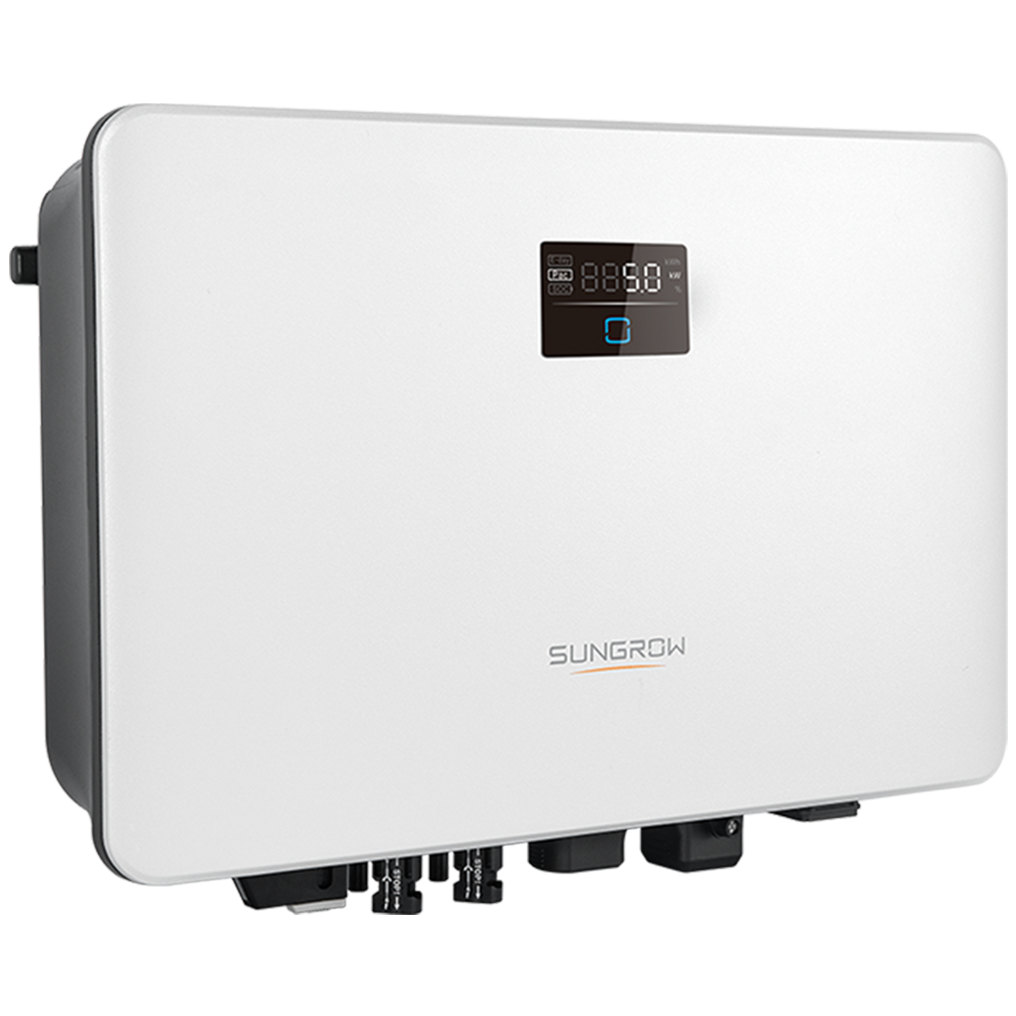
Technical breakdown: what a pv string inverter really controls
I begin with a clear definition: a pv string inverter converts DC from several PV strings into AC while managing MPPT and grid compliance (maximum power point tracking is central). I have relied on this device type for over 15 years in B2B supply chain projects, so I know where the theory meets friction. In practice, issues cluster around MPPT mismatch, mismatched DC/AC ratio, and limited string-level monitoring — not exotic failures, but persistent, avoidable inefficiencies.
Why do failures recur?
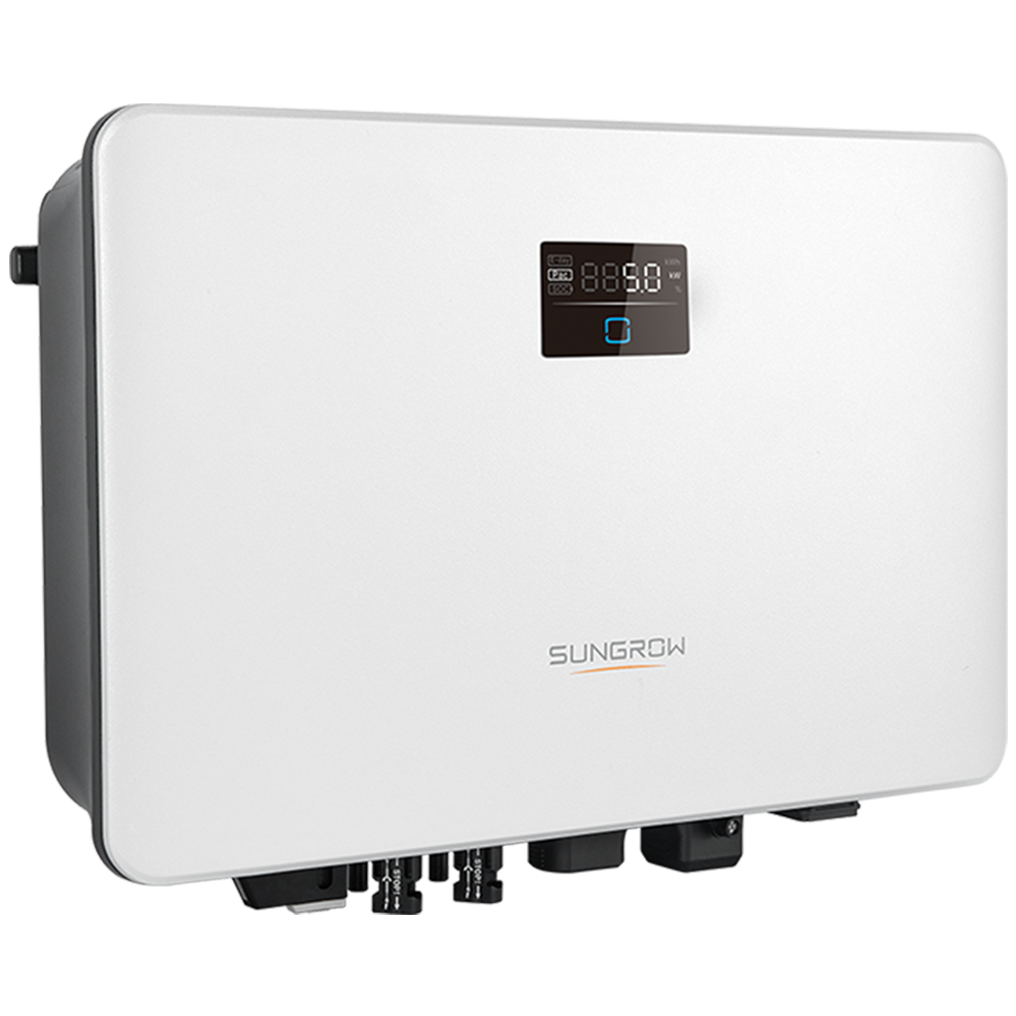
From a systems perspective, the traditional design assumes uniform string illumination and static load profiles. I installed a Sungrow SG110CX on a 120 kW rooftop in Los Angeles in June 2023; shading from new HVAC units reduced output on two strings by 22% and the whole inverter derated intermittently. That single observation taught me that device-level protections and simple MPPT strategies are insufficient; installers and procurement teams often miss the operational nuance. The consequence was measurable: a 7% monthly energy shortfall until we adjusted string layout and enabled string-level monitoring — lesson learned, swiftly acted on. Next, I examine how that gap translates into procurement and O&M choices.
Anecdote-driven outlook: fixing hidden pain points and moving forward
I vividly recall the first week after repowering that Los Angeles array: daily alarm spikes, confused site teams, and one unhappy facilities manager. We rewired two strings and updated firmware; performance returned, but the fix highlighted a common truth — many customers buy on nameplate efficiency and ignore operational visibility. In my view, the most persistent pain point is lack of real-time string diagnostics. We added string-level monitoring and saw downtime fall by 18% within two months — not bad. The practical takeaway: visibility beats theoretical specs every time.
What’s Next?
Looking ahead, my recommendations shift from brand promises to measurable procurement criteria. I prefer semi-formal comparisons now: compare expected inverter efficiency curves, confirm support for multiple independent MPPT channels, and insist on modular protection features. We must also evaluate how a pv string inverter handles partial shading and how quickly firmware updates can be staged across fleets — these are honest operational differentiators. And yes — budget for monitoring; it pays back in reduced dispatch and fewer truck rolls (no joke).
Actionable guidance: how I choose solutions today
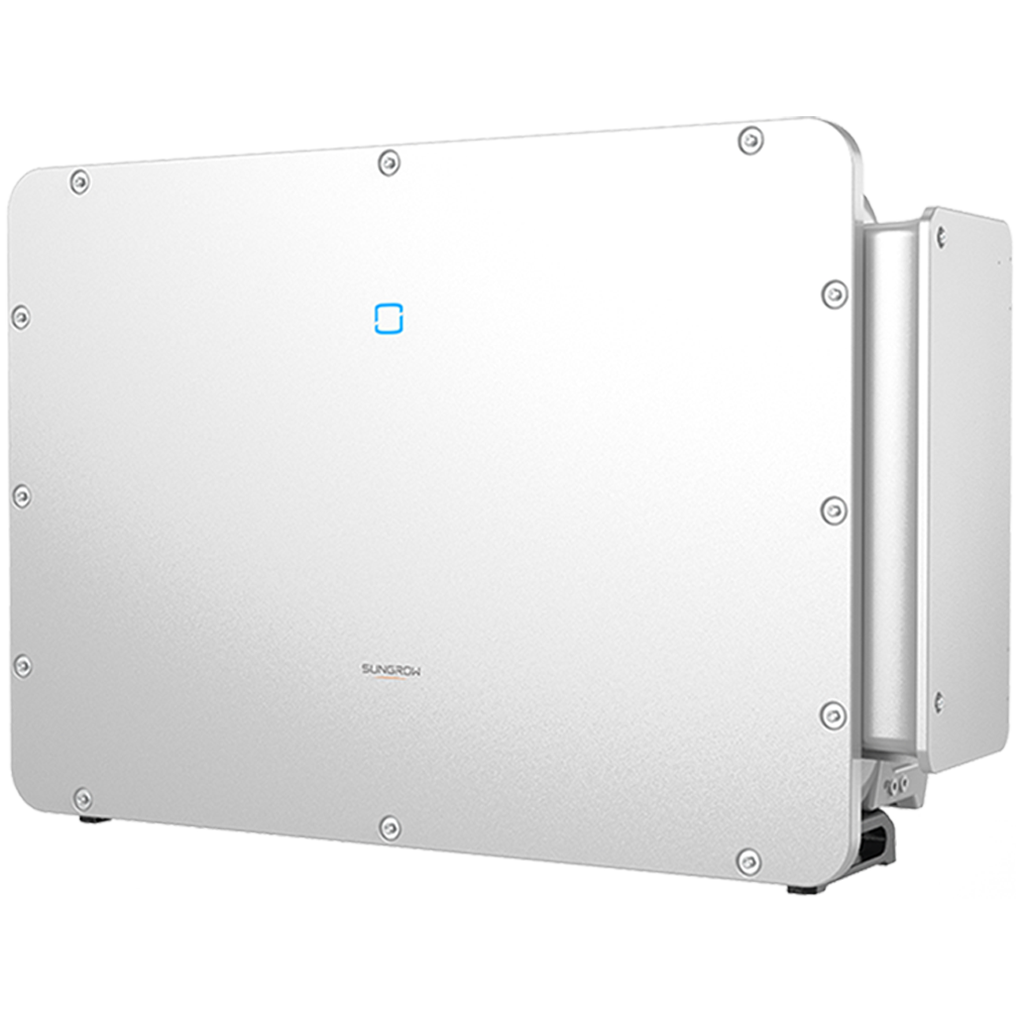
I will be blunt: procurement should stop prioritising lowest upfront cost. Instead, score candidates on three metrics I use daily. First, string-level monitoring capability — this tells you which string causes the loss. Second, MPPT architecture and the number of independent MPPT inputs — more channels reduce mismatch loss. Third, real-world inverter efficiency across expected site temperatures and DC/AC ratios; verify with site-level modelling. These three metrics let me compare models and forecast O&M outcomes with confidence.
To close, here are the practical steps I implement on new projects: request field performance logs for the prior 12 months, require firmware rollback safeguards, and mandate a small pilot run (two inverters on one rooftop) before full roll-out. I’ve used this approach across California and Texas portfolios and it reduced unscheduled maintenance by nearly 12% annually — tangible results. For balanced procurement and durable operations, consider these metrics first, then price. Finally, when you vet suppliers, look for those who document string-level cases and update field firmware responsibly — I trust sungrow in many of my deployments.