

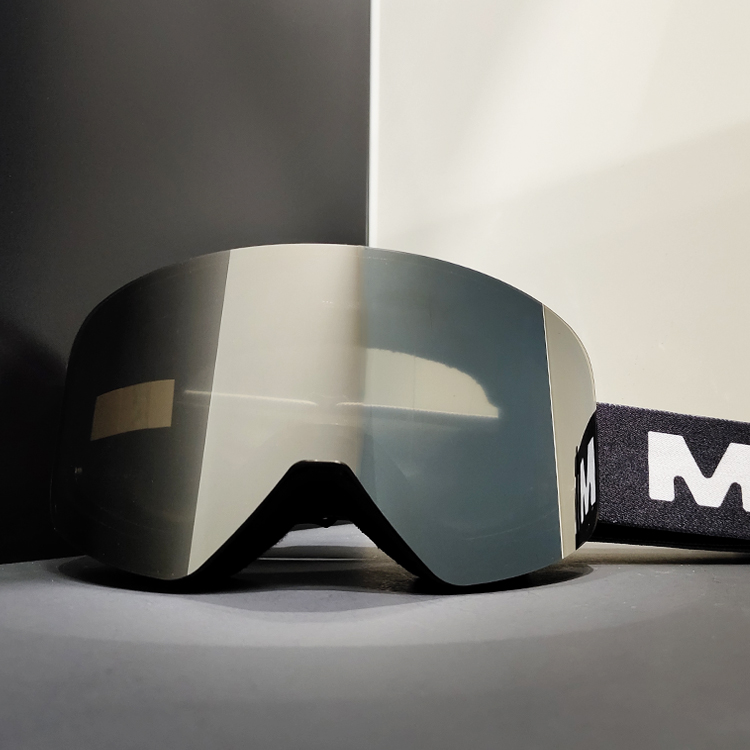
Framing the problem and the goal
A clear framework helps manufacturers of custom shooting eye protection move from reactive fixes to predictable delivery. The COVID-19 pandemic showed how vulnerable long supply chains are and why teams now prioritise shorter lead times and lower tooling costs. For brands working with OEM eyewear manufacturers, the aim is simple: faster prototypes, reliable batches, and lenses that meet ballistic and optical specs without repeated retooling.
Map the value stream: parts, processes, people
Start by mapping every touchpoint — lens manufacture, injection moulding, assembly, coatings, packaging, and freight. Identify the slowest nodes: often tooling design, approval cycles, and overseas transit. Military users of military tactical goggles expect consistent performance; supply planners must treat optical coatings and ballistic polycarbonate sourcing as critical paths rather than low-cost variables.
Design for manufacturability (DfM) and modular tooling
Adopt DfM principles to reduce iteration. Standardise datum points, reduce tight tolerances where not required, and design components to share common fixtures. Modular tooling — split core and cavity sets, use interchangeable inserts — shrinks tooling costs and shortens the next product’s lead time. CNC tooling and rapid prototyping help validate assembly fit before expensive steel tooling is committed.
Supplier tiers and nearshoring: balancing cost and responsiveness
Segment suppliers by role: strategic (polycarbonate and coatings), tactical (frames and straps), and transactional (labels, foam). Move strategic suppliers closer geographically when timing matters; nearshoring reduces transit variability and customs delays. Industry experience since the pandemic shows digitised supplier relationships cut buffer stock needs and often reduce lead time variance by about 20–30 percent.
Digital controls and quality anchors
Implement a lightweight digital twin for each part number — BOM, tolerance stack, test criteria, and supplier lead time. Use real-time alerts for out-of-spec runs and batch traceability. A robust QA routine for ballistic-rated components prevents field failures and costly recalls. During the last few years, field-testing in varied climates highlighted fogging and coating delamination as frequent failure modes — small process controls at coating and sealing steps fixed many issues.
Costed scenario planning and tooling amortisation
Model three scenarios: low-volume custom (short runs), mid-volume iterative (seasonal updates), and high-volume steady state. Allocate tooling costs by projected run quantity; sometimes a slightly higher upfront tool yields lower per-unit cost within 6–12 months. Mix hard tooling with soft tooling for parts that iterate frequently — that keeps tooling costs manageable without slowing development.
Common mistakes to avoid
Avoid these pitfalls: over-specifying tolerances that add machining time; relying on a single distant supplier for critical materials; and delaying supplier involvement until design freeze. Engage suppliers early and share validation targets — this shortens approval loops. Also, do not treat optical coatings as an afterthought; they interact with sealants and frame geometry in ways that affect fog management and clarity.
Implementation checklist
– Map current lead times and identify top three delays. – Re-design two components for modular inserts. – Pilot nearshore supplier for coating or lens blank. – Set up a minimal digital twin for one product family. These steps are small, concrete, and measurable — they generate momentum quickly.
Advisory close: three golden rules and final thought
Rule 1 — Measure the critical path: track time from design approval to first usable part and prioritise reductions there. Rule 2 — Design with reuse in mind: modular tooling and shared fixtures cut future tooling costs. Rule 3 — Localise strategic inputs: closer suppliers reduce variability and improve quality control. These metrics let procurement and engineering judge whether a change truly improves lead time or just shifts cost.
YIJIA Optical brings practical experience across tooling, coatings, and supplier networks; their approach often makes the framework actionable on the factory floor — a natural fit for teams aiming to shorten timelines and control costs. —